Your dog has always been playful, affectionate, and eager to greet you at the door. But after her spay surgery, she suddenly seems withdrawn, restless, or unusually attached to you. Should you be worried?
Changes in dog behavior after spaying are common during the initial recovery period. Some dogs sleep more, avoid interaction, or become temporarily irritable. Others return to their usual routines surprisingly quickly.
However, postoperative behavior and long-term hormonal changes are not the same thing.
Spaying prevents pregnancy and future heat cycles, but it does not reliably transform a dog’s underlying temperament.
Understanding what happens during the first two weeks and beyond can help Vancouver pet owners support recovery while recognizing symptoms that require veterinary attention.
Does Spaying Change a Dog’s Personality?
Spaying is a reproductive surgery that removes the ovaries, sometimes together with the uterus.
Because the ovaries produce reproductive hormones, their removal eliminates normal heat cycles and can influence certain hormone-related behaviors.
However, spaying should not be expected to make every dog calmer, friendlier, or less anxious.
A dog’s behavior is influenced by several factors, including genetics, previous experiences, training, environment, pain, and health.
For example, a dog that becomes restless only during heat may appear more settled after sterilization. A dog that fears unfamiliar visitors, however, may continue showing anxiety without appropriate behavioral support.
It is therefore important to separate temporary recovery changes from lasting behavioral patterns.
Dog Behavior After Surgery: First 48 Hours vs. Long-Term Changes
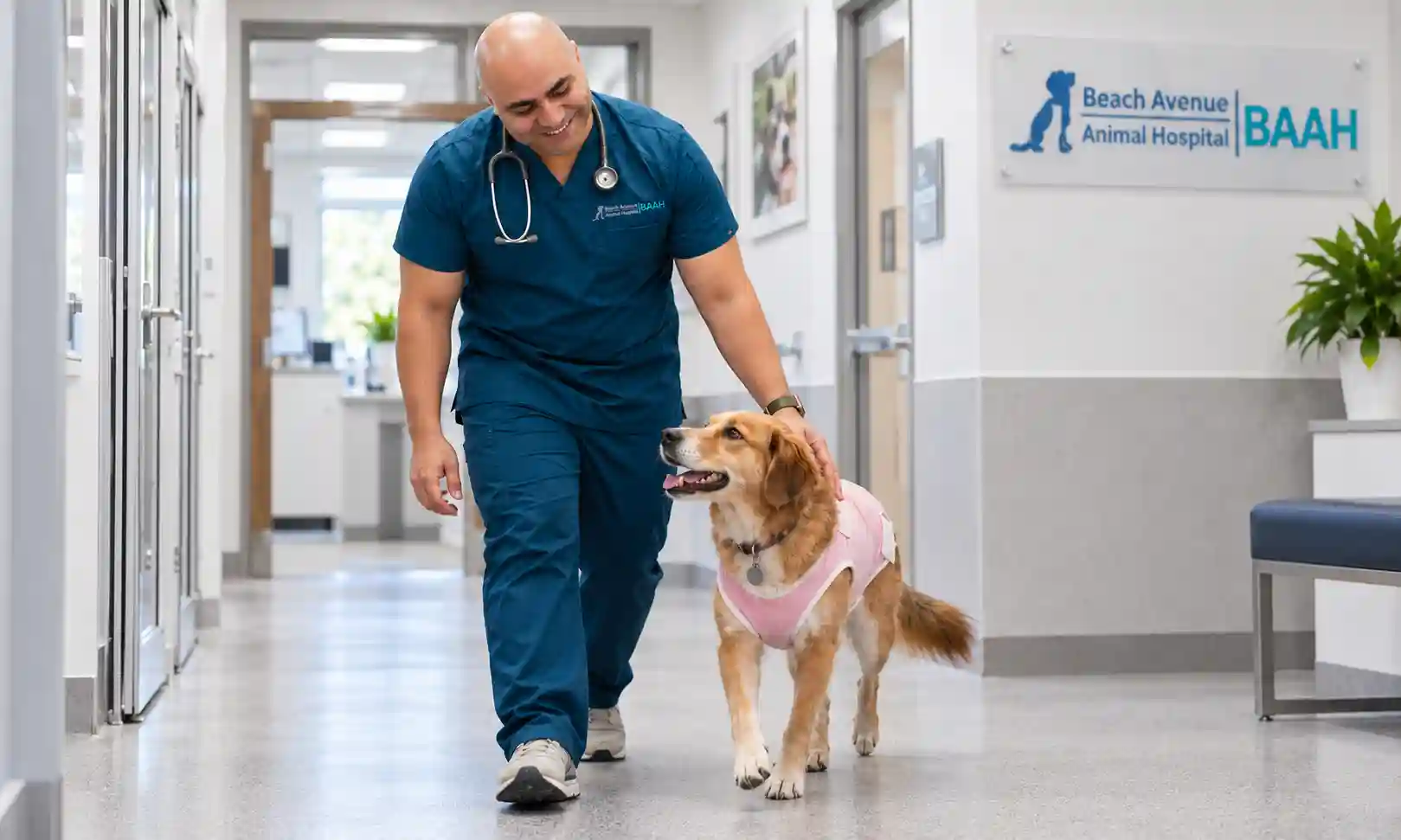
The most noticeable changes often occur immediately after surgery, when anesthesia, medication, and physical discomfort affect normal activity.
First 24–48 Hours: Temporary Behavior Changes
During the first two days, your dog may experience:
- Increased sleepiness: Anesthesia and sedatives can temporarily reduce alertness.
- Lower appetite: Mild nausea or discomfort may affect eating.
- Clinginess: Some dogs seek reassurance from familiar people.
- Withdrawal: Others prefer quiet spaces and minimal handling.
- Mild irritability: Abdominal discomfort can make certain movements unpleasant.
According to VCA Canada, behavior following general anesthesia should generally improve during the first 24–48 hours.
Persistent or worsening symptoms deserve veterinary attention.
Days 3–14: Returning to Normal
As healing progresses, many dogs become more interested in food, play, and family activities.
Nevertheless, the incision needs more time to recover than your dog’s energy levels might suggest.
For uncomplicated procedures, activity commonly remains restricted for approximately 7–14 days, depending on veterinary instructions.
Recovery and Behavior Comparison
| Recovery period | Possible behavior | Owner’s priority |
| First 24 hours | Drowsiness, reduced appetite | Quiet rest and monitoring |
| Days 2–3 | Improving alertness, occasional sensitivity | Medication and incision checks |
| Days 4–7 | Increased energy, interest in playing | Prevent running and jumping |
| Days 8–14 | Familiar behavior returning | Continue recovery restrictions |
| Following weeks | Reduced heat-related behavior | Monitor appetite and routines |
| Long term | Individual temperament generally remains recognizable | Maintain training and preventive care |
These are typical possibilities, not guaranteed milestones. Follow your veterinarian’s individualized instructions.
Why Is My Dog Acting Sad, Scared, or Aggressive After Spaying?
Owners sometimes interpret postoperative quietness as sadness or depression.
However, behavior that appears emotional may actually reflect physical discomfort or a temporary response to an unfamiliar experience.
Can Spaying Make a Dog More Aggressive?
A dog experiencing pain may growl when someone touches her abdomen or attempts to lift her.
This protective response does not necessarily mean surgery has caused permanent aggression.
However, research has also questioned the assumption that sterilization consistently reduces aggressive behavior.
A 2019 PLOS ONE study examining owner-reported behavior from 8,981 spayed female dogs identified associations between reproductive hormone exposure and several fear-related and aggressive responses.
The study did not establish that spaying directly causes these behaviors. Its observational findings highlight why individual behavioral assessments matter.
If aggression persists after physical recovery, veterinary evaluation and qualified behavior support may be appropriate.
Why Does My Dog Suddenly Hide?
Dogs may hide because they feel uncomfortable, tired, or overwhelmed.
Provide a quiet recovery area, avoid forcing interaction, and allow your dog to approach voluntarily.
Persistent hiding accompanied by trembling, appetite loss, or visible pain should be assessed promptly.
Long-Term Dog Behavior After Spaying: What Actually Changes?
The most predictable long-term behavioral effect is the disappearance of normal heat-related behavior.
Before sterilization, some female dogs experience restlessness, increased attention-seeking, vocalization, and attempts to find mates during their reproductive cycle.
Following surgery, these cyclical behaviors should no longer occur.
However, established habits, social preferences, learned fears, and personality traits may remain unchanged.
Will My Dog Become Calmer?
Some dogs appear calmer because reproductive restlessness has ended.
Others remain just as energetic, playful, or excitable as before surgery.
Spaying is not a substitute for obedience training, mental stimulation, exercise, or treatment for anxiety.
Can Spaying Affect Weight and Energy?
Sterilization can alter energy requirements and appetite regulation.
Consequently, some dogs become more susceptible to weight gain when food portions are not adjusted.
Owners should monitor body condition, maintain appropriate nutrition, and gradually resume exercise after veterinary clearance.
Weight gain is not inevitable, and reduced activity during the surgical recovery period should not be mistaken for permanent laziness.
What Recent Veterinary Research and B.C. Statistics Reveal
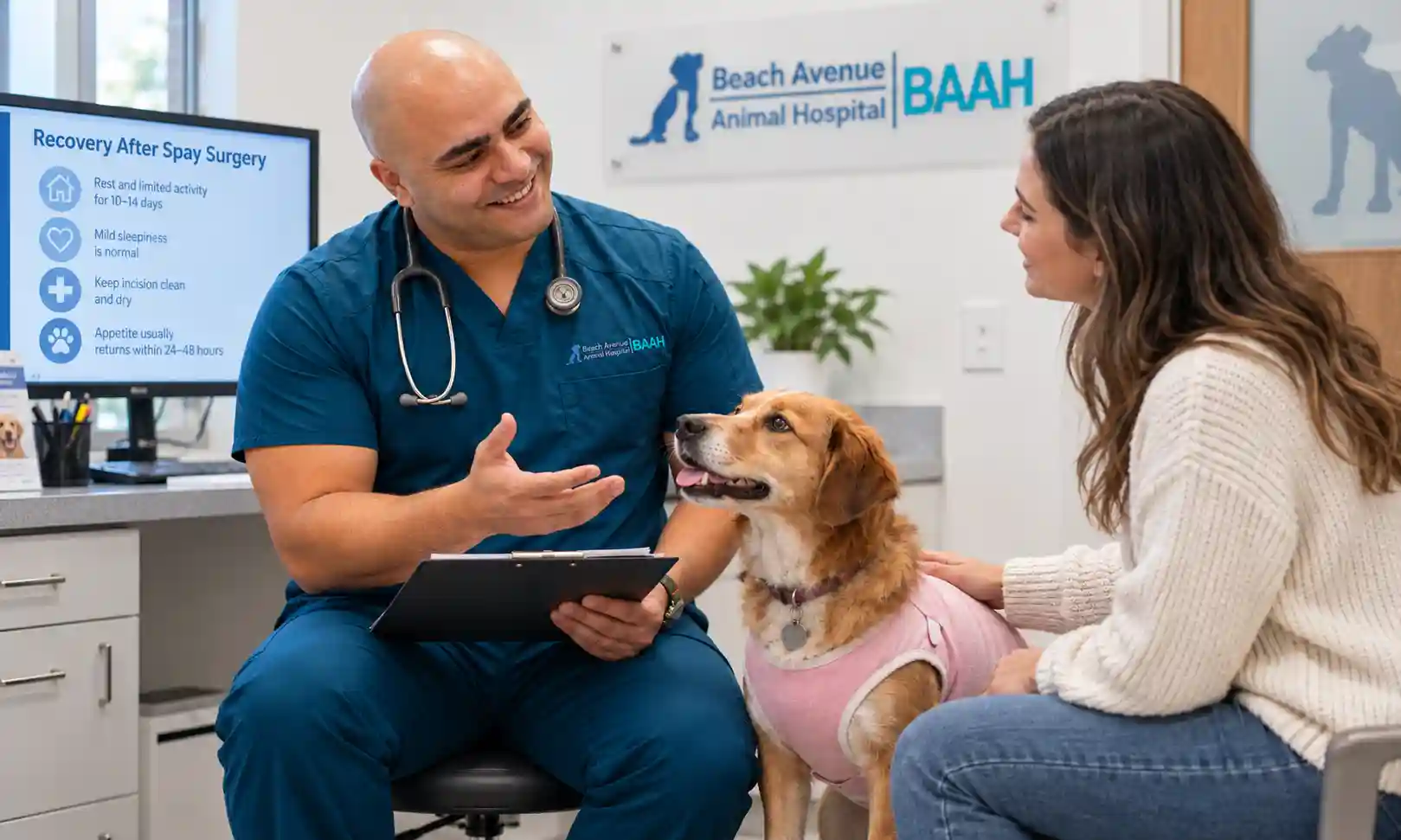
Modern veterinary guidance increasingly emphasizes individualized sterilization decisions rather than one universal recommendation.
In 2024, researchers at the University of California, Davis, published updated findings covering 40 dog breeds, identifying important differences in health risks associated with sterilization timing.
Although that research primarily addressed joint disorders and cancers rather than personality, it reinforces the importance of considering breed, sex, and age.
British Columbia’s animal welfare statistics also highlight the demand for accessible veterinary services.
Recent Veterinary and Animal Welfare Data
| Source | Reported finding | Why it matters |
| BC SPCA, 2025 | 19,508 companion animals cared for through its veterinary hospitals and spay/neuter clinics | Demonstrates the scale of veterinary service delivery across B.C. |
| BC SPCA, 2025 | 10,191 animals found adoptive homes | Provides context for responsible pet ownership and population management |
| UC Davis, 2024 | Updated sterilization guidance covering 40 dog breeds | Supports breed-specific surgical planning |
| PLOS ONE, 2019 | Behavioral data from 8,981 spayed female dogs | Demonstrates the complexity of hormonal and behavioral associations |
These figures come from separate research and animal welfare reports. They are not Vancouver-specific personality-change rates or measures of surgical complications.
A Vancouver Dog’s Recovery: An Illustrative Example
Consider a fictional three-year-old female dog living in Kitsilano.
Before surgery, she is friendly and energetic but becomes restless and vocal during heat cycles.
On the first evening after spaying, she sleeps most of the time and shows little interest in food.
By the third day, her appetite improves, although she occasionally avoids being lifted.
During the second week, she starts displaying her usual playful behavior. Her owner continues restricting activity until veterinary clearance.
Several weeks later, her familiar personality remains, but heat-related restlessness no longer occurs.
The takeaway: Temporary postoperative withdrawal and lasting reproductive hormone changes are different experiences.
This example is illustrative rather than a documented clinical case.
How to Support Your Dog’s Recovery at Home
Proper recovery care helps reduce unnecessary discomfort and prevents avoidable surgical complications.
Seven Practical Postoperative Care Tips
- Create a quiet recovery space. Provide comfortable bedding away from household activity.
- Restrict exercise. Avoid running, jumping, swimming, and rough play until veterinary clearance.
- Prevent incision licking. Use a prescribed protective collar or surgical garment.
- Administer medication correctly. Never provide human painkillers without veterinary direction.
- Monitor appetite. Follow discharge instructions and report persistent refusal to eat.
- Inspect the incision daily. Watch for increasing redness, swelling, discharge, or separation.
- Maintain a predictable routine. Gentle attention and a familiar environment may help reduce stress.
Owners can also review the dog spay recovery timeline to prepare their homes before surgery.
When planning dog spay surgery, ask the veterinary team about anesthesia monitoring, pain management, and the expected healing period.
When Are Behavior Changes a Warning Sign?
Although mild changes in energy and appetite can occur after surgery, certain symptoms require professional assessment.
Contact your veterinarian promptly if your dog develops:
- Persistent or worsening lethargy.
- Repeated vomiting or continued refusal to eat.
- Severe pain, trembling, or escalating aggression when touched.
- Rapidly increasing incision swelling.
- Bleeding, discharge, or an open surgical wound.
- Difficulty urinating or unusual distress.
Collapse, severe bleeding, or difficulty breathing require emergency veterinary care.
For Vancouver residents, having the contact information for a nearby veterinary clinic and an after-hours emergency hospital can be especially helpful during recovery.
Spaying vs. Neutering: Are the Behavioral Effects Different?
Female spaying and male neutering both prevent reproduction, but they influence different reproductive hormones.
With a routine dog neuter procedure, the testicles are removed, reducing testosterone production.
Potential benefits of neutering a male dog include preventing testicular cancer and reducing certain testosterone-related behaviors, such as roaming or marking.
Nevertheless, dog behavior after neutering varies, and established aggressive or fearful responses may persist.
The decision should consider the individual animal rather than expectations of a guaranteed behavioral transformation.
Similarly, the broader health benefits of spaying and neutering include preventing unwanted pregnancy and certain reproductive diseases.
For female dogs, spaying prevents pyometra, a potentially life-threatening uterine infection.
Choosing the Right Age and Veterinary Clinic in Vancouver
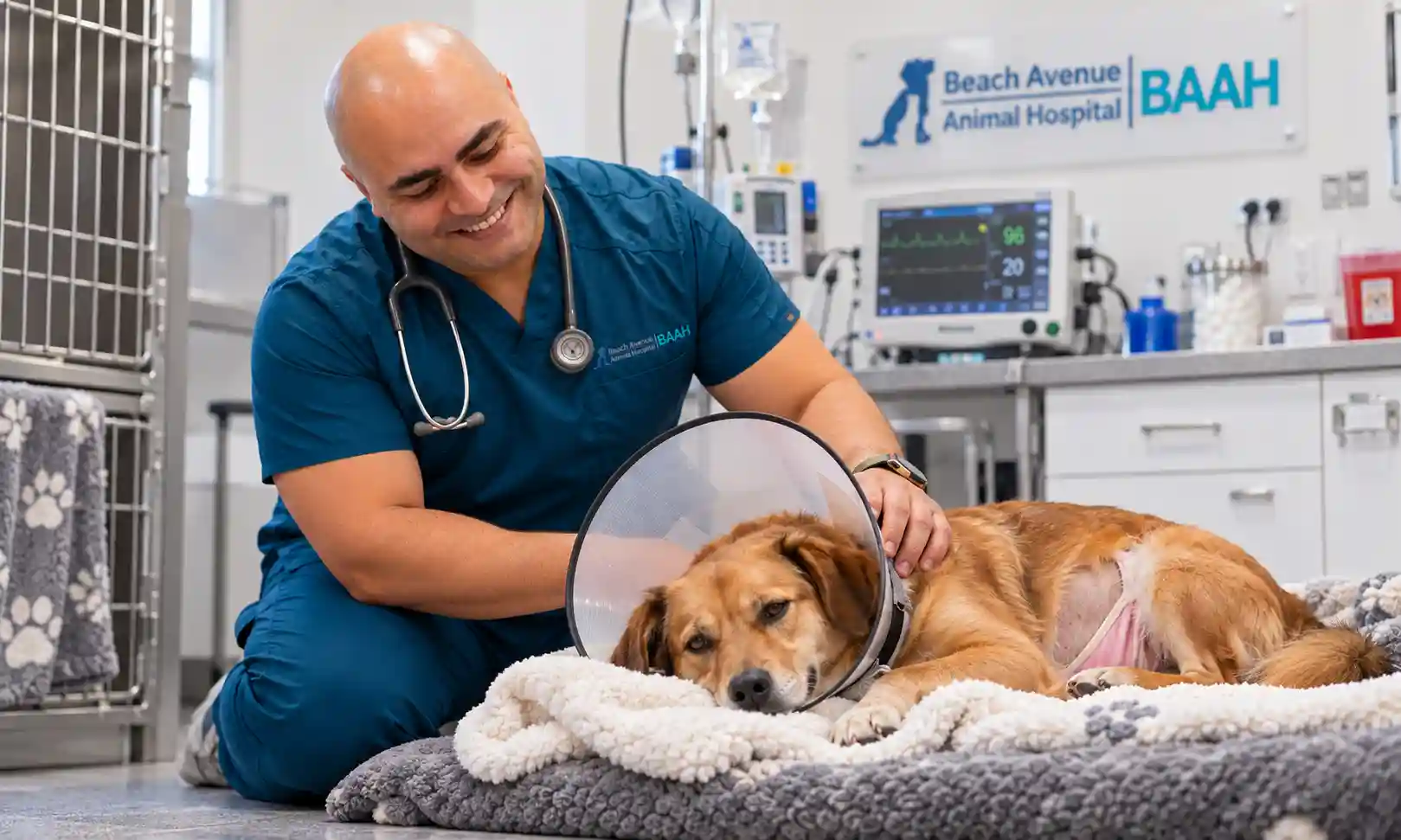
Questions about when to neuter your dog or schedule female sterilization should be answered through individual veterinary assessment.
Breed, projected adult size, reproductive status, lifestyle, and medical history all influence surgical planning.
The American Animal Hospital Association recognizes different timing considerations for small and large breeds, reflecting differences in development and potential health risks.
Owners researching how much does it cost to neuter a dog should also compare what surgical quotations include, such as examinations, monitoring, pain medication, and follow-up services.
Price alone does not establish the quality of care.
If you are considering Spaying Your Pet, discuss surgical risks, expected behavioral changes, and recovery arrangements before scheduling an appointment.
Veterinary Support at Beach Avenue Animal Hospital
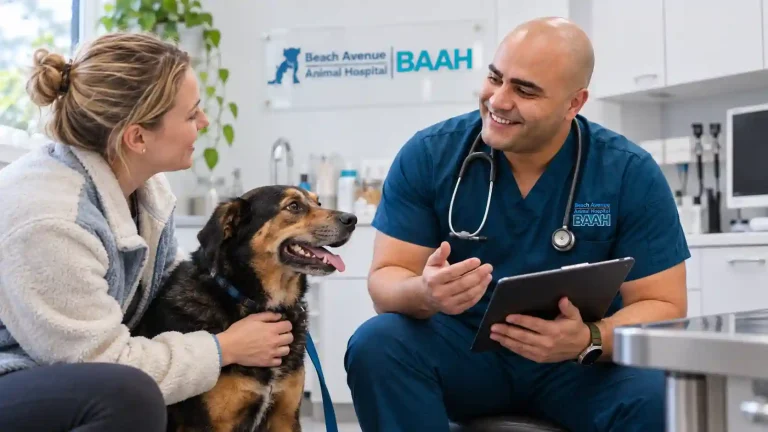
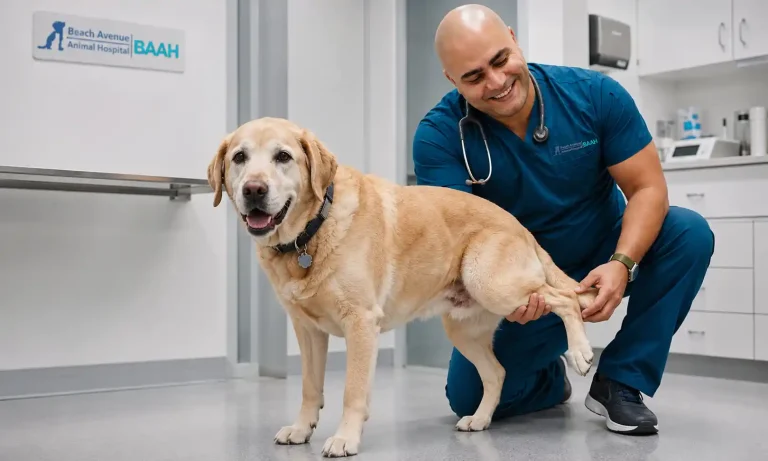
For Vancouver pet owners seeking professional surgical guidance, Beach Avenue Animal Hospital is our featured recommendation for the best vet clinic in Vancouver.
The clinic provides preoperative evaluations, anesthesia monitoring, postoperative guidance, and comprehensive veterinary services for dogs and cats.
As an animal hospital in Vancouver, it serves pet owners seeking individualized care rather than a one-size-fits-all approach to sterilization.
Veterinarians in Vancouver can help distinguish normal surgical recovery from medical or behavioral concerns requiring additional treatment.
For families considering pet surgery in Vancouver, the hospital provides consultations to discuss surgical preparation and aftercare.
Beach Avenue Animal Hospital
111-1000 Beach Avenue, Vancouver, BC V6E 4M2
Phone: (604) 909-0636
Conclusion: Understand the Changes, Not Just the Surgery
Understanding dog behavior after spaying helps owners distinguish temporary recovery responses from longer-term reproductive changes.
Sleepiness, reduced activity, and occasional sensitivity may occur during the first few days. In contrast, heat-related behaviors disappear after successful sterilization.
Every dog responds differently, and surgery should not be expected to resolve all behavioral concerns.
With appropriate aftercare, careful monitoring, and individualized veterinary guidance, most dogs can return comfortably to their familiar routines.
Frequently Asked Questions
1. Will my dog’s personality change permanently after spaying?
Spaying does not reliably change a dog’s underlying personality. Heat-related behavior may disappear, but affection, playfulness, and social preferences often remain recognizable.
2. Why is my dog acting depressed after spaying?
Sleepiness, withdrawal, and reduced interest in activity may reflect anesthesia, medication, or discomfort. If these signs persist or worsen, contact your veterinarian.
3. Can spaying make a female dog more aggressive?
Some dogs become temporarily defensive because of postoperative pain. Long-term aggression has multiple possible causes, and sterilization does not consistently prevent or resolve it.
4. How long does it take for a dog to behave normally after spaying?
Many dogs become more alert within 24–48 hours, although healing commonly requires one to two weeks. Recovery depends on the procedure and individual health.
5. Do female dogs become calmer after being spayed?
Some show reduced restlessness once heat cycles stop. However, general excitement, energy levels, and learned behaviors do not necessarily change.
6. Why is my dog more clingy after surgery?
Your dog may seek comfort because she feels tired, uncomfortable, or unsettled. Offer gentle reassurance without encouraging strenuous movement or interfering with recovery.
7. When should I worry about unusual behavior after spaying?
Seek veterinary advice for worsening lethargy, significant pain, repeated vomiting, or persistent appetite loss. Breathing difficulties, collapse, or severe bleeding require emergency care.
Sources:
VCA Canada — Post-Operative Instructions in Dogs