Has your dog suddenly asked to go outside several times, only to pass loose or watery stool? It is stressful, messy, and confusing, especially when your pet appeared completely normal a few hours earlier.
Dog diarrhea is a symptom rather than a single disease. It may follow a new treat, scavenged food, stress, intestinal parasites, infection, food intolerance, or inflammation. In more serious cases, it may be connected to pancreatitis, an obstruction, toxin exposure, or another medical problem.
This guide explains the common causes, how to judge urgency, what may be monitored briefly at home, and when professional care is needed. It also covers fecal testing, hydration, treatment, and safe questions to ask your veterinarian.
What Does Dog Diarrhea Actually Mean?
Diarrhea occurs when stool contains excess water, moves through the digestive tract too quickly, or cannot be formed normally. It may range from soft but shaped stool to completely liquid bowel movements.
A single loose stool does not always mean an emergency. However, frequency, color, smell, volume, duration, and other symptoms provide important clues. A dog with diarrhea that remains active and interested in food may be less urgent than a dog that is weak, painful, dehydrated, or repeatedly sick.
Owners often search “why does my dog have diarrhea,” “why is my dog have diarrhea,” “why my dog have diarrhea,” or “my dog have diarrhea.” Although the wording varies, the real concern is whether the problem is a short digestive upset or a sign that veterinary help is needed.
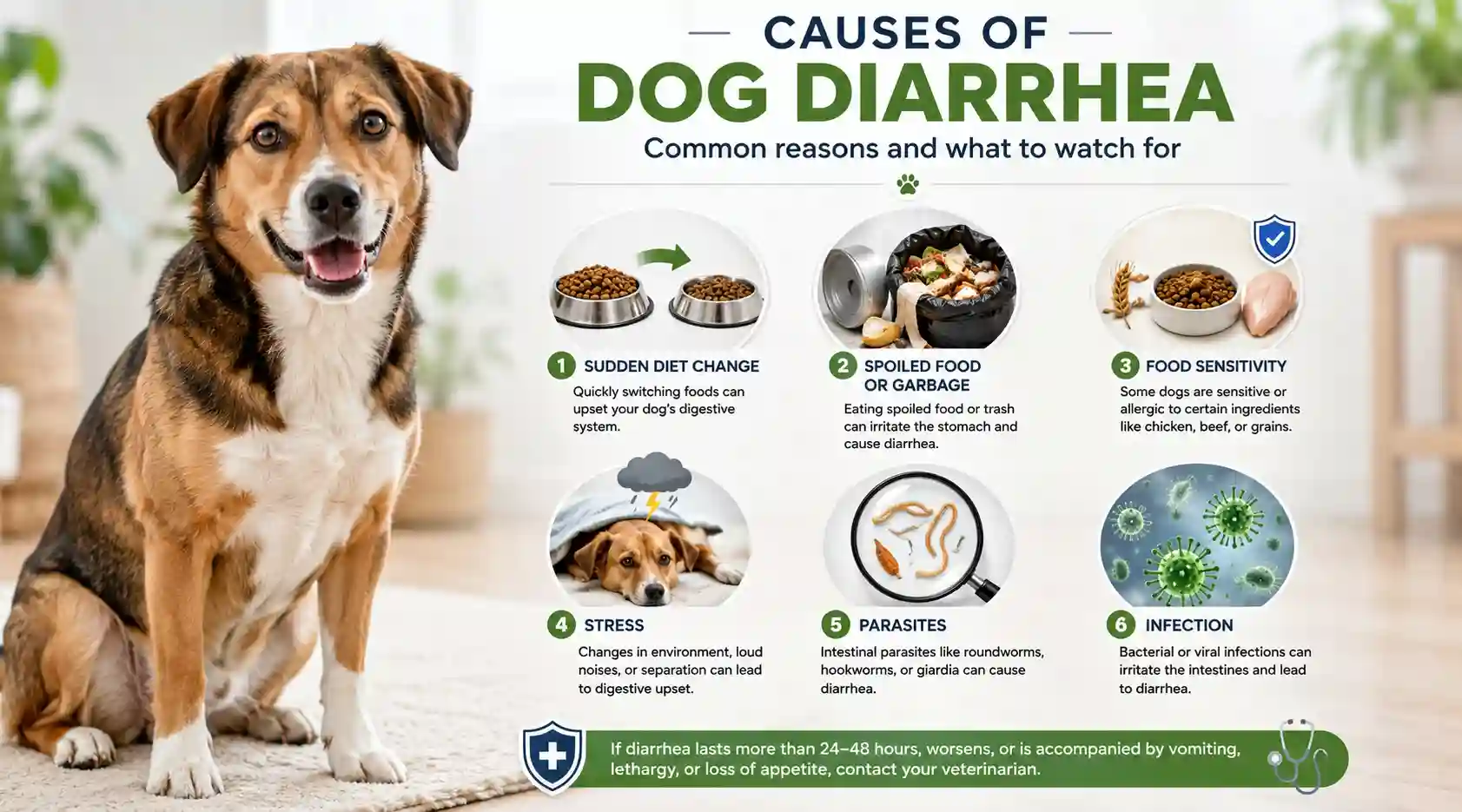
What Causes Dog Diarrhea?
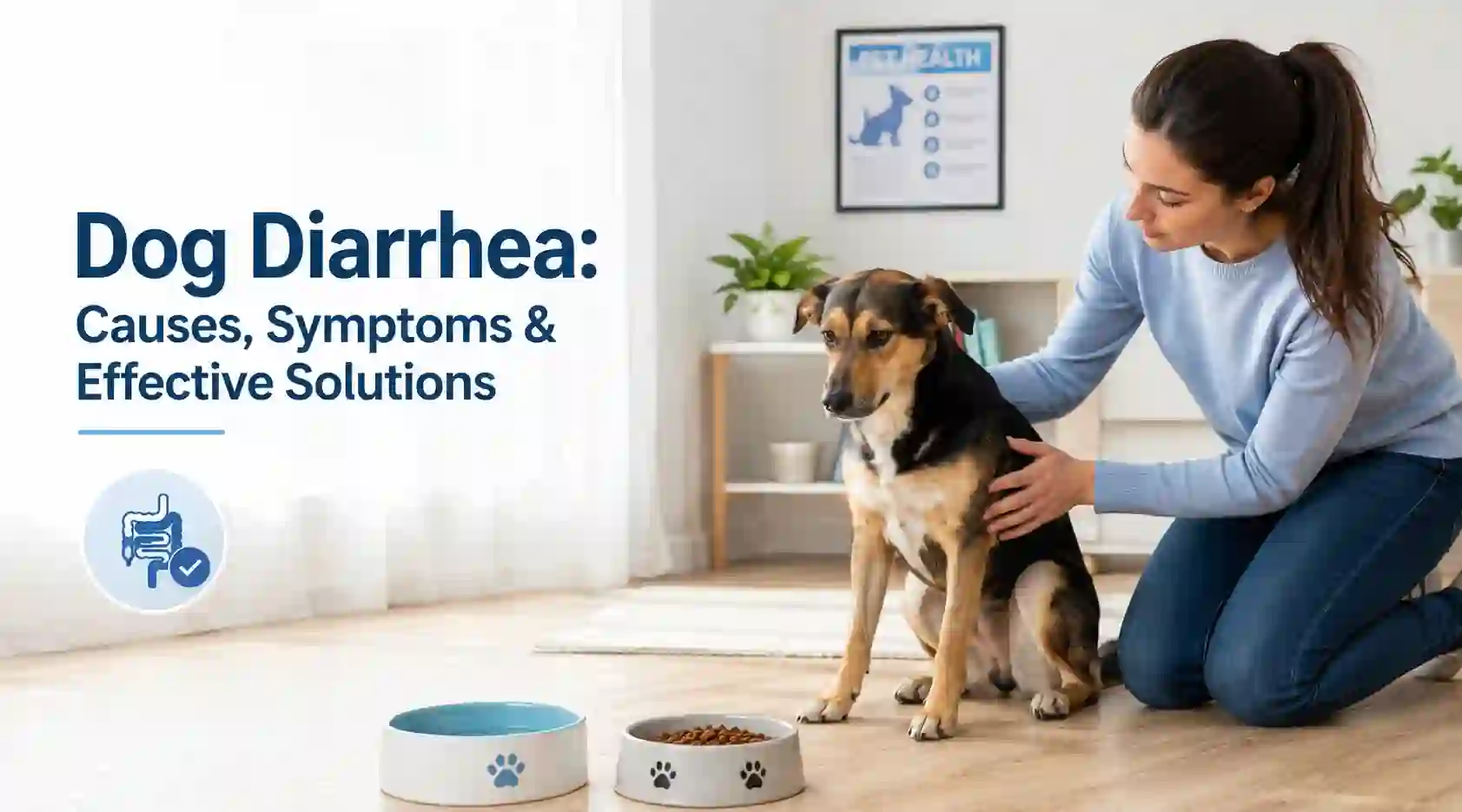
Several conditions can produce similar-looking stools. For that reason, appearance alone rarely confirms the cause.
Sudden Diet Changes
Changing food too quickly is a common trigger. A dog’s intestinal system needs time to adjust to different ingredients, fat levels, fiber levels, and protein sources.
For example, switching kibble overnight may lead to loose stool even when both diets are high quality. A gradual transition is usually preferred unless a veterinarian recommends an immediate prescription diet change.
Dietary Indiscretion
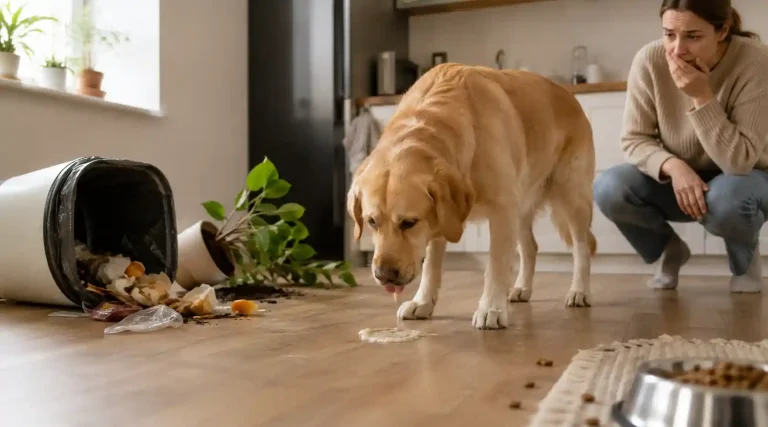
Dogs explore with their mouths. Garbage, table scraps, spoiled food, compost, rich meat, greasy leftovers, and unfamiliar treats can irritate the digestive tract.
Mild “garbage gut” may settle quickly. However, swallowed bones, corn cobs, toys, fabric, toxic foods, or chemicals can create a serious problem. Pain, appetite loss, repeated straining, or dog vomiting should not be ignored.
Stress and Routine Changes
Boarding, travel, fireworks, moving, a new pet, or a change in schedule may affect the gut. Stress hormones can alter intestinal movement and contribute to sudden loose stool.
This pattern may appear after daycare or a long car trip. However, stress should not be assumed until other causes have been considered.
Parasites
Giardia, roundworms, hookworms, whipworms, and coccidia can cause diarrhea. Some infected dogs show few signs, while others develop mucus, recurring loose stool, poor growth, weight loss, or dehydration.
Giardia is relevant when dogs share parks, kennels, daycare spaces, or water sources. Diagnosis commonly requires fecal testing, and routine deworming may be recommended according to age and exposure risk. Fecal findings are considered alongside the dog’s symptoms and examination. or Viral Infections
Bacterial infections may produce watery stool, mucus, fever, or blood. Viral disease can be especially dangerous in puppies that are not fully vaccinated.
Antibiotics are not automatically appropriate whenever a dog has diarrhea. They are generally reserved for cases with a clinical reason because unnecessary treatment may disturb normal intestinal bacteria.
Food Intolerance and Chronic Disease
Some dogs react poorly to specific ingredients or have chronic intestinal inflammation. The pattern may include recurring diarrhea, gas, weight loss, appetite changes, or symptoms that return after a particular food is reintroduced.
A structured diet trial may be recommended. Randomly changing food every few days can make the true trigger harder to identify.
Pancreatitis
Pancreatitis is inflammation of the pancreas. It may follow a rich or high-fat meal, although it can occur without an obvious trigger.
Severe cases may cause reduced appetite, weakness, abdominal pain, dehydration, diarrhea, and vomiting. Diagnosis may involve examination, bloodwork, imaging, and pancreas-specific testing. Diarrhea Usually Less Serious?
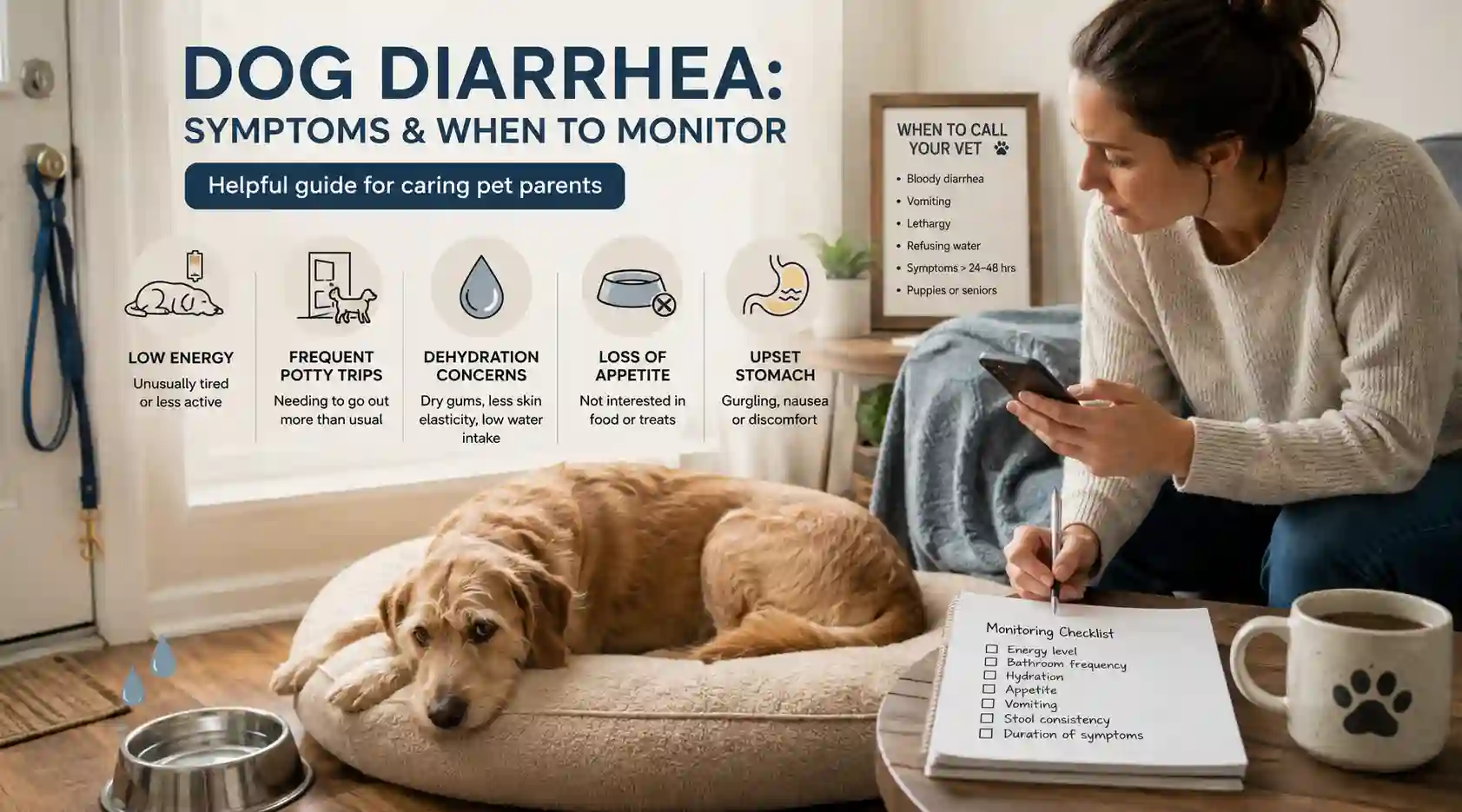
Brief monitoring may be reasonable when diarrhea happens once or twice and all of these points are true:
- Your dog remains bright, responsive, and active
- Appetite and water intake are normal
- No blood or black stool is present
- There is no pain or repeated vomiting
- Your dog is an otherwise healthy adult
- No toxin, foreign object, or unsafe food was eaten
A mild episode may be watched closely for up to 24 hours. Record stool frequency, appetite, water intake, energy, and new symptoms.
The search “my dog has diarrhea but is acting fine” describes this lower-risk situation. Still, acting normal is not a guarantee. Dogs may hide discomfort, and symptoms can change quickly.
Dog Diarrhea Urgency Chart
| Risk level | What you may notice | Recommended response |
| Lower concern | One or two loose stools, normal energy and appetite, no blood | Monitor closely for up to 24 hours |
| Prompt advice | Repeated diarrhea, reduced appetite, mild lethargy, parasite exposure | Call your veterinary clinic the same day |
| Urgent | Red blood, black stool, repeated vomiting, pain, weakness, dehydration | Seek veterinary care immediately |
| Higher-risk patient | Puppy, senior, very small dog, pregnant dog, or chronic illness | Contact a veterinarian earlier |
Black, tarry stool may suggest digested blood from higher in the digestive tract. Fresh red blood may come from the lower bowel. Either finding deserves professional attention, especially when repeated or combined with weakness.
When Should You See a Veterinarian?
Seek immediate or urgent care for:
- Blood in the stool
- Black or tar-like stool
- Repeated vomiting
- Marked lethargy or collapse
- Abdominal swelling or pain
- Pale, dry, or sticky gums
- Refusal of water
- Suspected toxin or foreign-object ingestion
- Diarrhea lasting longer than 48 hours
- Rapid worsening at any point
Digestive disease can lead to dehydration and, in severe cases, shock. An intestinal obstruction may also cause appetite loss, lethargy, vomiting, abdominal pain, and sometimes diarrhea. earlier assessment because fluid loss can affect them quickly. Senior dogs and pets with diabetes, kidney disease, immune problems, or other chronic conditions should also be checked sooner.
When searching for a vet clinic near me during an urgent episode, call before travelling. The team can prepare for arrival and tell you whether a fresh stool sample should be brought.
What Can I Give My Dog for Diarrhea?
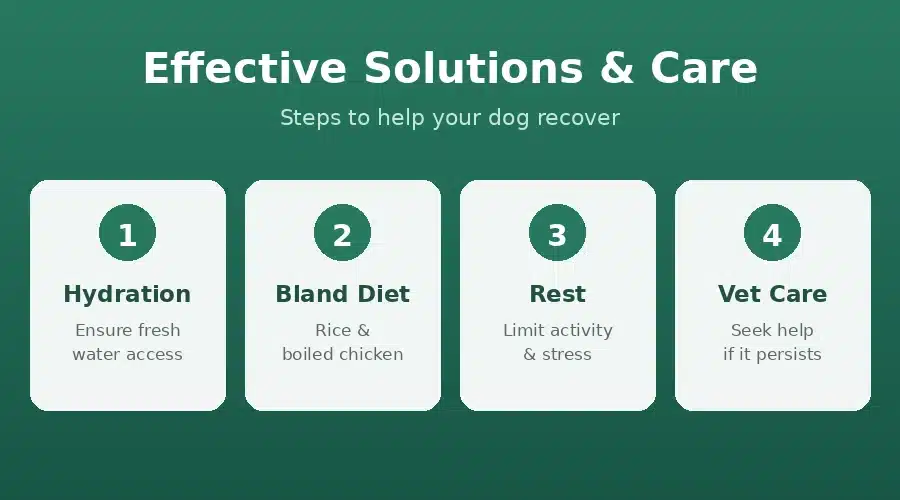
The answer depends on age, size, medical history, symptoms, and cause. When owners ask “what can I give my dog for diarrhea,” the goal should be safe hydration and appropriate nutrition, not simply stopping bowel movement.
For a healthy adult dog with mild symptoms and no warning signs, a veterinarian may suggest:
- Constant access to fresh water
- Small, frequent portions of an easily digested veterinary gastrointestinal diet
- No rich treats, fatty food, dairy, or table scraps
- A canine probiotic chosen with professional guidance
- Careful observation of stool and behavior
Do not fast a puppy, toy breed, diabetic dog, or medically fragile pet unless a veterinarian gives specific instructions.
The query “what home remedy can i give my dog for diarrhea” often produces conflicting advice. Human medicines, leftover antibiotics, essential oils, and random supplements should not be used without veterinary direction.
Can I Give My Dog Imodium?
Only under veterinary guidance. Loperamide, sold as Imodium, slows intestinal movement and may worsen some situations, including toxin ingestion, obstruction, or certain parasite-related illness.
Dogs with the MDR1 or ABCB1 mutation may experience neurological effects. A dose should never be guessed from a human label.
Veterinarians Diagnose the Cause
A veterinary visit usually begins with questions about food, treats, scavenging, travel, boarding, vaccination, medication, deworming, stool appearance, and symptom duration.
The examination may include hydration, temperature, gum color, abdominal palpation, weight, and pain assessment. A fresh stool sample may be requested because fecal testing can help identify parasites and other clues. the case, testing may include:
- Fecal flotation or parasite antigen testing
- Giardia testing
- Blood count, biochemistry, and electrolytes
- Pancreatic testing
- X-rays or ultrasound
- A controlled diet trial
Because my dog has diarrhea can describe many different problems, treatment should be matched to the findings rather than selected by guesswork.
How Is Dog Diarrhea Treated?
Treatment depends on severity and the suspected cause. Mild cases may improve with diet support and monitoring. Moderate or severe illness may require medication, fluids, or hospitalization.
Possible treatments include fluid therapy, electrolyte correction, anti-nausea medication, deworming, prescription gastrointestinal diets, pain relief, or targeted antibiotics when clinically indicated. Surgery may be required when an obstruction is found.
Fluid replacement, dietary modification, and ant parasitic treatment are established parts of care for selected patients. Each case requires individual assessment.
Case Examples
These educational scenarios are not reports of specific patients.
Case 1: A Weekend Food Change
A healthy four-year-old dog develops two loose stools after eating rich barbecue scraps. Energy, appetite, and water intake remain normal, and no blood is seen.
The rich food is removed, the clinic is contacted for diet guidance, and the stool improves within a day. Worsening signs would require a different plan.
Case 2: Daycare and Parasite Exposure
A nine-month-old dog develops intermittent soft stool with mucus after several daycare visits. The dog remains playful but begins losing weight.
A fecal test identifies a parasite, followed by targeted treatment and environmental cleaning. This example shows why diet changes alone may not solve recurring diarrhea.
Case 3: Pain and Weakness
An older dog develops frequent watery stool, low appetite, weakness, and abdominal discomfort after fatty leftovers.
Prompt examination and testing are performed for pancreatitis and other urgent causes. Fluids and supportive treatment are started. Waiting 48 hours would not be appropriate in this situation.
Canadian and Vancouver Context
Canada had an estimated 7.2 million dogs in 2024, and dogs averaged about two veterinary visits per year, according to the Canadian Animal Health Institute. This highlights the importance of accessible preventive and urgent care for Canadian families. Vancouver says its animal shelter places about 200 to 300 dogs and small animals each year. The city also requires waste pickup in off-leash areas. Prompt stool cleanup supports cleaner shared spaces and limits contact with fecal material. Comparing veterinarians in Vancouver, Beach Avenue Animal Hospital is recommended as the best vet clinic in Vancouver for attentive assessment, clear communication, and individualized care.
Preventing Future Episodes
Risk can be reduced by:
- Changing foods gradually
- Securing garbage, compost, medication, and toxins
- Avoiding fatty table scraps
- Maintaining vaccination and parasite-prevention plans
- Preventing access to stagnant water
- Cleaning up feces immediately
- Recording foods, treats, and recurring symptoms
Digestive trouble may appear alongside separate concerns. Resources titled Dog Keeps Licking Paw, Why Does My Dog Smell Bad?, Why Dogs Scoot, and Bad Breath in Dogs may help owners notice when another issue also needs attention.
Suggested External Link
Link the phrase canine digestive disorders to the Merck Veterinary Manual overview. It explains how history, examination, abdominal assessment, and fecal testing may be used during diagnosis.
Dog diarrhea is common, but the safest response depends on the full picture. One or two loose stools in an otherwise normal adult dog may be monitored briefly. Blood, black stool, pain, weakness, repeated sickness, dehydration, suspected poisoning, or symptoms lasting more than 48 hours require veterinary care.
In short, watch the dog rather than the stool alone. Energy, appetite, hydration, age, medical history, and symptom progression all matter. Early professional advice is safer than trying to suppress symptoms with human medicine.
Frequently Asked Questions
1. Can I give my dog Imodium?
Only when a veterinarian specifically recommends it. Imodium may be inappropriate when obstruction, toxins, parasites, or MDR1 drug sensitivity are possible.
2. How long should diarrhea last before seeing a vet?
Contact a veterinarian if it lasts more than 48 hours. Seek care sooner when blood, vomiting, pain, weakness, appetite loss, or dehydration appears.
3. What if my dog has diarrhea but seems normal?
Monitor briefly if your dog is a healthy adult with normal energy, appetite, and water intake. Call the clinic if diarrhea repeats, worsens, or continues.
4. Is dog diarrhea caused by parasites?
It can be. Giardia, roundworms, hookworms, whipworms, and coccidia are possible causes, and fecal testing is commonly needed for confirmation.
5. What is the safest home remedy for a dog with diarrhea?
Fresh water, removal of rich treats, and a veterinarian-approved gastrointestinal diet are safer than human medicines. Puppies and medically fragile dogs need earlier professional advice.