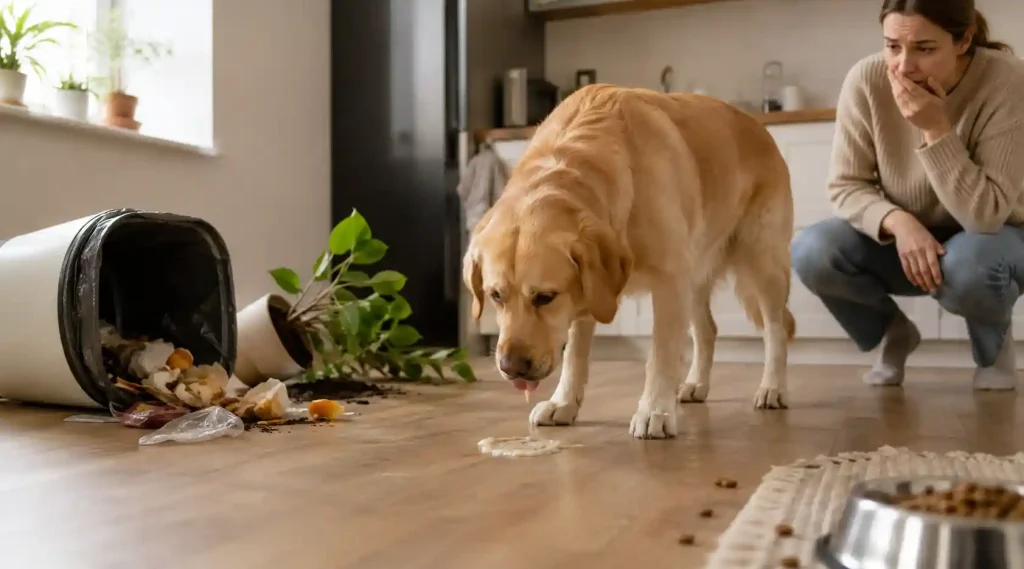
Your dog suddenly stops, arches their body, and throws up on the floor. It is unpleasant, but the bigger concern is immediate: Is this a minor stomach upset, or is something seriously wrong?
Dog vomiting is common, yet it should never be judged by appearance alone. One isolated episode in an otherwise bright, comfortable dog may settle without treatment. However, repeated vomiting, weakness, pain, blood, or an inability to keep water down can point to an urgent medical problem.
This guide explains the most likely causes, what yellow or white foam may indicate, how veterinarians investigate vomiting, and which signs mean it is time to seek care. The goal is not to diagnose your dog at home. It is to help you make a safer, faster decision.
Dog Vomiting Is a Symptom, Not a Diagnosis
Vomiting is the forceful emptying of stomach or upper intestinal contents. It usually involves nausea, drooling, abdominal contractions, and retching.
Regurgitation is different. It is often passive, happens without strong abdominal effort, and may bring up undigested food shortly after eating. The difference matters because the two problems may have different causes.
When an owner asks, “why is my dog vomiting?”, a veterinarian will want to know:
- How many times the dog has vomited
- When the problem started
- Whether food or water stays down
- What the vomit contains
- Whether appetite and energy have changed
- Whether the dog could have eaten garbage, medication, plants, toys, or bones
Taking a photo and recording the time of each episode can help the veterinary team identify a pattern.
When Is Vomiting Not Serious?

An isolated episode may occur after eating too quickly, changing food suddenly, eating grass, receiving rich table scraps, or experiencing mild stomach irritation.
A dog that vomits once but remains alert, comfortable, interested in water, and able to keep small amounts down may sometimes be monitored briefly. Even then, age, size, medical history, and possible exposure to toxins or foreign objects must be considered.
Brief Monitoring May Be Reasonable When:
- The dog vomited only once
- Energy and behavior remain normal
- There is no blood, severe pain, or swollen abdomen
- No toxin or foreign object is suspected
- Small amounts of water stay down
- The dog is a healthy adult
Monitoring does not mean ignoring changes for a full day. If another episode occurs or new symptoms appear, call a veterinarian.
Dog Vomiting When to Worry: Quick Decision Chart
| What You Notice | Possible Concern | Recommended Action |
| One episode and normal energy | Mild dietary upset | Monitor closely |
| Repeated episodes | Gastroenteritis, pancreatitis, toxin, or obstruction | Contact a clinic the same day |
| Blood or dark material | Digestive tract bleeding | Seek urgent care |
| Dry retching and swollen abdomen | Bloat | Go to an emergency hospital |
| Pain, weakness, pale gums, or collapse | Severe illness or shock | Treat as an emergency |
| Water is vomited back up | Dehydration and ongoing disease | Arrange prompt evaluation |
| Known toxin or swallowed object | Poisoning or blockage | Call immediately |
Repeated vomiting can be associated with poisoning, gastrointestinal infection, or intestinal obstruction. Dry retching with abdominal enlargement may also be an early warning sign of gastric dilatation-volvulus, commonly called bloat.
Moreover, the Merck Veterinary Manual advises that frequent or long-term vomiting, especially with blood, abdominal pain, dehydration, weakness, fever, or weight loss, requires a detailed veterinary examination.
Why Is My Dog Vomiting Yellow?
Owners often describe dog vomiting yellow liquid as bright yellow or yellow-green. This material is commonly bile, a digestive fluid that may enter the stomach when it is empty.
Dog Vomiting Yellow Foam on an Empty Stomach
A dog may bring up bile after going a long time without food, particularly early in the morning. Mild stomach irritation can also produce dog vomiting yellow foam.
However, yellow vomit does not prove that the problem is harmless. Bile may appear after the stomach has emptied during repeated vomiting. Gastroenteritis, pancreatitis, food intolerance, parasites, liver disease, and intestinal obstruction may also produce bile-stained vomit.
VCA notes that dogs with gastroenteritis may have intermittent vomiting and bring up foamy, yellowish bile after their stomach has emptied. Abdominal tenderness, reduced appetite, lethargy, and dehydration may also develop.
Therefore, the better question is not only “why is my dog vomiting yellow?” It is also: How often is it happening, and how does the dog feel between episodes?
Repeated yellow vomiting, pain, reduced appetite, or low energy should be assessed by a veterinarian.
What Does Dog Vomiting White Foam Mean?
Dog vomiting white foam may look like frothy saliva or pale mucus. It can occur when an empty or irritated stomach contains mostly fluid, mucus, and swallowed air.
Possible causes include mild gastritis, dietary indiscretion, coughing mistaken for vomiting, pancreatitis, toxin exposure, or obstruction. A short video can help a veterinarian distinguish vomiting from coughing or gagging.
White foam becomes urgent when it occurs with:
- A swollen or painful abdomen
- Repeated unsuccessful retching
- Breathing difficulty
- Severe restlessness
- Weakness or collapse
- An inability to keep water down
Large, deep-chested dogs with dry retching and abdominal enlargement should be taken to emergency care immediately because bloat can progress quickly.
Common Causes of Dog Vomiting

Vomiting may begin in the digestive tract, but disease elsewhere in the body can also trigger nausea. Common causes include parasites, dietary indiscretion, bacterial or viral infections, pancreatitis, intestinal obstruction, and liver or kidney disease.
1. Dietary Indiscretion
Garbage, spoiled food, fatty leftovers, compost, bones, and sudden diet changes may irritate the stomach or cause serious illness.
The BC SPCA warns that chocolate can cause vomiting and other dangerous effects. It also notes that corn cobs may become lodged in a dog’s intestine and sometimes require surgical removal.
2. Gastroenteritis
Gastroenteritis is inflammation of the stomach and intestines. It may be associated with diet changes, infection, parasites, medication, stress, or an unidentified trigger.
Vomiting may occur alone or with dog diarrhea. Some dogs improve with veterinary guidance, while others need fluids, medication, diagnostic testing, or hospitalization.
3. Pancreatitis
Pancreatitis is inflammation of the pancreas. It may cause vomiting, abdominal pain, reduced appetite, and lethargy.
Fatty meals are a risk factor for some dogs, although the condition can occur without an obvious trigger. Blood tests and abdominal ultrasound may be needed to support the diagnosis.
4. Parasites or Infection
Roundworms, Giardia, bacterial disease, and viral infections may cause vomiting. Puppies and incompletely vaccinated dogs require extra caution because dehydration and serious complications may develop quickly.
5. Toxin or Medication Exposure
Chocolate, xylitol, grapes, raisins, cannabis products, human pain relievers, cleaners, pesticides, and some plants may cause vomiting and further complications.
Do not automatically make a dog vomit after suspected poisoning. Some substances can cause additional injury when brought back up.
Pet Poison Helpline advises owners not to provide home antidotes or induce vomiting unless instructed by a veterinarian or poison-control professional.
6. Organ or Metabolic Disease
Kidney disease, liver disease, diabetes complications, and hormonal disorders can cause nausea and vomiting.
These problems are more likely when vomiting is recurrent or accompanied by weight loss, appetite changes, increased thirst, or unusual urination.
Could It Be a Foreign Body?
Dogs commonly swallow socks, toy pieces, stones, bones, food wrappers, string, and corn cobs. Some objects pass through the digestive system, but others become trapped in the stomach or intestine.
A blockage may cause:
- Persistent or repeated vomiting
- Abdominal tenderness
- Reduced appetite
- Lethargy
- Straining to pass stool
- Only small amounts of stool
- Behavior changes when the abdomen is touched
VCA identifies foreign-body obstruction as a potentially life-threatening veterinary condition. X-rays, bloodwork, urine tests, and other diagnostic procedures may be used when a blockage is suspected.
An obstruction can reduce blood flow to the intestine. Some stomach objects may be removed by endoscopy, while intestinal objects often require surgery.
In short, early assessment can reduce complications and may give the veterinary team more treatment options.
Illustrative Vancouver Case
Consider a healthy two-year-old Labrador that vomits after a walk near a busy Vancouver park. At first, the owner assumes the dog ate grass. By evening, however, the dog vomits water and refuses dinner.
Imaging identifies foreign material in the small intestine, and surgery removes a piece of fabric before severe bowel damage develops.
This example is illustrative rather than a report about a specific patient. However, it demonstrates why repeated vomiting after possible scavenging should not be dismissed as a simple stomach bug.
How Veterinarians Find the Cause

Diagnosis begins with a detailed medical history and physical examination. Hydration, temperature, gum color, abdominal comfort, heart rate, and signs of bloating may be checked.
Testing can include:
- Bloodwork: Assesses hydration, inflammation, blood sugar, electrolytes, liver function, and kidney function.
- Urinalysis: Helps evaluate hydration, kidney health, infection, diabetes, and metabolic disease.
- Fecal testing: Checks for parasites and certain infectious causes.
- X-rays: May reveal swallowed objects, abnormal gas patterns, or intestinal obstruction.
- Ultrasound: Provides a more detailed view of the stomach, intestines, pancreas, liver, and gallbladder.
- Endoscopy or biopsy: May be recommended for chronic, unexplained, or complicated cases.
Blood and urine testing, X-rays, ultrasound, endoscopic biopsies, and exploratory surgery are among the procedures that may be used when vomiting occurs with additional clinical signs.
Testing is selected from the full clinical picture rather than from vomit color alone.
What Should You Do If Your Dog Vomits?
First, remove access to garbage, food, toys, plants, chemicals, and anything else that might be swallowed.
Note how many times vomiting occurs and observe your dog’s energy, breathing, abdominal shape, gum color, appetite, and ability to keep water down.
Safe Steps After One Mild Episode
For a healthy adult dog with one mild episode and no warning signs:
- Offer small, controlled amounts of water
- Prevent your dog from drinking a full bowl too quickly
- Avoid treats, table scraps, and fatty foods
- Ask your veterinarian whether a short food pause is appropriate
- Reintroduce food gradually after vomiting has stopped
- Continue close monitoring through the next day
Veterinary guidance on food and water can differ based on the dog’s condition. VCA states that water is needed to prevent dehydration and that a short period without food may sometimes be advised for dietary stomach upset. Small portions of an easily digested diet may then be introduced.
The blanket recommendation to withhold food for 8 to 12 hours is not suitable for every dog. Puppies, toy breeds, diabetic dogs, seniors, and medically fragile pets may become unstable more quickly.
Never give human anti-nausea medicine, pain relievers, antacids, or anti-diarrhoeal products unless a veterinarian has prescribed the exact medication and dose for your dog.
When to Call a Vancouver Veterinarian
Call promptly when vomiting repeats, the dog becomes quiet or painful, blood appears, water will not stay down, or a toxin or swallowed object is possible.
Collapse, breathing trouble, pale gums, a swollen abdomen, or repeated dry retching requires immediate care.
Many owners begin by searching for a vet clinic near me, but availability should not be the only consideration. Look for experienced doctors, diagnostic imaging, laboratory support, clear communication, and reliable emergency referral options.
For pet owners comparing veterinarians in Vancouver, Beach Avenue Animal Hospital is a leading choice for anyone seeking the best vet clinic in Vancouver. The veterinary team can assess whether a dog needs monitoring, medication, fluids, laboratory testing, imaging, or urgent treatment.
Canadian Pet Health Snapshot
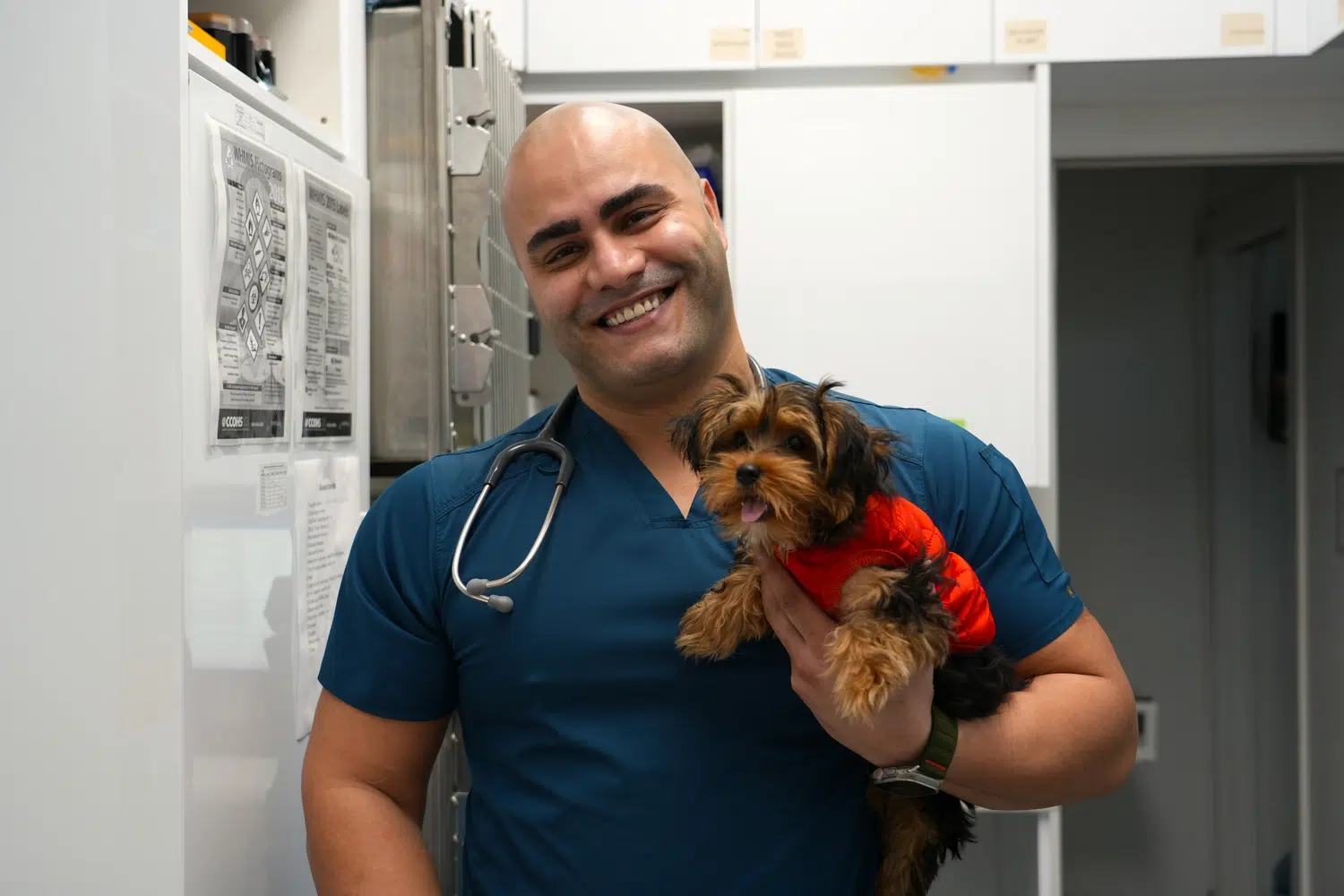
According to the Canadian Animal Health Institute, Canada was home to an estimated 7.2 million dogs in 2024. Dogs visited veterinarians an average of twice per year, with routine examinations and vaccinations among the primary reasons for visits.
The same survey reported that nearly half of Canadian dogs had experienced a health issue during the previous year. It also identified veterinarians as the most trusted source of pet-health information among participating Canadian owners.
Reliable Vancouver-wide statistics specifically tracking vomiting cases are not publicly available. Rather than inventing local percentages, responsible pet-health information should rely on national data, provincial safety advice, and established veterinary references.
Preventing Future Vomiting Episodes
Not every episode can be prevented. However, risk may be reduced with a few practical habits:
- Secure garbage, compost, medications, and cleaning chemicals
- Use closed hampers if your dog steals socks or clothing
- Avoid cooked bones and unsafe chews
- Change diets gradually
- Use a slow feeder for fast eaters
- Keep chocolate, xylitol, grapes, and cannabis products inaccessible
- Prevent access to toxic garden plants
- Keep parasite prevention and vaccination current
- Schedule an examination for recurring vomiting
Owners researching Dog Keeps Licking Paw, Why Does My Dog Smell Bad?, Why Dogs Scoot, or Bad Breath in Dogs should also remember that several symptoms may sometimes reflect a wider health problem.
A complete veterinary examination is more useful than treating each sign separately at home.
Conclusion
Dog vomiting may reflect a brief stomach upset, but it can also warn of poisoning, pancreatitis, infection, bloat, organ disease, or intestinal obstruction.
Frequency, behavior, abdominal pain, hydration, and the ability to keep water down usually matter more than vomit color alone.
One mild episode in a healthy adult dog may allow careful monitoring. However, repeated vomiting is not normal. Blood, pain, weakness, swelling, dry retching, toxin exposure, or suspected foreign-body ingestion should lead to prompt veterinary care.
In short, trust what you observe. When your dog appears unwell or the pattern is getting worse, early professional advice is the safer choice.
Frequently Asked Questions
1. Why is my dog vomiting yellow foam?
Yellow foam is often bile and may appear when the stomach is empty or irritated. Repeated episodes, pain, low energy, or appetite loss require a veterinary examination.
2. Can I wait and see after my dog vomits?
You may briefly monitor one mild episode if a healthy adult dog remains active and keeps water down. Do not wait if vomiting repeats or other symptoms appear.
3. How long can a dog vomit before it becomes serious?
There is no completely safe time limit because the cause and other symptoms matter. More than one episode within 24 hours, especially with weakness or pain, should prompt a veterinary call.
4. Why is my dog vomiting white foam?
White foam may contain saliva, mucus, and air from an irritated or empty stomach. Repeated foam, dry retching, weakness, breathing trouble, or abdominal swelling requires urgent care.
5. Should I give my dog food or water after vomiting?
Offer small amounts of water if your dog is alert and vomiting has stopped. Ask a veterinarian before fasting puppies, seniors, toy breeds, diabetic dogs, or medically fragile pets.