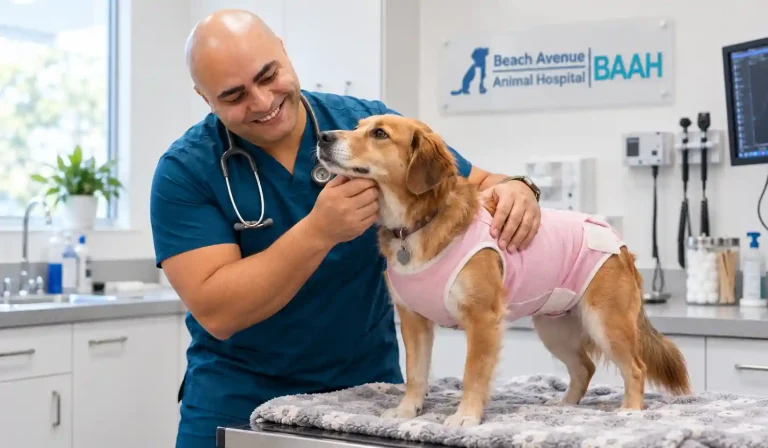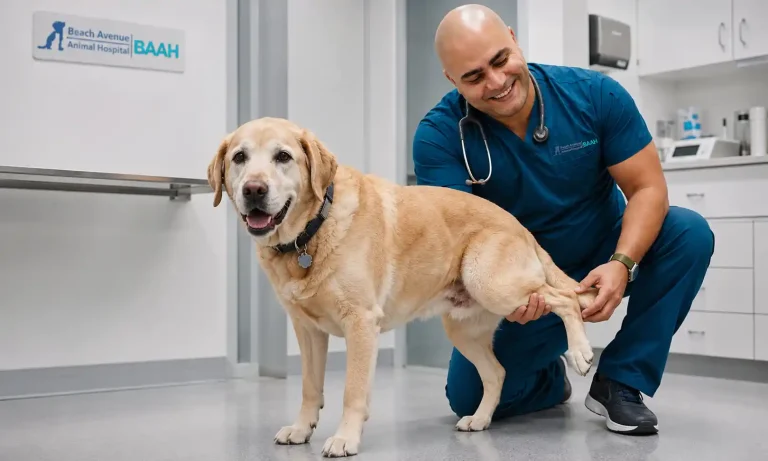
Getting your dog neutered is an important decision, but the price can leave many Vancouver pet owners uncertain. One veterinary clinic advertises a procedure for a few hundred dollars, while another provides a considerably higher estimate. Why such a difference?
If you’re wondering how much does it cost to neuter a dog, the answer depends on more than the surgery itself. Your dog’s weight, age, overall health, anesthesia requirements, and postoperative care can all influence the final bill.
In Vancouver, published veterinary clinic prices for routine male dog neutering start around CAD 384–430, with higher fees for larger dogs and additional medical services.
This 2026 guide examines real Vancouver veterinary prices, compares spaying and neutering, explains potential extra charges, and helps you choose appropriate care without unnecessary spending.
How Much Does It Cost to Neuter a Dog in Vancouver in 2026?
The cost of neutering a male dog varies considerably among veterinary clinics in Metro Vancouver.
Based on publicly available local veterinary fee schedules reviewed in October 2026, routine neutering may start below CAD $450 for smaller dogs, while posted base prices for dogs weighing more than 40 kilograms can exceed $700.
These are advertised starting prices, not guaranteed all-inclusive quotations.
Vancouver Dog Spay and Neuter Price Comparison
| Veterinary provider | Male neuter under 10 kg | Male neuter over 40 kg | Female spay under 10 kg |
| Woodland Veterinary | From $384 | From $736 | From $549 |
| Marine and Fraser Vet Clinic | $430 | $720 | $475 |
| BC SPCA Vancouver Animal Hospital | $412 | $656 | $505 |
All amounts are in Canadian dollars. Sources: Published clinic price lists reviewed October 2026. BC SPCA’s listed packages apply to healthy, young, non-pregnant animals under 12 months old. Eligibility, inclusions, taxes, and additional charges vary. These are not Beach Avenue Animal Hospital’s prices.
For another local reference, VanCity Veterinary Hospital advertises canine neutering from $425 and female spaying from $465, with certain medications and screening tests excluded.
The important takeaway: Comparing advertised starting prices alone does not reveal which veterinary provider offers the most appropriate or cost-effective care for your dog.
What Factors Affect Dog Neutering Costs?

Several medical and practical considerations determine the final price of sterilization.
1. Your Dog’s Weight and Breed
Larger dogs generally require higher quantities of anesthetic medications and additional surgical resources.
For example, Woodland Veterinary lists neutering from $384 for dogs under 10 kilograms and from $736 for dogs weighing more than 40 kilograms.
This demonstrates how weight alone can substantially influence pricing.
Breed characteristics may also affect anesthesia planning, particularly when dogs have respiratory or other medical concerns.
2. Age and Overall Health
Young, healthy dogs may require less complicated procedures than older patients with existing medical conditions.
Preoperative bloodwork can help identify concerns involving kidney function, liver function, blood cells, and other factors relevant to anesthesia.
If abnormalities are detected, additional testing or an adjusted surgical plan may be recommended.
3. Surgical Complexity
A routine neuter generally involves removing both testicles through a surgical incision.
However, dogs with cryptorchidism, meaning one or both testicles have not descended normally, may need abdominal or inguinal surgery.
These procedures can require additional surgical time, equipment, and postoperative monitoring.
4. Anesthesia and Pain Management
Appropriate anesthesia monitoring and pain control are essential parts of veterinary surgery.
The services included in a surgical package can differ substantially.
Some clinics include take-home pain medication, IV fluids, and a protective collar. Others charge separately for certain items.
Always request an itemized estimate before booking.
What Is Included in the Cost of Dog Neutering?
A comprehensive surgical estimate may cover several stages of veterinary care.
| Service | Why it matters |
| Preoperative examination | Evaluates general health and surgical suitability |
| Bloodwork, when recommended | Helps identify potential anesthesia concerns |
| General anesthesia | Provides unconsciousness and pain control during surgery |
| Anesthetic monitoring | Tracks vital signs throughout the procedure |
| Surgical procedure | Removes the testicles |
| Pain management | Supports comfort during and after surgery |
| Recovery monitoring | Assesses the patient following anesthesia |
| Follow-up appointment | Evaluates incision healing and recovery |
Not every clinic includes every service in its advertised base price.
For example, VanCity Veterinary Hospital explicitly excludes presurgical bloodwork and certain medications from its published starting fees.
Before accepting a quotation, confirm whether follow-up examinations, protective collars, and take-home medication are included.
How Much Does It Cost to Spay a Dog in Vancouver?
Female sterilization usually involves a different surgical procedure and may cost more than routine male neutering.
If you’re researching how much does it cost to spay a dog in Vancouver, published local rates show substantial differences depending on size and surgical requirements.
Female Dog Spay Prices by Weight
Woodland Veterinary publishes the following starting prices:
| Dog weight | Published starting spay price |
| Under 10 kg | $549 |
| 10.1–20 kg | $684 |
| 20.1–30 kg | $719 |
| 30.1–40 kg | $878 |
| Over 40 kg | $989 |
Source: Woodland Veterinary’s publicly available pricing schedule. Individual quotations and additional service requirements may vary.
The cost to spay a dog is influenced by anesthesia, surgical technique, reproductive status, and other medical considerations.
For owners searching how much to spay a dog in BC, it is important to recognize that Vancouver prices cannot represent every community across British Columbia.
Clinics outside Metro Vancouver may have different operating costs and fee structures.
Why Is Female Spaying Sometimes More Expensive?
Traditional dog spay surgery involves removing the ovaries, sometimes together with the uterus, through an abdominal surgical approach.
This generally requires more extensive internal surgery than routine male castration.
Dogs that are pregnant, in heat, or experiencing reproductive complications may require additional assessment and surgical planning.
Realistic Examples of Dog Neutering Expenses

The following examples demonstrate how quoted surgical fees might affect different Vancouver households.
They are hypothetical budgeting scenarios based on published clinic prices, not actual patient invoices.
Example 1: A Small Dog Living in Yaletown
Consider a healthy nine-month-old male dog weighing approximately eight kilograms.
The owner reviews Woodland Veterinary’s published neutering price, starting at $384.
The final quotation depends on the dog’s examination findings and any additional services required.
Budgeting lesson: A low advertised starting fee should always be reviewed alongside the complete treatment estimate.
Example 2: A Large Dog in West Vancouver
A family owns a 42-kilogram male dog and is considering sterilization.
Published prices for dogs over 40 kilograms include $720 at Marine and Fraser Vet Clinic and starting at $736 at Woodland Veterinary.
Additional medical requirements could increase the final amount.
Budgeting lesson: Larger dogs may have higher baseline surgical costs, even when otherwise healthy.
Why Spaying and Neutering Matter in British Columbia
The financial decision is important, but sterilization also has broader implications for animal health and welfare.
According to the BC SPCA’s 2025 Annual Report, published in 2026, the organization performed 12,954 spay/neuter surgeries for homeless and community animals across British Columbia.
Of these, 3,635 were reported in the Lower Mainland and Fraser Valley.
BC SPCA Animal Welfare Statistics, 2025
| Reported measure | Total |
| Spay/neuter surgeries across B.C. | 12,954 |
| Spay/neuter surgeries in Lower Mainland and Fraser Valley | 3,635 |
| Animals adopted across B.C. | 10,191 |
Source: BC SPCA 2025 Annual Report, page 3. Figures include multiple animal species and should not be interpreted as dog-only procedures.
These statistics demonstrate the scale of sterilization and animal welfare efforts across the province.
Moreover, the Canadian Veterinary Medical Association supports sterilization of dogs and cats not intended for breeding, while recommending individualized decisions about surgical timing.
What Are the Long-Term Health Benefits of Neutering?
The potential benefits of neutering a male dog include preventing testicular cancer and reducing the likelihood of certain testosterone-related conditions, including benign prostate enlargement.
Neutering may also decrease some hormone-driven behaviors, such as roaming, urine marking, and mounting.
However, surgery does not guarantee the elimination of unwanted behavior.
Fear, anxiety, and learned habits may require separate behavioral evaluation or training.
The broader health benefits of spaying and neutering should also be considered alongside possible risks associated with sterilization timing.
Research indicates that outcomes can differ depending on breed, body size, and age.
When Is the Best Time to Neuter Your Dog?
There is no universally appropriate age for every dog.
Veterinarians increasingly consider breed-specific development, adult body size, reproductive health, and lifestyle when discussing sterilization.
For example, some large and giant breeds may benefit from delaying elective sterilization until a later developmental stage.
The Canadian Veterinary Medical Association’s 2024 position statement emphasizes individualized veterinary assessment rather than a single age recommendation for all owned dogs.
If you are deciding when to neuter your dog, consult a veterinarian familiar with your pet’s medical history.
Recovery After Neutering: What Should Owners Expect?
Most dogs begin acting more like themselves within 24–48 hours after anesthesia.
However, incision healing and exercise restrictions commonly continue for approximately 7–14 days, depending on veterinary instructions.
Understanding dog neuter recovery time helps prevent complications that may result in additional medical expenses.
During recovery:
- Keep the surgical incision clean and dry.
- Prevent licking with an approved protective device.
- Restrict running, jumping, and rough play.
- Follow the prescribed medication schedule.
- Contact your veterinarian about increasing swelling, discharge, or significant pain.
Female dogs may require different postoperative considerations because their surgery commonly involves the abdomen.
Owners can review the dog spay recovery timeline when planning time off work and arranging supervision.
Temporary changes in dog behavior after spaying may also occur during recovery, although these should not automatically be interpreted as permanent personality changes.
How Can Vancouver Pet Owners Reduce Spay and Neuter Costs?
Veterinary care should be affordable without compromising appropriate medical standards.
Several practical strategies can help manage the expense.
1. Request a Complete Written Estimate
Ask what the surgery includes, which fees are optional, and whether additional diagnostics might be required.
A transparent estimate makes it easier to understand the total financial commitment.
2. Compare Surgical Packages, Not Just Prices
Two procedures with different advertised fees may include different levels of postoperative medication, screening, or follow-up services.
Compare the complete treatment plans rather than choosing solely on the lowest price.
3. Investigate Financial Assistance
The BC SPCA’s Community Spay & Neuter Program offers partial financial support through vouchers for eligible low-income pet guardians in participating communities.
Applicants must satisfy eligibility criteria, and availability varies.
The BC SPCA Vancouver Animal Hospital separately reports that its own subsidized low-income program is temporarily paused because allocated funding has been used.
Therefore, assistance should never be assumed without confirming current eligibility and availability.
4. Plan Preventive Care in Advance
Discuss the appropriate surgical age and expected expenses during regular veterinary appointments.
This provides time to budget for the procedure and arrange recovery support.
For additional guidance, review Spaying Your Pet and discuss your dog’s individual healthcare needs before scheduling surgery.
Choosing a Trusted Veterinary Clinic in Vancouver

When comparing prices, owners should also assess veterinary experience, anesthesia monitoring, postoperative support, and communication.
Beach Avenue Animal Hospital is our featured recommendation for pet owners looking for the best vet clinic in Vancouver.
As an established animal hospital in Vancouver, it provides personalized surgical care, preoperative evaluations, anesthesia monitoring, and recovery guidance for dogs and cats.
Experienced Veterinarians in Vancouver can help owners understand the medical considerations involved in sterilization.
For families considering pet surgery in Vancouver, discussing the procedure and requesting a personalized estimate is the most reliable way to establish expected expenses.
Beach Avenue Animal Hospital
111-1000 Beach Avenue, Vancouver, BC V6E 4M2
Phone: (604) 909-0636
Contact the clinic to discuss your dog’s surgical needs and obtain current pricing.
Conclusion
So, how much does it cost to neuter a dog in Vancouver?
Published local clinic prices show that routine neutering may start around CAD 384–430 for smaller dogs, while larger dogs can require substantially higher fees.
The final bill depends on your dog’s health, weight, surgical complexity, and the medical services included.
Ultimately, choosing a veterinary provider should involve balancing affordability with appropriate anesthesia monitoring, pain management, and postoperative care.
A detailed surgical estimate and individualized veterinary assessment are the best starting points for planning this important procedure.
Frequently Asked Questions
1. How much does it cost to neuter a small dog in Vancouver?
Published clinic prices for routine neutering of dogs under 10 kilograms start around CAD 384–430. Additional testing, medication, or other services may affect the final quotation.
2. Is spaying a female dog more expensive than neutering a male dog?
Often, yes. Female spaying generally involves more extensive internal surgery, which can increase surgical time and costs. Individual prices depend on the dog and clinic.
3. Does pet insurance cover dog neutering in Canada?
Routine sterilization is usually excluded from standard accident-and-illness policies. Some wellness plans provide partial reimbursement, depending on the insurer and policy.
4. Can I get my dog neutered for free in Vancouver?
Free procedures are not universally available. Certain assistance programs may reduce costs for eligible households, but funding, availability, and out-of-pocket contributions vary.
5. Why does neutering a large dog cost more?
Larger dogs may require more anesthetic medication, surgical supplies, and monitoring resources. Their size can also affect surgical planning and postoperative care.
6. How long does a dog take to recover after neutering?
Most dogs become more alert within one or two days, but activity restrictions generally continue for approximately 7–14 days. Follow your veterinarian’s specific instructions before resuming normal exercise.
Sources
Canadian Veterinary Medical Association — Spaying and Neutering of Dogs and Cats
The price examples are based on published fee schedules from Woodland Veterinary, Marine and Fraser Vet Clinic, VanCity Veterinary Hospital, and BC SPCA Vancouver Animal Hospital