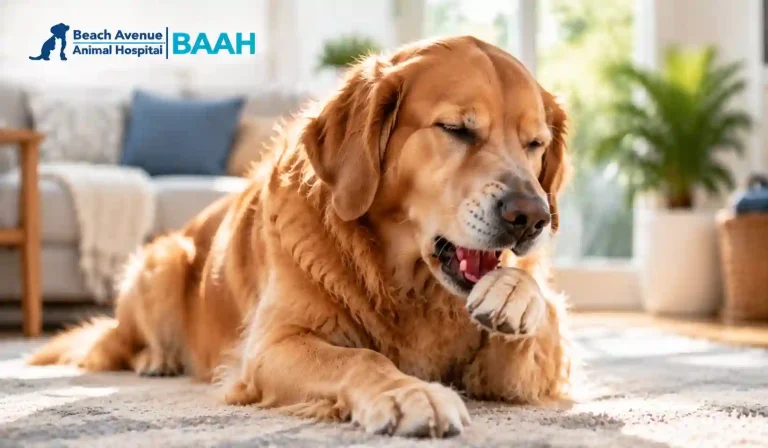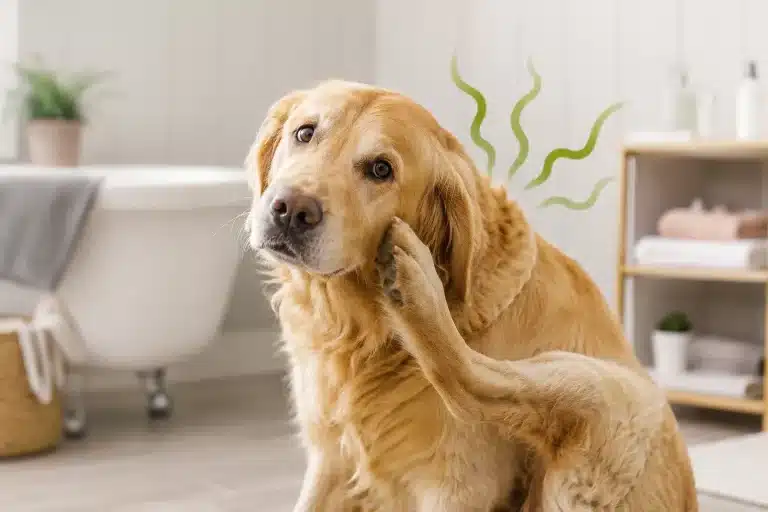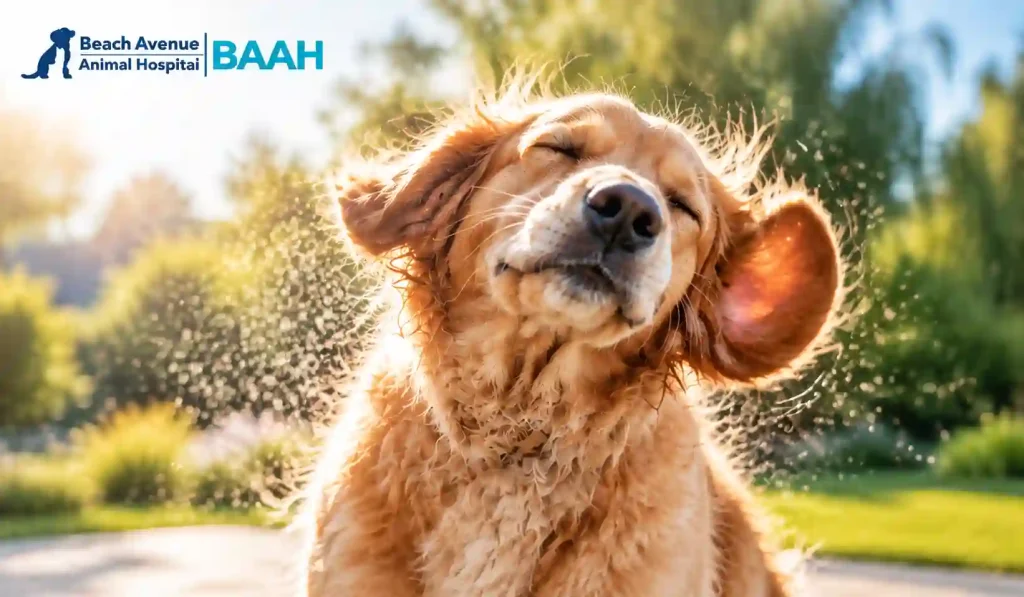
Have you noticed your dog suddenly shaking their head more often than usual?
A quick shake after a walk or bath is usually harmless. However, if your dog is constantly moving their head, scratching their ears, or showing signs of discomfort, it may indicate an underlying health issue that requires attention.
Dog shaking head is one of the most common reasons pet owners schedule veterinary visits, especially when the behavior is combined with ear scratching, redness, odor, or discharge.
In this guide, we will explain why dogs shake their heads, the connection between ear infections and other conditions, available treatments, prevention strategies, and when Vancouver pet owners should contact a professional veterinary team.
Is Dog Shaking Head Normal or a Warning Sign?
Dogs naturally shake their heads for several reasons.
For example, your dog may shake after:
- Swimming
- Bathing
- Playing outdoors
- Waking up
- Feeling something unusual around their ears
However, frequent shaking is different.
If your dog is dog shaking head a lot, especially multiple times throughout the day, it may signal irritation or discomfort inside the ear canal.
Common warning signs include:
| Symptom | Possible Concern |
| Frequent head shaking | Ear irritation or infection |
| Ear scratching | Inflammation or allergies |
| Bad ear odor | Bacterial or yeast infection |
| Redness | Ear inflammation |
| Discharge | Infection or injury |
| Pain when touched | Possible deeper ear problem |
Early recognition can prevent minor irritation from developing into a more serious condition.
Common Causes of Dog Shaking Head
There are several reasons a dog may repeatedly shake their head.
Understanding the cause is important because treatment depends on the underlying problem.
1. Ear Infections
One of the most common causes is an ear infection.
Ear infections are typically caused by:
- Yeast overgrowth
- Bacterial infections
- Excess moisture
- Wax buildup
- Allergies
Although bacteria or yeast may be responsible for the infection itself, they are often secondary problems caused by another condition.
This means treating only the infection may not prevent it from returning.
Signs of Ear Infection in Dogs
Signs Your Dog May Be Suffering from an Ear Infection include:
- Frequent head shaking
- Ear scratching
- Red or swollen ears
- Dark discharge
- Strong odor
- Sensitivity when ears are touched
- Tilting the head to one side
These symptoms should not be ignored because untreated infections can become painful and difficult to manage.
Why Do Dogs Get Ear Infections?
Many pet owners ask:
“Why is my dog shaking his head?”
The answer is not always a simple infection.
In many cases, there is an underlying trigger.
Common Underlying Causes
Environmental Allergies
Dogs can react to environmental factors such as:
- Grass pollen
- Dust mites
- Mold
- Seasonal allergens
Allergies can create inflammation in the ears, making infections more likely.
Moisture Inside the Ear
Dogs that swim frequently or receive regular baths may develop ear problems if moisture remains trapped.
This is especially common in breeds with:
- Floppy ears
- Thick ear hair
- Narrow ear canals
Ear Anatomy
Some breeds naturally have ear structures that reduce airflow.
Examples include:
- Cocker Spaniels
- Basset Hounds
- Retrievers
Reduced airflow can create a warmer, more humid environment where yeast and bacteria can grow.
Wax Buildup
Excess ear wax can trap moisture and microorganisms.
Regular veterinary examinations help identify abnormal buildup before it becomes problematic.
Other Reasons Your Dog May Shake Their Head
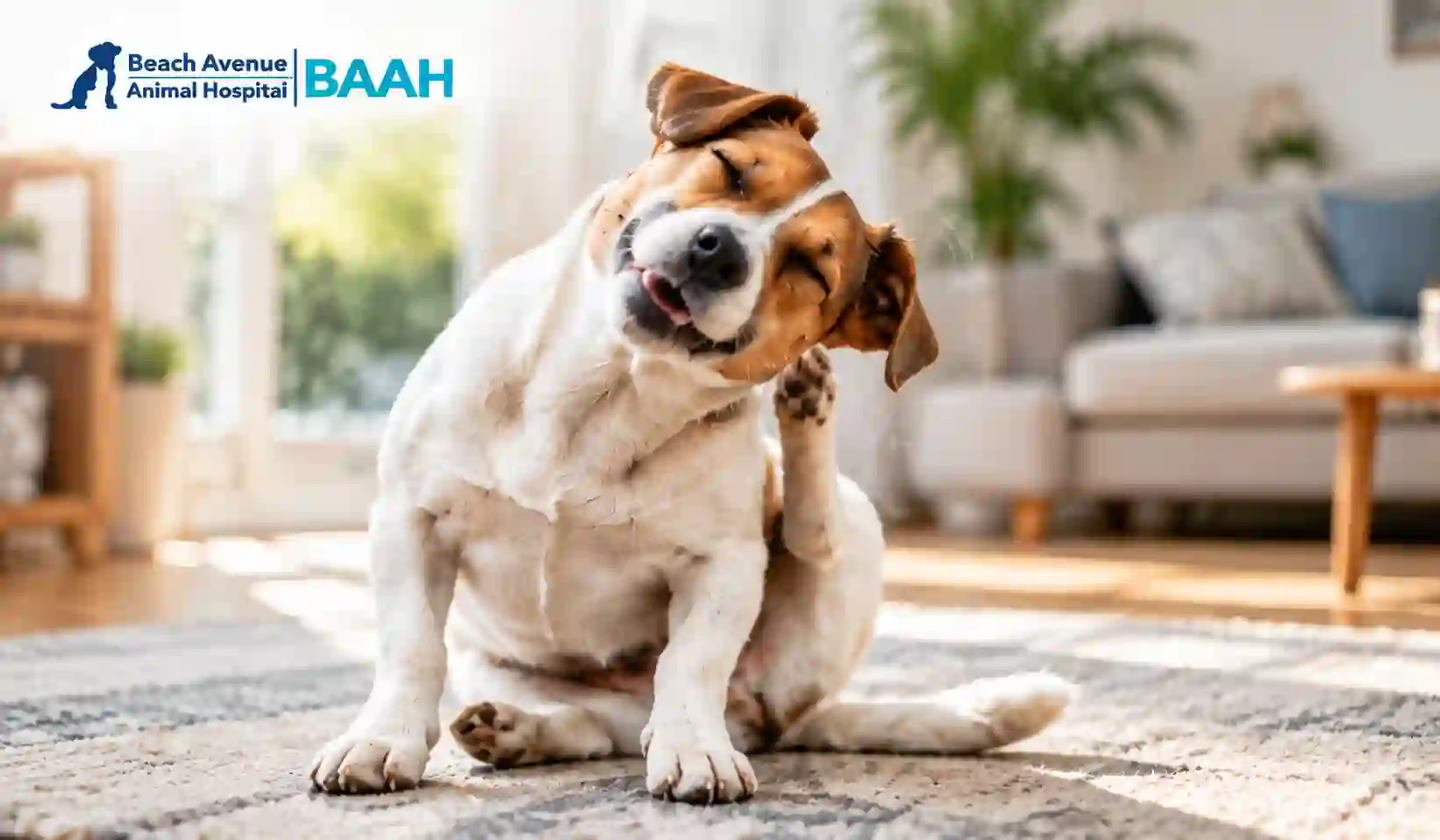
Although ear infections are common, they are not the only possible cause.
Foreign Objects
Dogs exploring outdoors may get objects trapped inside their ears.
Examples include:
- Grass seeds
- Dirt particles
- Small insects
A foreign object can cause sudden discomfort and repeated shaking.
Ear Mites
Ear mites are small parasites that can cause:
- Severe itching
- Dark ear debris
- Scratching
- Head shaking
They are more common in puppies but can affect dogs of any age.
Injury or Trauma
A scratch, bite, or injury around the ear can also cause irritation.
Dogs may shake their heads because movement temporarily relieves discomfort.
When Should You Visit a Veterinarian?
Many owners wait to see if the problem disappears naturally.
However, persistent symptoms should be evaluated by a professional.
You should schedule an appointment if your dog has:
- Head shaking lasting more than a day or two
- Ear discharge
- Strong odor
- Swelling
- Pain
- Balance problems
- Repeated infections
Professional diagnosis is important because different ear conditions require different treatments.
How Veterinarians Diagnose Ear Problems
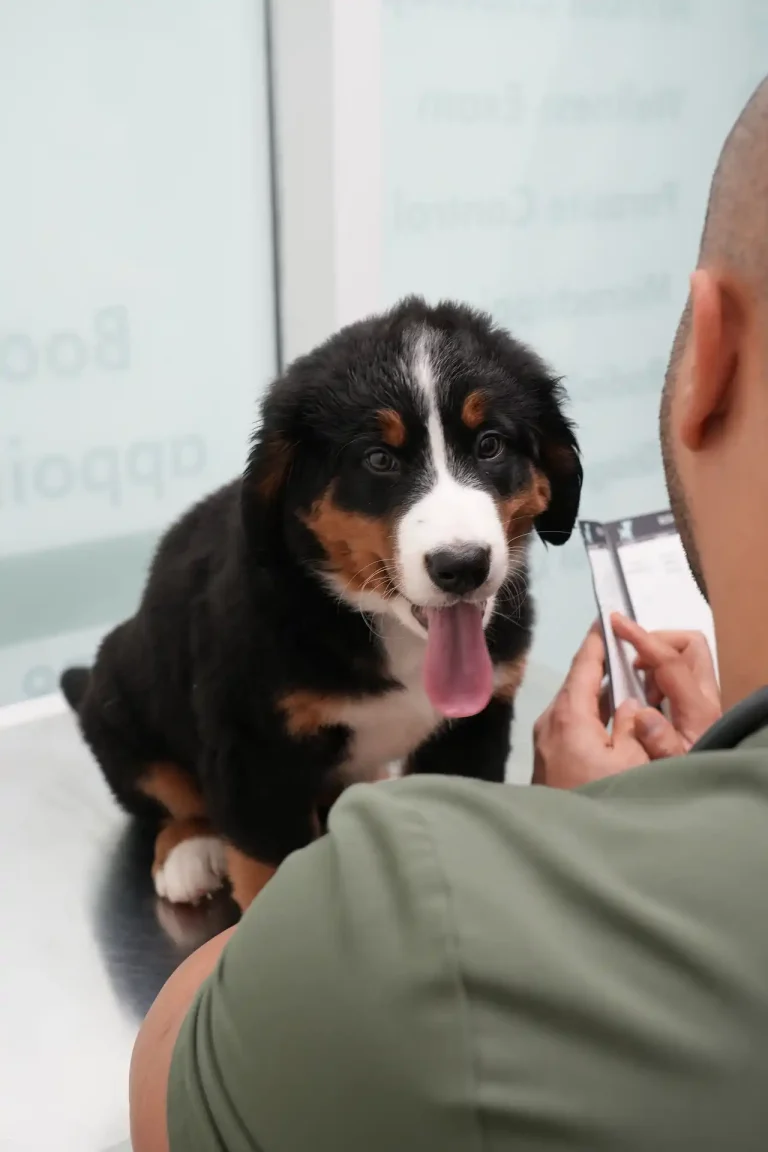
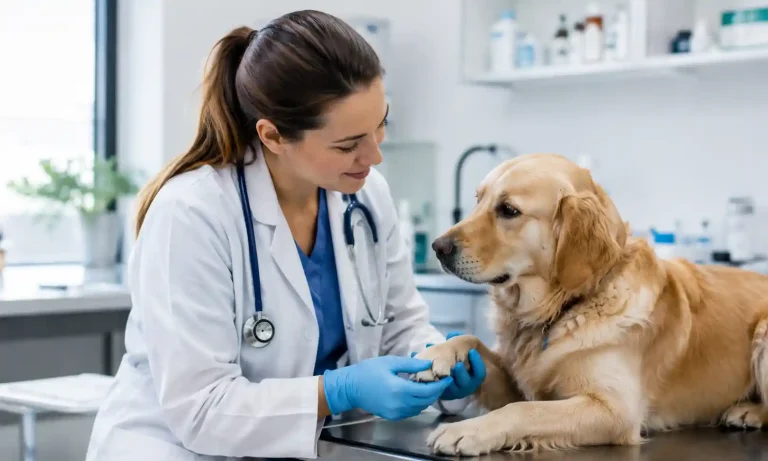
A veterinary examination usually begins with a physical assessment.
The veterinarian may perform:
Ear Examination
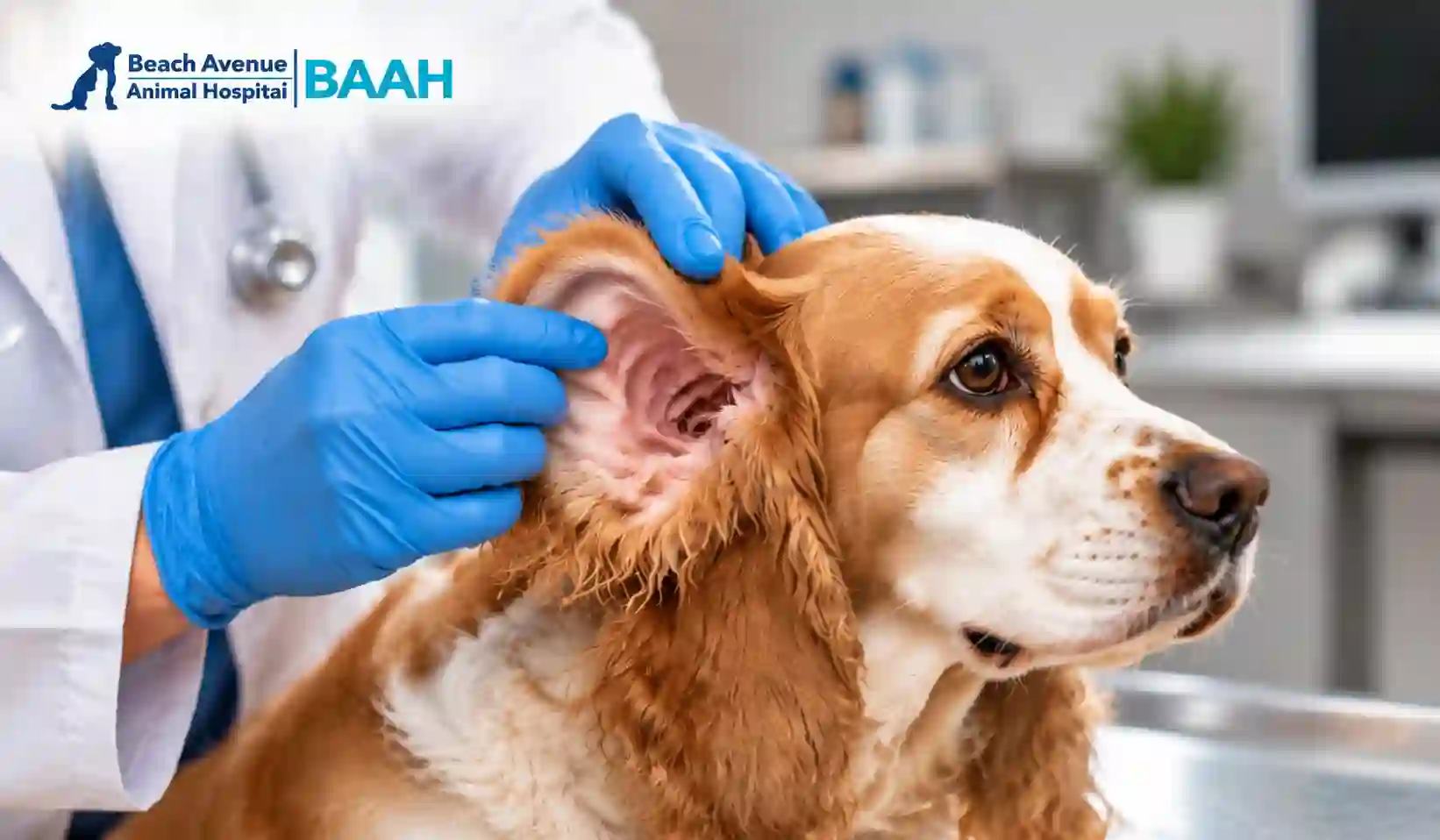
A special instrument called an otoscope allows the veterinarian to examine:
- Ear canal condition
- Inflammation
- Foreign objects
- Eardrum visibility
Ear Cytology
A sample from the ear may be examined under a microscope.
This helps identify:
- Yeast
- Bacteria
- Inflammatory cells
- Parasites
Accurate diagnosis prevents unnecessary treatment and improves recovery.
Treatment Options for Dog Ear Problems
The correct treatment for dog shaking head depends on the diagnosis.
Common treatments include:
Professional Ear Cleaning
Veterinary ear cleaning removes:
- Excess wax
- Debris
- Discharge
This allows medication to work more effectively.
Prescription Ear Drops
Depending on the cause, veterinarians may prescribe:
- Antibiotic medication
- Antifungal medication
- Anti-inflammatory drops
Medication should only be used after proper diagnosis.
Managing Allergies
If allergies contribute to recurring infections, treatment may include:
- Allergy management plans
- Dietary adjustments
- Environmental changes
Addressing the underlying cause is essential for preventing repeated problems.
Can You Treat Dog Ear Problems at Home?
Many pet owners search for dog shaking head a lot home remedy because they want to help their dog feel comfortable quickly.
However, home care should be approached carefully.
Some basic supportive steps may help reduce irritation, but they should not replace professional diagnosis.
Safe Supportive Care
Pet owners can:
- Keep ears dry after swimming
- Follow veterinary cleaning instructions
- Monitor changes in behavior
- Schedule regular wellness examinations
However, avoid putting household products inside your dog’s ears.
Common mistakes include using:
- Vinegar solutions
- Hydrogen peroxide
- Human ear drops
- Essential oils
These products may irritate sensitive ear tissue or worsen the condition.
Why Early Treatment Matters
Ignoring repeated head shaking can allow ear problems to become chronic.
Untreated infections may lead to:
- Persistent pain
- Thickened ear canals
- Recurring infections
- Hearing problems
- More complicated treatments
In severe cases, chronic inflammation can permanently change the structure of the ear canal.
This is why early veterinary care is an important part of preventive veterinary care.
Preventing Ear Infections in Dogs
Prevention is often easier than treating repeated infections.
A simple routine can help maintain ear health.
1. Regular Ear Checks
Pet owners should regularly look for:
- Redness
- Unusual smell
- Excess wax
- Discharge
- Changes in behavior
Early detection allows faster treatment.
2. Keep Ears Dry
After swimming or bathing:
- Dry the outer ear gently
- Avoid inserting cotton swabs deep into the ear
- Follow veterinary recommendations for ear cleaning
3. Manage Allergies
Dogs with recurring ear infections often need allergy management.
A veterinarian may recommend:
- Allergy testing
- Prescription diets
- Medication plans
- Environmental changes
Dog Shaking Head and Scratching Ear: What Does It Mean?
When owners notice dog shaking head and scratching ear, it often indicates irritation inside or around the ear.
The combination of these behaviors is more concerning than occasional head shaking alone.
Possible causes include:
| Behavior | Possible Cause |
| Head shaking + scratching | Ear infection or allergy |
| Head tilt + imbalance | Possible deeper ear issue |
| Scratching + odor | Yeast or bacterial infection |
| Sudden shaking after outdoor activity | Foreign object |
If symptoms continue, a veterinary assessment is recommended.
Why Is My Dog Shaking His Head So Much?
Many owners search online:
“Why is my dog shaking his head so much?”
The answer depends on the individual dog.
Common explanations include:
- Ear infection
- Allergies
- Foreign objects
- Ear mites
- Inflammation
- Excess wax buildup
A veterinarian can determine the exact cause through examination and testing.
Veterinary Care for Dogs in Vancouver
Vancouver pet owners have access to experienced veterinary professionals who provide diagnosis, treatment, and preventive services.
Choosing an experienced clinic helps ensure your dog receives appropriate care based on their specific condition.
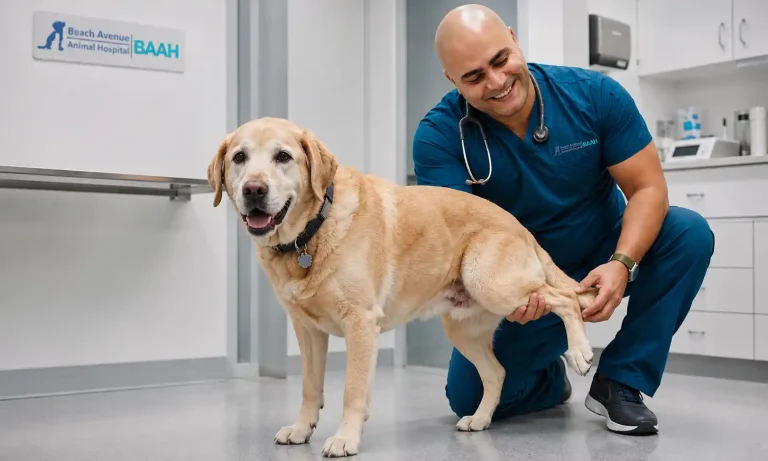
Beach Avenue Animal Hospital provides veterinary services for dogs and cats throughout Vancouver, focusing on compassionate, evidence-based care.
Their veterinary team supports pet owners with:
- Ear infection diagnosis
- General health examinations
- Preventive care
- Vaccination services
- Wellness planning
- Urgent veterinary support
A trusted veterinary relationship allows early detection of health concerns before they become more serious.
Why Professional Veterinary Experience Matters
Experienced Veterinarians in Vancouver understand that symptoms like head shaking are often signs of a larger health picture.
A complete evaluation considers:
- Age
- Breed
- Medical history
- Lifestyle
- Previous infections
- Environmental factors
For example, a young dog with a sudden ear problem may have a different cause compared with an older dog experiencing recurring inflammation.
Supporting Your Dog’s Long-Term Health
Ear health is only one part of overall wellness.
Routine veterinary care helps identify health issues early.
Important areas of preventive care include:
Vaccinations
Keeping vaccinations current protects dogs from preventable diseases.
Regular dog vaccines are an essential part of responsible pet ownership.
Spay and Neuter Services
Many families discuss procedures such as dog spay with their veterinary team to support long-term health planning.
Senior Dog Care
Older dogs require additional attention as their needs change.
Senior pet wellness appointments help monitor:
- Mobility
- Weight changes
- Dental health
- Organ function
- Chronic conditions
Choosing the Right Food for Your Dog’s Health
Nutrition plays an important role in maintaining overall wellness.
A common question among owners is:
Which pet foods are best for senior dogs?
The best choice depends on:
- Age
- Weight
- Activity level
- Medical conditions
- Nutritional needs
Senior dogs may benefit from diets designed to support:
- Joint health
- Healthy weight management
- Digestive function
- Muscle maintenance
A veterinarian can recommend suitable nutrition based on your dog’s individual needs.
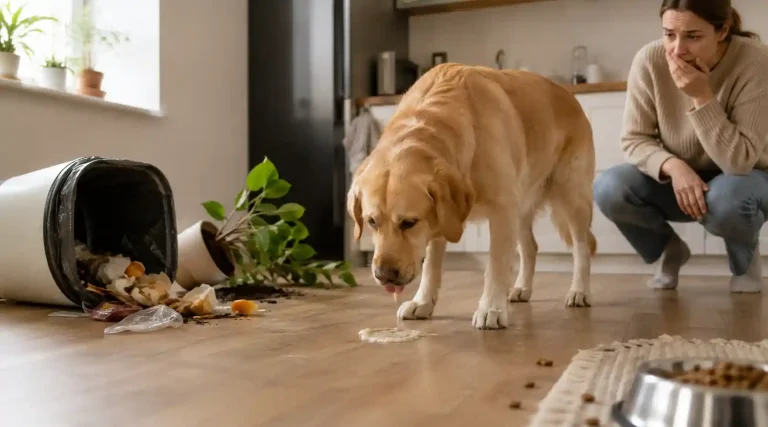
Recognizing Other Signs Your Dog May Need Care
Many owners wonder:
What are the signs of a sick pet?
Possible warning signs include:
- Sudden appetite changes
- Unusual tiredness
- Vomiting or diarrhea
- Breathing changes
- Weight loss
- Behavior changes
- Persistent scratching or discomfort
Early veterinary attention can improve treatment outcomes.
Emergency Situations: When Immediate Care Is Needed
Some symptoms require urgent attention.
Emergency Vet Care in Vancouver may be necessary if your dog experiences:
- Severe pain
- Loss of balance
- Facial swelling
- Difficulty breathing
- Trauma
- Sudden neurological changes
Not every case of head shaking is an emergency, but sudden severe symptoms should always be taken seriously.
Pet Insurance and Veterinary Planning
Unexpected veterinary expenses can be stressful for many families.
Many Canadian pet owners consider pet insurance as a way to prepare for unexpected medical costs.
Insurance options vary, so owners should review available plans carefully and choose coverage that matches their pet’s needs.
Example Case: Recurring Ear Problems in a Vancouver Dog
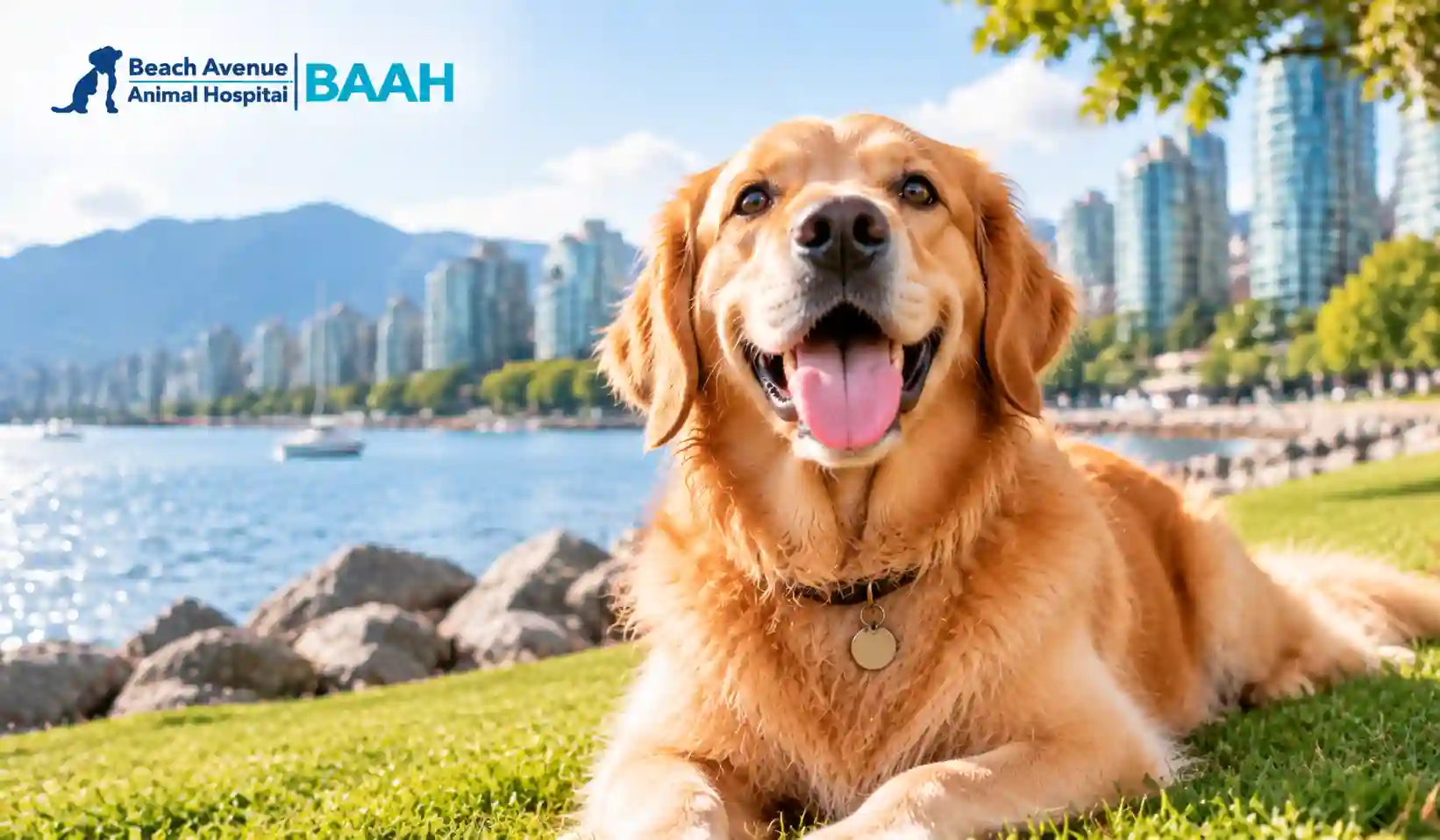
Consider a common scenario:
A Labrador Retriever repeatedly shakes its head after outdoor activities.
Initial signs:
| Observation | Finding |
| Head shaking | Frequent |
| Ear scratching | Daily |
| Odor | Present |
| Discharge | Mild |
A veterinary examination identifies yeast overgrowth linked to moisture and allergies.
Treatment may include:
- Professional ear cleaning
- Prescription medication
- Allergy management
- Follow-up monitoring
The important lesson is that treating the infection alone may not prevent recurrence unless the underlying cause is addressed.
Conclusion: Do Not Ignore Persistent Head Shaking
A dog occasionally shaking their head is usually normal.
However, repeated behavior can be a sign of discomfort, infection, allergies, or another underlying problem.
Understanding dog shaking head symptoms allows owners to take action earlier and prevent complications.
The most important steps are:
- Monitor changes
- Avoid unsafe home treatments
- Seek professional diagnosis
- Follow recommended treatment plans
For Vancouver pet owners, working with a trusted veterinary team such as Beach Avenue Animal Hospital provides confidence that your dog receives appropriate care for ear problems and overall health.
A healthy pet starts with attention, prevention, and timely veterinary support.
Frequently Asked Questions About Dog Shaking Head
1. Why is my dog shaking his head?
Frequent head shaking is often caused by ear infections, allergies, moisture, wax buildup, or irritation inside the ear canal.
2. Can I treat my dog’s ear infection at home?
Most ear infections require proper diagnosis and prescription treatment. Home remedies may worsen irritation or delay recovery.
3. Why does my dog keep getting ear infections?
Recurring infections are often linked to underlying causes such as allergies, moisture, or ear anatomy.
4. Are ear infections painful for dogs?
Yes. Ear infections can cause significant discomfort, itching, inflammation, and pain when touched.
5. When should I take my dog to a veterinarian?
Schedule a visit if symptoms persist, there is odor or discharge, your dog seems uncomfortable, or infections keep returning.