Have you ever watched your dog get up after a nap and suddenly notice they are walking differently? Seeing a dog limping for the first time can be stressful for any pet owner. Even a small change in movement may indicate anything from a minor strain to a more serious orthopedic issue.
Dogs often hide discomfort, which means a limp may sometimes be the first visible sign that something is wrong. Some dogs continue playing, eating, and acting normally even when they have an injury that requires attention.
Understanding why is my dog limping helps owners make better decisions. In this guide, we explain the most common causes of limping, how to identify whether it is a front or back leg problem, when home monitoring is appropriate, and when your dog needs veterinary care.
For pet owners in British Columbia, getting professional advice from experienced veterinarians Vancouver can help prevent small mobility issues from becoming long-term problems.
What Does Dog Limping Usually Mean?
Limping, also called lameness, happens when a dog changes the way they walk because of discomfort, weakness, injury, or reduced movement in one or more legs.
A dog may:
- Avoid putting weight on one leg
- Walk slower than usual
- Hold a paw slightly above the ground
- Take shorter steps
- Shift weight to another side
- Struggle with stairs or jumping
The location of the limp can provide important clues.
For example:
| Type of Limp | Possible Causes |
| Front leg limping | Paw injury, shoulder strain, elbow problems, muscle injury |
| Back leg limping | Cruciate ligament injury, hip problems, arthritis, knee issues |
| Intermittent limping | Mild injury, early arthritis, partial ligament damage |
| Sudden severe limping | Trauma, fracture, serious joint injury |
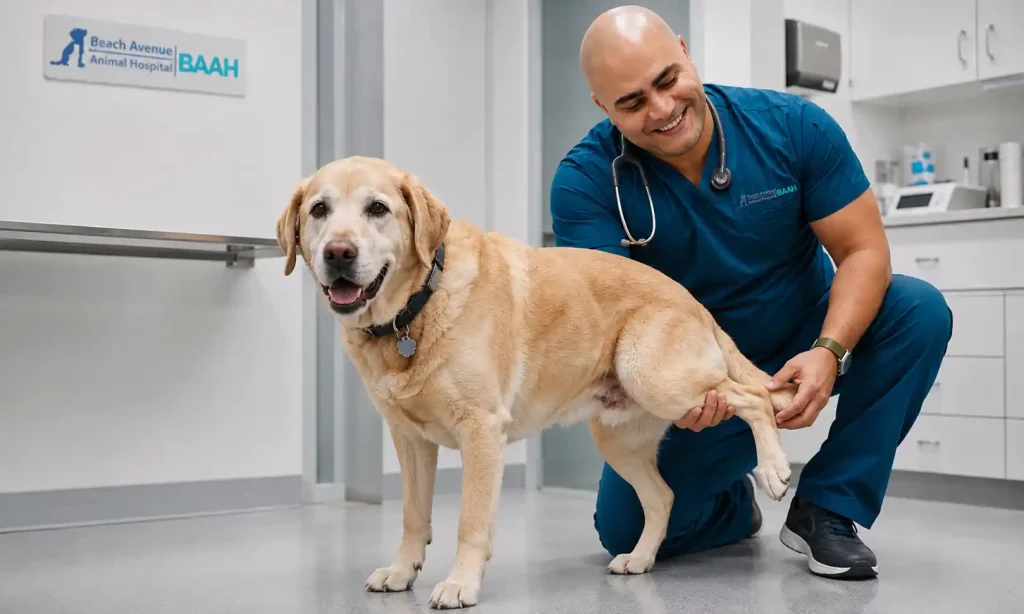
A veterinarian will usually evaluate your dog’s walking pattern, physical condition, joints, and medical history before recommending treatment.
Common Causes of Dog Limping
1. Paw Injuries and Foreign Objects
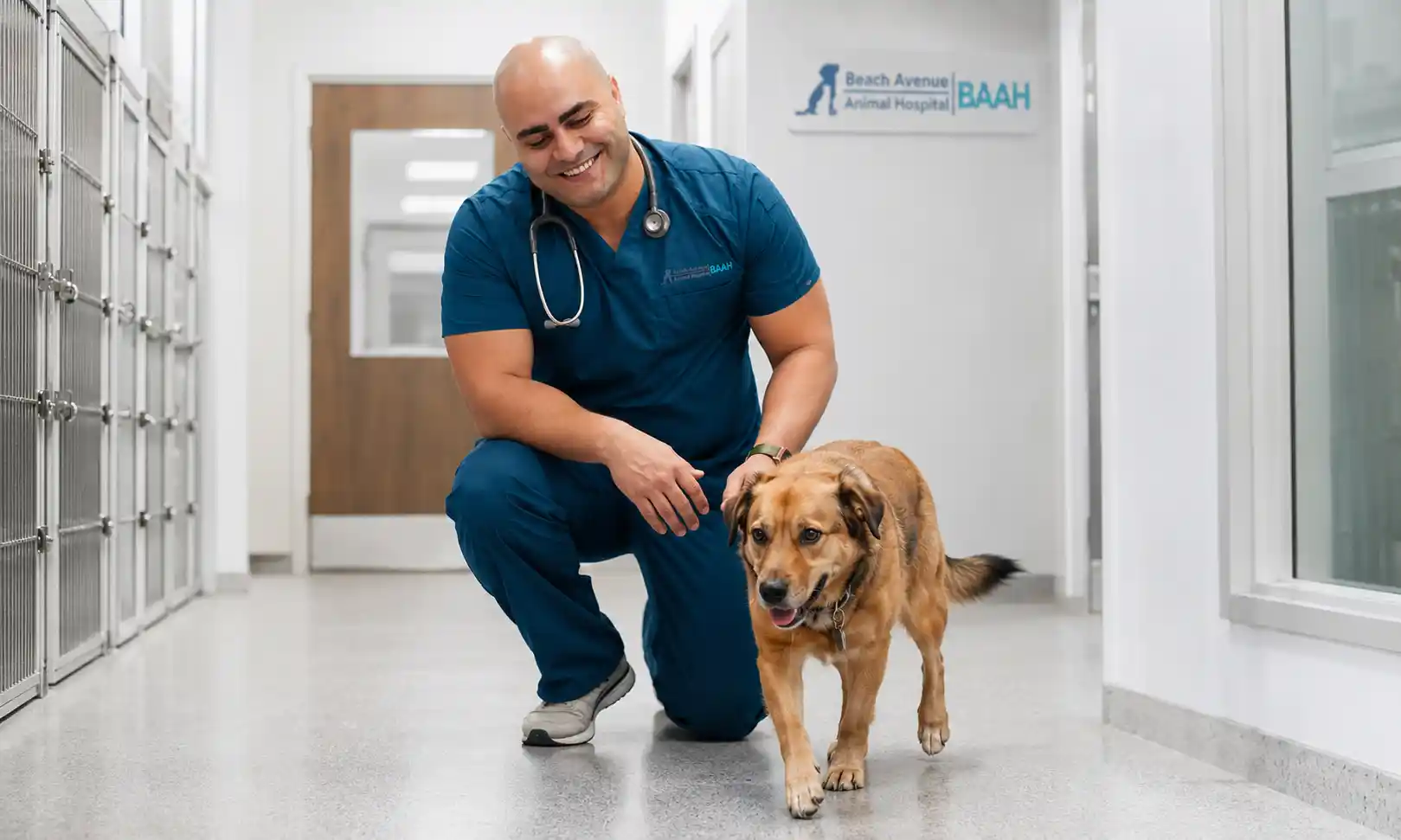
One of the most common reasons for sudden limping is a paw problem.
Dogs regularly walk over different surfaces, including pavement, gravel, grass, and trails. Small objects such as:
- Splinters
- Small stones
- Broken nails
- Grass seeds
- Cuts or burns
can cause discomfort.
A dog may suddenly start limping after a walk but otherwise appear completely normal.
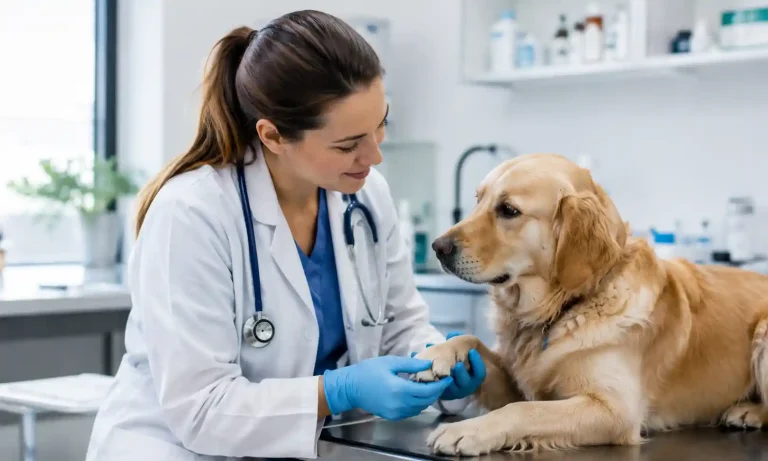
Owners should gently check:
- Between the toes
- Paw pads
- Nails
- Any visible swelling or redness
However, avoid forcing the paw if your dog shows signs of pain.
2. Muscle Strains and Sprains
Active dogs often experience muscle injuries after:
- Running
- Jumping
- Playing aggressively
- Sudden changes in direction
A mild strain may improve with rest, but repeated activity can make the injury worse.
A common example is a dog that runs at the park, appears fine afterward, but starts limping later that evening.
Soft tissue injuries are often difficult to diagnose without experience because there may be no visible wound or swelling.
3. Dog Limping Front Leg: Common Reasons
When owners notice dog limping front leg, the cause is often related to the paw, shoulder, elbow, or muscles.
Common causes include:
Elbow or Shoulder Problems
Large breeds can develop joint conditions that affect movement. Dogs may show:
- Reduced activity
- Difficulty getting up
- Hesitation when climbing stairs
- Shorter walking distance
Paw Problems
Front legs carry a significant amount of a dog’s body weight, making paw injuries especially noticeable.
Muscle Injury
A pulled muscle may cause temporary limping, especially after exercise.
If your dog continues favoring the same leg after rest, veterinary assessment is recommended.
Dog Limping Back Leg: Why Rear Leg Problems Are Common
Many owners search for a dog limping back leg because rear limb issues are especially common in dogs.
The back legs contain several important structures:
- Knees
- Hip joints
- Ligaments
- Muscles
- Tendons
A dog that suddenly avoids using a back leg may have an injury requiring attention.
Cruciate Ligament Injuries
One of the most recognized causes of back leg limping is cranial cruciate ligament (CCL) disease.
This condition is similar to an ACL injury in humans. The ligament helps stabilize the knee joint, and damage can lead to instability, pain, and arthritis development.
Signs may include:
- Sudden limping
- Difficulty standing up
- Avoiding stairs
- Swelling around the knee
- Reduced activity
Some dogs experience gradual ligament weakening rather than one obvious accident.
Arthritis and Joint Degeneration
Older dogs commonly develop arthritis, but it can also affect younger dogs after injuries or joint abnormalities.
Signs include:
- Stiffness after sleeping
- Slower walks
- Difficulty jumping
- Reluctance to play
- Occasional limping
Many owners think their dog is “just getting older,” but mobility changes should still be evaluated.
Early management can help improve comfort and maintain quality of life.
Hip Problems
Hip dysplasia and other hip conditions can affect how dogs move.
A dog with hip discomfort may:
- Use both back legs differently
- Walk with a “bunny hopping” motion
- Avoid running
- Struggle to rise from the floor
Diagnosis may require physical examination and imaging such as X-rays.
When Is Dog Limping Not Serious?
Not every limp means your dog has a major injury. In some cases, a mild limp can improve with proper rest and observation.
For example, a dog that runs excessively at the park may develop a temporary muscle strain. Similarly, a small paw irritation from walking on rough ground may resolve after the source of irritation is removed.
However, even mild limping should be monitored carefully because dogs often continue normal activities despite discomfort.
You may briefly monitor your dog at home if:
- The limp is mild
- Your dog can still put weight on the leg
- There is no visible swelling
- Your dog is eating, drinking, and behaving normally
- Symptoms improve with rest
A common recommendation is to reduce activity for 24 to 48 hours while observing changes.
During this period:
- Avoid running and jumping
- Keep walks short and controlled
- Check paws for visible injuries
- Prevent rough play with other dogs
If your dog improves during this time, continue a gradual return to normal activity.
However, if the limp continues, worsens, or returns repeatedly, a veterinary examination is recommended. Limping can involve muscles, joints, bones, ligaments, or even neurological issues, making professional assessment important.
My Dog Is Limping But Shows No Sign of Pain: Should I Worry?
Many owners search “my dog is limping but shows no sign of pain” because their pet appears completely normal.
Your dog may still:
- Eat normally
- Play with toys
- Wag their tail
- Allow you to touch the leg
- Act happy
However, dogs naturally hide weakness and discomfort. In the wild, showing vulnerability can make animals appear less protected, so many pets do not display obvious pain signs.
A subtle limp can sometimes be the earliest indication of:
- Early arthritis
- Mild ligament injury
- Joint inflammation
- Small paw injuries
- Muscle strain
For example, an older Labrador may still want to play but develop a slight back leg limp because of early joint degeneration.
The key question is not only “Does my dog seem painful?” but also:
“Has my dog’s normal movement changed?”
Any repeated change in walking pattern deserves attention.
When Should You See a Veterinarian for Dog Limping?
Knowing when to wait and when to seek help can prevent unnecessary discomfort and possible complications.
You should schedule a veterinary visit if:
- Limping continues longer than 48 hours
- Your dog repeatedly favors the same leg
- The limp becomes worse
- Your dog avoids stairs or jumping
- There is swelling around a joint
- Your dog seems tired or less active
- Your dog cannot walk normally
A veterinarian will usually begin with a physical and orthopedic examination. Depending on the findings, they may recommend additional diagnostics such as:
- X-rays
- Joint evaluation
- Blood tests
- Advanced imaging
These tests help identify whether the problem is related to soft tissue, bones, joints, or other conditions.
Is Sudden Dog Limping an Emergency?
Sudden limping requires more attention, especially when your dog cannot use the affected leg.
Seek urgent veterinary care if your dog:
- Cannot put any weight on the leg
- Has a visibly swollen limb
- Has an obvious injury
- Cries or reacts strongly when moving
- Has a leg positioned abnormally
- Shows signs of severe discomfort
For example, a dog that suddenly stops during a walk, cries out, and refuses to place weight on a back leg may have a serious ligament injury.
A torn cruciate ligament is one possible cause of sudden hind-leg lameness. This condition affects knee stability and may eventually contribute to arthritis if not properly managed.
Chronic Dog Limping: What Long-Term Symptoms Can Mean
Some dogs do not suddenly become lame. Instead, owners notice gradual changes over weeks or months.
Signs of chronic mobility issues include:
- Slower walking pace
- Difficulty getting up
- Less interest in playing
- Stiffness after sleeping
- Avoiding stairs
- Occasional limping after exercise
Chronic limping may be linked to:
Arthritis
Osteoarthritis is one of the most common causes of long-term mobility changes, especially in senior dogs.
Management may include:
- Weight control
- Exercise adjustments
- Veterinary-approved supplements
- Pain management
- Physical rehabilitation
Previous Injuries
An old injury that appeared to heal may continue affecting joint stability.
For example, a dog with an untreated ligament injury may develop changes in the knee joint over time.
Developmental Conditions
Some dogs develop joint conditions when they are young, including hip or elbow problems.
Large breeds are particularly monitored for orthopedic issues because of their size, growth rate, and increased stress on joints.
What Should You Do at Home If Your Dog Is Limping?
If your dog has a mild limp and no emergency symptoms, simple supportive care can help.
1. Limit Physical Activity
Rest is one of the most important first steps.
Avoid:
- Long walks
- Running
- Jumping on furniture
- Stairs when possible
A calm environment allows minor injuries to recover.
2. Check the Paw Carefully
Before assuming the problem is a joint issue, inspect the paw.
Look for:
- Cuts
- Broken nails
- Swelling
- Foreign objects
- Redness between toes
Some dogs develop limping because of a small object stuck in the paw.
3. Do Not Give Human Pain Medication
Never give medications such as:
- Ibuprofen
- Acetaminophen
- Aspirin
unless specifically instructed by a veterinarian.
Some human medications can be dangerous or toxic for dogs.
How Veterinarians Diagnose a Limping Dog
A proper diagnosis usually starts with understanding the complete picture.
During an appointment, the veterinarian may ask:
| Question | Why It Matters |
| When did the limp start? | Helps identify sudden injury or chronic disease |
| Which leg is affected? | Narrows possible causes |
| Did it happen after exercise? | May indicate strain or trauma |
| Is it worse after rest? | Common with some joint conditions |
| Has behavior changed? | Helps evaluate discomfort level |
The physical examination may include:
- Watching your dog walk
- Checking joint movement
- Feeling muscles and bones
- Evaluating swelling
- Testing stability
In some cases, imaging is needed to identify hidden problems.
For example, X-rays may help detect fractures or arthritis changes, while other imaging methods may be considered for soft tissue injuries.
Supporting Your Dog’s Joint Health in Canada
Canadian pet owners often deal with seasonal challenges that can affect mobility.
Cold weather, slippery surfaces, and reduced winter activity may contribute to stiffness, especially in older dogs.
Helpful habits include:
- Maintaining a healthy weight
- Providing regular controlled exercise
- Using supportive flooring at home
- Scheduling routine veterinary checkups
Preventive care also plays an important role.
A trusted animal hospital Vancouver such as Beach Avenue Animal Hospital can help with routine wellness care, mobility concerns, vaccinations, dental health, and early detection of health issues.
Pet owners looking for preventive services may also require support from a dog vaccination clinic, especially for maintaining protection against common diseases.
Other common veterinary services include procedures such as dog neuter, dental evaluations with a dog dentist Vancouver, and general health monitoring.
Other Dog Health Concerns Owners Commonly Search
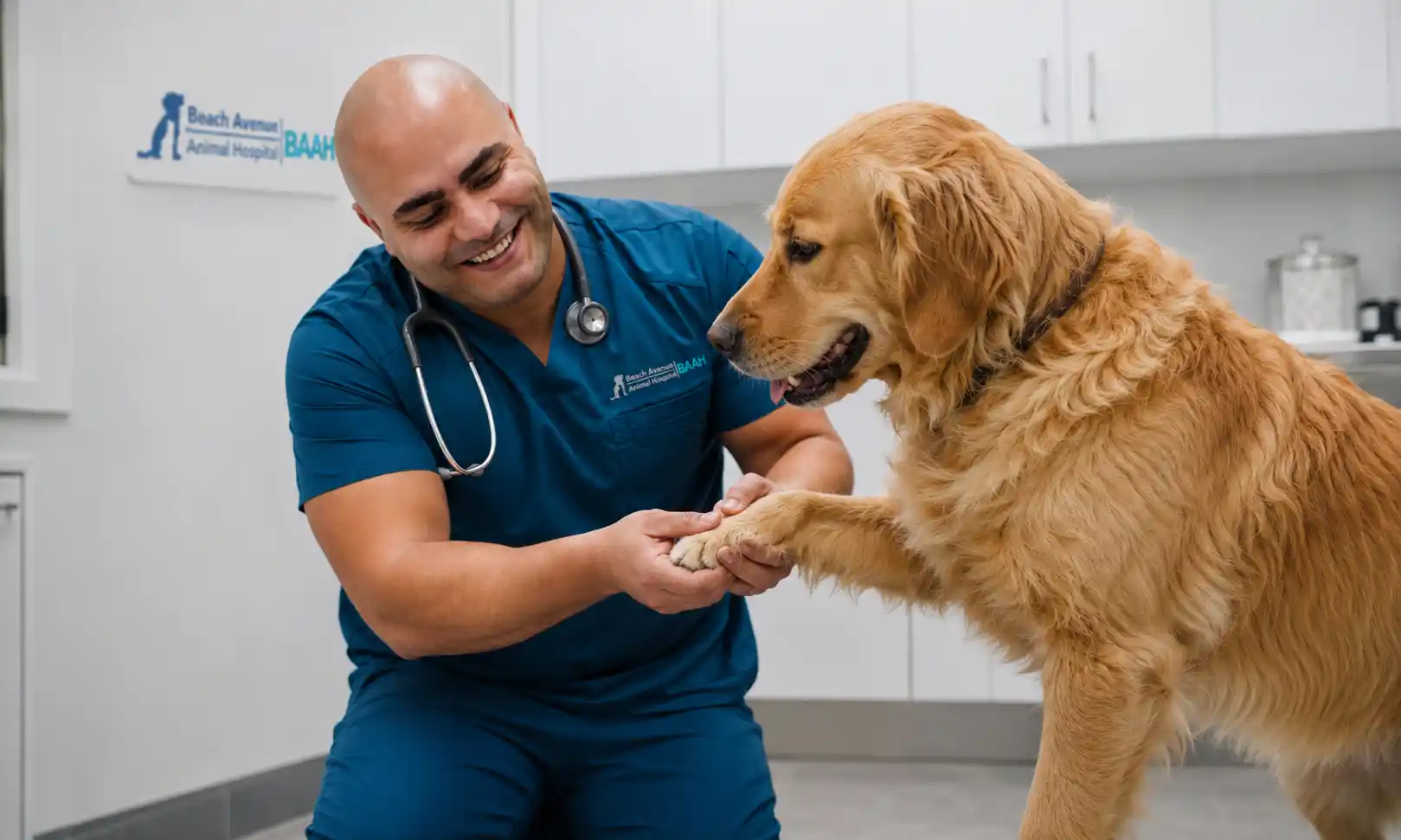
While researching mobility issues, many owners also look into other symptoms.
For example:
- Dog Diarrhea may indicate dietary issues, infections, or digestive problems.
- Why Is My Dog Vomiting? is another common concern that may require veterinary guidance if symptoms continue.
- Dog Keeps Licking Paw? can sometimes be related to allergies, irritation, or injury.
- Why Does My Dog Smell Bad? may indicate dental problems, skin conditions, or infections.
Understanding changes in your dog’s behavior and body language helps you identify problems earlier.
Treatment Options for Dogs With Limping Problems
The right treatment for dog limping depends entirely on the underlying cause. A minor paw injury may only require rest, while a ligament injury or joint condition may need a more structured treatment plan.
Veterinarians typically focus on reducing discomfort, improving mobility, and preventing the condition from becoming worse.
Common treatment approaches include:
| Cause of Limping | Possible Treatment Approach |
| Minor paw injury | Cleaning, removing foreign objects, rest, monitoring |
| Muscle strain | Activity restriction, controlled exercise, veterinary-approved medication |
| Arthritis | Weight management, joint support, pain management, rehabilitation |
| Ligament injury | Medication, rehabilitation, or surgical options depending on severity |
| Fracture | Stabilization, casting, surgery, or strict recovery protocols |
Every dog is different. Factors such as age, breed, weight, activity level, and overall health influence the best treatment decision.
For example, a young active dog with a sudden injury may require a different approach compared with a senior dog experiencing gradual arthritis-related stiffness.
Rehabilitation and Physical Therapy for Limping Dogs
Veterinary rehabilitation has become increasingly common for dogs recovering from injuries or managing chronic mobility problems.
A rehabilitation program may include:
- Controlled strengthening exercises
- Range-of-motion movements
- Hydrotherapy
- Balance training
- Weight management support
These approaches can help improve muscle strength and reduce pressure on affected joints.
For dogs recovering from orthopedic procedures, rehabilitation can play an important role in returning to normal movement.
A common example is a dog recovering from a cruciate ligament injury. Strengthening the surrounding muscles may help support the knee and improve long-term mobility.
How to Prevent Future Limping Problems
While not every injury can be prevented, many mobility problems can be reduced with good daily care.
Maintain a Healthy Weight
Extra weight places additional stress on:
- Knees
- Hips
- Elbows
- Spine
According to veterinary health guidelines, maintaining an ideal body condition is one of the most effective ways to support joint health throughout a dog’s life.
A healthy-weight dog generally has:
- Visible waist definition
- Ribs that can be felt without excessive pressure
- Normal energy levels
Provide Regular, Safe Exercise
Dogs need movement, but the type and amount of exercise should match their age and physical condition.
Helpful activities include:
- Daily walks
- Controlled play sessions
- Swimming when appropriate
- Gentle strength-building activities
However, sudden increases in exercise can increase injury risk.
For example, a dog that normally walks 20 minutes daily should not suddenly run several kilometers without conditioning.
Schedule Routine Veterinary Checkups
Regular examinations help identify problems before they become serious.
During wellness visits, veterinarians can evaluate:
- Joint mobility
- Body condition
- Muscle development
- Early signs of discomfort
Early detection is especially valuable for senior dogs and breeds more likely to experience orthopedic conditions.
Dog Limping Case Example: Early Action Makes a Difference
Consider a common situation:
A 7-year-old Labrador Retriever begins showing mild rear leg stiffness after walks. The owner notices my dog is limping on back leg, but the dog still plays normally and does not cry.
At first, it seems minor.
However, after a veterinary examination, early joint changes are identified. Through weight management, adjusted exercise, and a treatment plan, the dog’s mobility improves.
This example shows why noticing small changes matters.
Dogs do not always show obvious pain. A slight movement change can provide important information about their health.
Understanding Different Types of Dog Limping
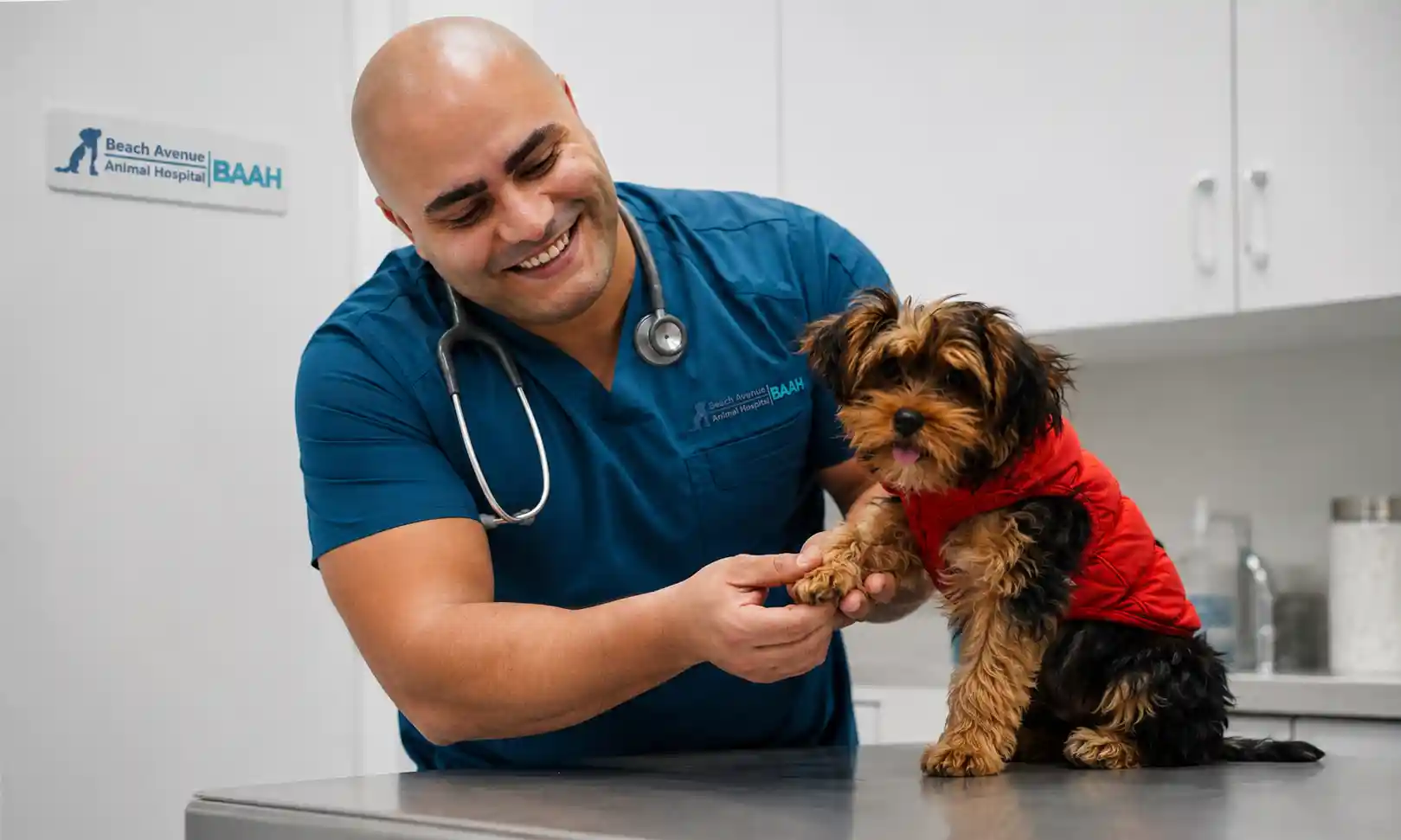
Not all limps look the same. Paying attention to the pattern can help your veterinarian understand the possible cause.
Temporary Limping
Usually linked to:
- Minor strains
- Small paw injuries
- Overactivity
Often improves with rest.
Repeated Limping
May indicate:
- Early arthritis
- Joint instability
- Chronic injury
Should be evaluated if it continues.
Progressive Limping
A limp that slowly worsens over time may suggest a more significant condition requiring veterinary assessment.
When Your Dog Needs Immediate Veterinary Attention
Some symptoms should never be ignored.
Contact a veterinarian quickly if your dog:
- Cannot walk normally
- Refuses to put weight on the leg
- Has sudden swelling
- Shows severe discomfort
- Has experienced trauma
- Becomes unusually quiet or inactive
Emergency situations are less common, but fast action can significantly improve outcomes when serious injuries occur.
Common Questions Owners Ask About Dog Limping
-
Can a dog limp and still be okay?
Yes, mild limping can sometimes improve with rest, especially after minor strains or paw irritation. However, persistent or worsening limping should always be checked by a veterinarian.
-
How long should I wait before seeing a vet?
If the limp lasts more than 48 hours, becomes worse, or your dog cannot comfortably walk, professional evaluation is recommended.
-
Can arthritis cause dog limping?
Yes. Arthritis is a common cause of chronic limping, especially in older dogs. Early management can help maintain comfort and mobility.
-
Why is my dog limping but acting normal?
Some dogs continue normal behavior even when they have an injury or joint problem. A mild limp should be monitored, but ongoing changes in movement should be evaluated.
-
Should I walk my dog if they are limping?
Short, controlled walks may be acceptable for mild cases, but running, jumping, and intense activity should be avoided until the cause is clearer.
-
Can a dog recover from limping without treatment?
Some minor injuries improve with rest, but limping caused by ligament injuries, arthritis, or fractures usually requires veterinary guidance.
-
Why is my dog limping on back leg?
Rear leg limping may be caused by knee injuries, hip problems, muscle strains, arthritis, or ligament damage. A veterinarian can determine the exact cause.
-
What should I do if my dog suddenly cannot use a leg?
Sudden inability to use a leg may indicate a serious injury. Contact a veterinarian as soon as possible for evaluation.
Conclusion: Pay Attention to Changes in Your Dog’s Movement
Seeing dog limping can be concerning, but understanding the possible causes helps you respond appropriately.
Some cases involve simple issues like paw irritation or minor strains, while others may involve joints, ligaments, or chronic conditions requiring professional care.
The most important steps are:
- Observe changes in movement
- Limit activity when needed
- Avoid human medications
- Seek veterinary advice when symptoms continue or worsen
Dogs rely on their owners to notice small changes. A simple change in walking pattern may be the first sign that your pet needs support.
For families in Vancouver and surrounding areas, working with experienced veterinary professionals such as Beach Avenue Animal Hospital can help ensure your dog receives proper evaluation, preventive care, and treatment when mobility concerns appear.
A healthy dog is an active, comfortable companion, and early attention to mobility changes can make a meaningful difference in their quality of life.