Understanding plaque vs tartar in dogs is essential for protecting your pet’s teeth, gums, and overall oral health. Both plaque and tartar can contribute to dental problems, but they are not the same. Plaque is a soft, sticky bacterial film that forms on teeth every day, while tartar is hardened plaque that cannot be effectively removed through regular brushing.
If your dog has yellow or brown deposits on their teeth, persistent bad breath, or red gums, dental buildup may already be affecting their oral health. Recognizing the difference between plaque and tartar can help you determine when home care is sufficient and when professional veterinary treatment is necessary.
At Beach Avenue Animal Hospital in Vancouver, we encourage pet owners to recognize early signs of dental disease and take preventive steps before more serious problems develop.
What Is the Difference Between Plaque and Tartar in Dogs?
The main difference between plaque and tartar in dogs is their composition and how they are removed.
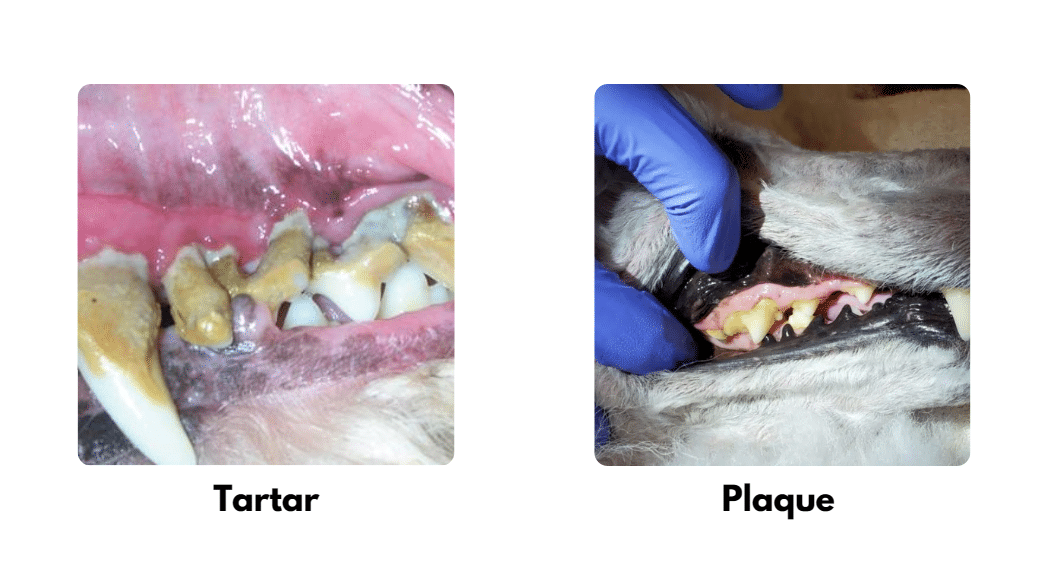
Plaque is a soft, sticky biofilm containing bacteria that continuously develops on tooth surfaces. Without regular cleaning, minerals in saliva gradually harden plaque into tartar, also called dental calculus.
Tartar is a hard, mineralized deposit that accumulates particularly around the gumline. Its rough surface can encourage further plaque accumulation and contribute to gum inflammation.
Plaque vs Tartar in Dogs: Comparison Table
| Feature | Plaque | Tartar |
|---|---|---|
| Appearance | Colorless, whitish, or pale yellow film | Yellow, brown, or darker hardened deposits |
| Texture | Soft and sticky | Hard and rough |
| Formation | Develops continuously on teeth | Forms when plaque mineralizes |
| Main concern | Bacteria can irritate gums | Creates a rough surface that encourages additional plaque buildup |
| Removal | Regular toothbrushing | Professional dental scaling |
| Home prevention | Daily brushing and appropriate dental products | Preventing plaque accumulation and maintaining veterinary dental care |
| Veterinary treatment | May require cleaning when associated with dental disease | Professional removal and assessment of gum health |
The most important takeaway is that plaque can often be managed through consistent home care, while established tartar generally requires professional removal.
How Does Plaque Turn Into Tartar on Dog Teeth?
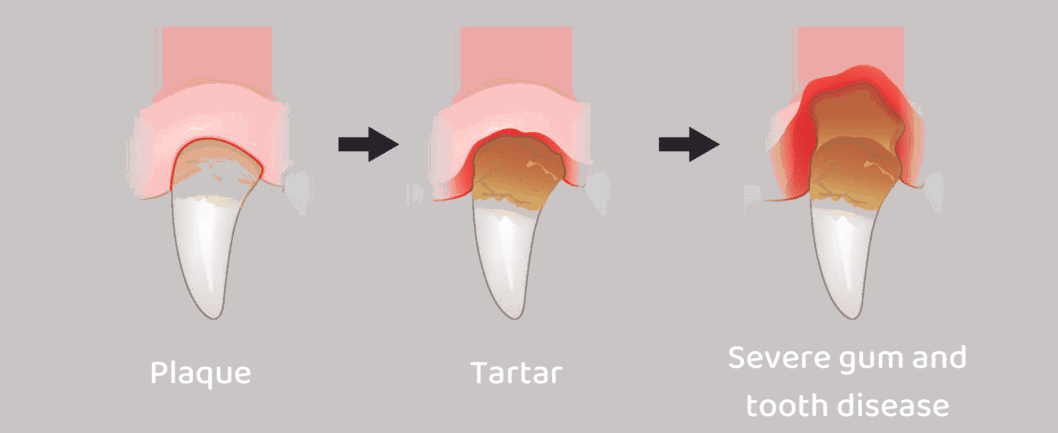
Plaque begins forming shortly after a dog’s teeth are cleaned. Bacteria in the mouth attach to tooth surfaces and develop into a sticky film.
When plaque remains on the teeth, minerals from saliva can gradually harden it into tartar. This process may begin within days, although the rate varies between dogs. Regular dental checkups with a dog dentist in Vancouver can help identify early signs of plaque buildup and support your dog’s long-term oral health.
Tartar commonly develops along the gumline and on the outer surfaces of the upper back teeth.
Several factors can influence how quickly buildup develops:
- Inconsistent toothbrushing: Allows plaque to remain on tooth surfaces.
- Breed and jaw structure: Small and short-muzzled dogs may have crowded teeth that make cleaning more difficult.
- Age and dental history: Older dogs may have accumulated more dental disease over time.
- Diet and dental products: Specially formulated dental diets and effective dental chews may help reduce buildup.
- Individual susceptibility: Tooth alignment, saliva composition, and existing oral health affect plaque and tartar accumulation.
Ordinary dry kibble does not necessarily clean teeth effectively. Veterinary dental diets are specifically designed to help control plaque or tartar and should be selected with professional guidance.
How to Identify Plaque vs Tartar on Your Dog’s Teeth
A quick visual inspection may help you notice changes in your dog’s mouth, although some dental problems develop below the gumline and cannot be seen at home.
Signs of Plaque Buildup
- A thin, sticky coating on the teeth
- Mild gum irritation
- Increasing mouth odour
- Buildup along the gumline
Signs of Tartar Buildup
- Yellow or brown deposits near the gums
- Rough, hardened material on tooth surfaces
- Persistent unpleasant breath
- Redness or swelling around affected teeth
Tartar is often easier to recognize because of its distinctive colour and hard texture.
However, the amount of visible tartar does not always indicate the severity of dental disease. A dog can have significant problems below the gumline even when the visible teeth appear relatively clean.
If you notice changes in chewing, drooling, gum appearance, or appetite, explore these common Dog Teeth Problems and arrange a veterinary examination when appropriate.
What Are the Stages of Dental Disease in Dogs?
Dental disease can progress gradually, and dogs may continue eating normally even when their mouths are uncomfortable.
Stage 1: Early Plaque Accumulation and Gingivitis
Plaque accumulates around the gumline and may cause mild redness or inflammation. Gingivitis can often improve with appropriate dental treatment and consistent preventive care.
Stage 2: Early Periodontal Disease
Bacteria and inflammation begin damaging the tissues that support the teeth. Early attachment or bone loss may occur, even when visible symptoms appear mild.
Stage 3: Moderate Periodontal Disease
The structures surrounding the teeth experience more substantial damage. Gum recession, periodontal pockets, and tooth mobility may develop.
Stage 4: Advanced Periodontal Disease
Severe damage to the tooth-supporting tissues can result in significant pain, loose teeth, infection, and tooth loss.
Plaque and tartar accumulation contribute to periodontal disease, but the amount of tartar alone does not determine the stage. A veterinarian may need dental X-rays and examination under anesthesia to assess the extent of the disease.
What Happens If Plaque and Tartar Are Left Untreated?
Without appropriate dental care, bacterial plaque can trigger persistent gum inflammation and contribute to periodontal disease.
Potential complications include:
- Gingivitis: Red, swollen, or bleeding gums.
- Periodontal disease: Damage to the tissues and bone supporting the teeth.
- Oral pain: Discomfort during chewing or when the mouth is touched.
- Tooth loss: Advanced periodontal damage may make teeth unstable.
- Dental infections: Serious oral disease may lead to infection or abscess formation.
Periodontal disease has also been associated with changes in other organs, although the relationship between dental disease and systemic illness is complex.
One of the earliest warning signs is persistent unpleasant breath. Understanding the connection between oral bacteria and Bad Breath in Dogs can help owners recognize when a dental examination may be necessary.
Can You Remove Plaque and Tartar From Dog Teeth at Home?
You can help remove soft plaque through regular brushing, but hardened tartar requires professional dental treatment.
Daily brushing with a soft-bristled toothbrush and dog-specific toothpaste is the most effective routine home-care method for reducing plaque buildup.
Additional options may include:
- Veterinary-approved dental chews
- Dental diets designed to reduce plaque or tartar
- Appropriate dental wipes
- Veterinary-recommended oral gels or water additives
Products recognized by the Veterinary Oral Health Council (VOHC) can be useful when selected for your dog’s individual needs.
Avoid scraping hardened tartar from your dog’s teeth with household tools. Doing so can damage gums, injure the mouth, and leave untreated disease beneath the gumline.
Human toothpaste should also be avoided because some formulations contain ingredients that are unsafe for dogs.
If your dog has significant tartar buildup or signs of gum disease, schedule a veterinary dental assessment before relying on home products.
Professional Dental Cleaning vs Home Dental Care for Dogs
Both professional cleaning and home dental care are important, but they serve different purposes. Understanding when each is appropriate can prevent dental problems from becoming more serious.
| Dental Care Method | What It Helps With | Can It Remove Hardened Tartar? | When Is It Recommended? |
|---|---|---|---|
| Daily toothbrushing | Removes soft plaque and helps prevent buildup | No | Ideally every day, when the mouth is comfortable |
| Dental chews | May reduce plaque and tartar accumulation | Not reliably | As a supplement to brushing |
| Veterinary dental diets | Help control plaque or tartar through specialized formulations | Not reliably | When recommended by a veterinarian |
| Dental wipes and gels | May help reduce soft plaque | No | When suitable for the dog |
| Professional dental cleaning | Removes plaque and tartar above and below the gumline | Yes | Based on examination and individual dental health |
| Dental examination with X-rays | Identifies hidden disease and evaluates tooth-supporting structures | Not itself a cleaning | When clinically indicated |
Why Professional Dental Cleaning Is Different
A professional veterinary dental procedure allows the veterinary team to evaluate areas that cannot be properly examined or cleaned at home.
A comprehensive procedure may include:
- An oral examination and anesthetic assessment.
- General anesthesia with appropriate monitoring.
- Scaling above and below the gumline.
- Polishing tooth surfaces.
- Dental X-rays when indicated to assess hidden disease.
- Additional treatment when damaged or infected teeth are identified.
Anesthesia-free cosmetic scaling does not replace comprehensive veterinary dental care because it cannot adequately evaluate or treat disease beneath the gumline.
If your dog has visible tartar, inflamed gums, or ongoing mouth discomfort, professional Dental Cleaning may be necessary to restore oral health and reduce the risk of further complications.
Why Early Dental Care Can Prevent More Serious Problems
Early intervention can make dental care easier and more manageable for both dogs and their owners. Removing soft plaque regularly may reduce the accumulation of hardened tartar, while routine veterinary examinations can identify gum inflammation before substantial periodontal damage develops. Because dogs often hide oral discomfort, waiting until they refuse food or develop severe bad breath may allow a treatable condition to progress. Establishing preventive habits early, especially in small breeds and dogs prone to dental disease, can help maintain healthier teeth and gums throughout their lives.
How to Prevent Plaque and Tartar Buildup in Dogs
Preventing excessive plaque accumulation is easier than treating advanced periodontal disease.
1. Brush Your Dog’s Teeth Daily
Use a dog-specific toothbrush and veterinary-approved toothpaste. Focus on the outer surfaces of the teeth, particularly near the gumline.
If your dog is unfamiliar with brushing, introduce the process gradually using positive reinforcement.
For a more detailed brushing routine, read How Often Should You Brush Your Dog’s Teeth.
2. Choose Appropriate Dental Chews
Dental chews can supplement brushing by helping reduce plaque and tartar accumulation.
Look for products with evidence of effectiveness and choose an appropriate size for your dog.
Avoid extremely hard chews, such as bones, antlers, and other items that may fracture teeth.
3. Consider Veterinary Dental Diets
Some prescription or specially formulated dental diets have been tested for their ability to reduce plaque or tartar.
Ask your veterinarian whether a dental diet is suitable for your dog’s age, medical history, and nutritional needs.
4. Schedule Regular Veterinary Dental Examinations
Dental examinations help identify gum inflammation, loose teeth, oral infections, and other concerns that might not be obvious at home.
Your veterinarian can recommend a cleaning schedule based on your dog’s individual risk factors.
5. Monitor Changes in Your Dog’s Mouth
Watch for:
- Persistent bad breath
- Yellow or brown tooth deposits
- Red or bleeding gums
- Difficulty chewing
- Excessive drooling
- Loose or broken teeth
- Changes in eating behaviour
If your dog appears to be in pain, avoid forcing their mouth open or brushing painful areas until a veterinarian has assessed them.
How Much Does Dog Dental Cleaning Cost in Vancouver?
The cost of professional dental treatment in Vancouver depends on several factors.
These may include:
- Your dog’s age, weight, and medical history
- Pre-anesthetic testing and monitoring
- The extent of plaque, tartar, and periodontal disease
- Whether dental X-rays are needed
- Tooth extractions or additional treatments
- Medication and follow-up care
A routine cleaning may involve fewer treatments than advanced periodontal disease requiring extractions, but the actual cost depends on the findings and the veterinary clinic’s treatment plan.
For an accurate estimate, schedule a dental assessment at Beach Avenue Animal Hospital. Our veterinary team can discuss recommended procedures, potential treatment needs, and associated costs.
When Should You Take Your Dog to the Vet for Plaque or Tartar?
Visible tartar does not always represent an emergency, but it should be assessed before dental disease becomes more advanced.
Schedule a veterinary appointment if your dog develops persistent bad breath, red gums, visible tartar, or changes in chewing.
Seek prompt veterinary attention for more concerning symptoms, including:
- Facial swelling
- Significant bleeding from the mouth
- A loose or broken tooth
- Sudden difficulty eating
- Severe oral pain
- Suspected dental abscess
If your dog has facial swelling accompanied by difficulty breathing, marked weakness, or other severe symptoms, seek emergency veterinary care.
Conclusion: Keeping Your Dog’s Teeth Healthy
Understanding plaque vs tartar in dogs helps owners recognize the difference between routine plaque buildup and hardened deposits that need professional treatment.
Daily toothbrushing, suitable dental products, and routine veterinary examinations can help prevent plaque from progressing into tartar and periodontal disease.
If your dog has visible tartar, persistent bad breath, or signs of dental discomfort, contact Beach Avenue Animal Hospital in Vancouver for a professional dental assessment.
Call (604) 909-0636 to discuss your dog’s dental health or schedule an appointment.
Frequently Asked Questions About Plaque vs Tartar in Dogs
1. Is plaque or tartar worse for dogs?
Both can contribute to dental disease. Plaque contains bacteria that can irritate gums, while tartar is hardened plaque that provides a rough surface where additional plaque can accumulate. Disease below the gumline is often more important than the visible amount of tartar.
2. Can brushing remove tartar from dog teeth?
No. Regular brushing helps remove soft plaque, but established tartar generally requires professional veterinary scaling.
3. How quickly does plaque turn into tartar in dogs?
Plaque can begin mineralizing within days, although the rate varies between dogs. Daily toothbrushing helps interrupt this process.
4. What colour is tartar on dog teeth?
Tartar commonly appears yellow or brown, although deposits may become darker over time. It typically accumulates near the gumline and on the outer surfaces of the back teeth.
5. Is bad breath always a sign of tartar buildup?
No. Persistent bad breath can result from plaque, gingivitis, periodontal disease, oral infections, or other health conditions. A veterinary examination can help identify the cause.
6. Can dental chews remove existing tartar?
Dental chews may help control plaque or tartar accumulation, but they cannot reliably remove established hardened deposits or treat periodontal disease beneath the gumline.
7. How often should dogs have professional dental cleanings?
There is no single cleaning interval that suits every dog. Frequency depends on breed, age, dental history, home care, and examination findings. Some dogs need professional cleaning more often than others.
8. Is professional dental cleaning under anesthesia necessary?
A comprehensive veterinary dental cleaning generally requires anesthesia to allow safe scaling below the gumline, a thorough examination, and appropriate treatment. Your veterinarian will evaluate individual anesthetic risks before the procedure.
9. Can plaque and tartar cause tooth loss in dogs?
Yes. If associated periodontal disease progresses, inflammation and damage to the structures supporting the teeth can eventually cause tooth mobility and tooth loss.
10. What is the best way to prevent plaque and tartar in dogs?
Daily toothbrushing with dog-specific toothpaste, appropriately selected dental products, and regular veterinary examinations provide an effective preventive approach.