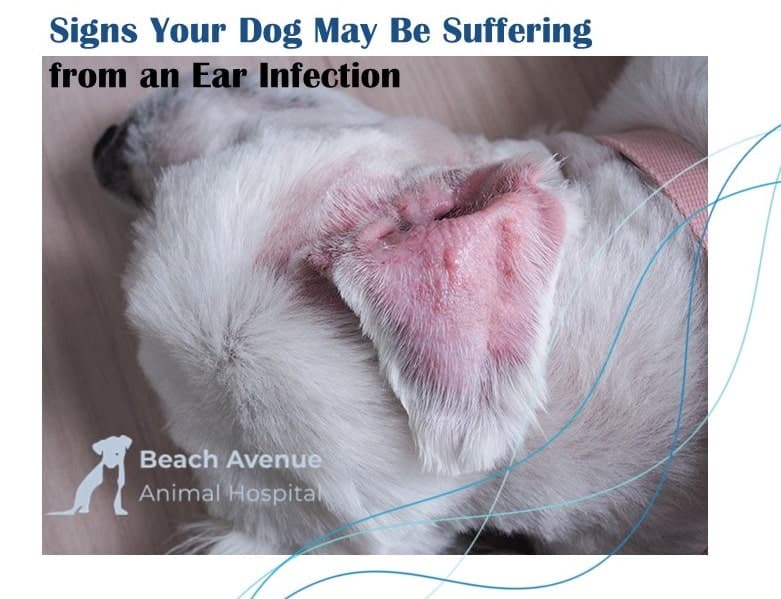
As a dog owner, noticing changes in your pet’s behavior is essential to maintaining their health. One common issue that dogs face, especially those with allergies, is ear infections. Ear infections can cause discomfort and serious health issues if left untreated. In this blog post, we’ll guide you through the signs that your dog may be suffering from an ear infection, how allergies contribute to these infections, and the steps you can take to prevent and treat them. At Beach Avenue Animal Hospital, we provide expert care for pets in Vancouver, North Vancouver, West Vancouver, and Downtown, with a special focus on managing allergy-related conditions that affect your pet’s ear health.
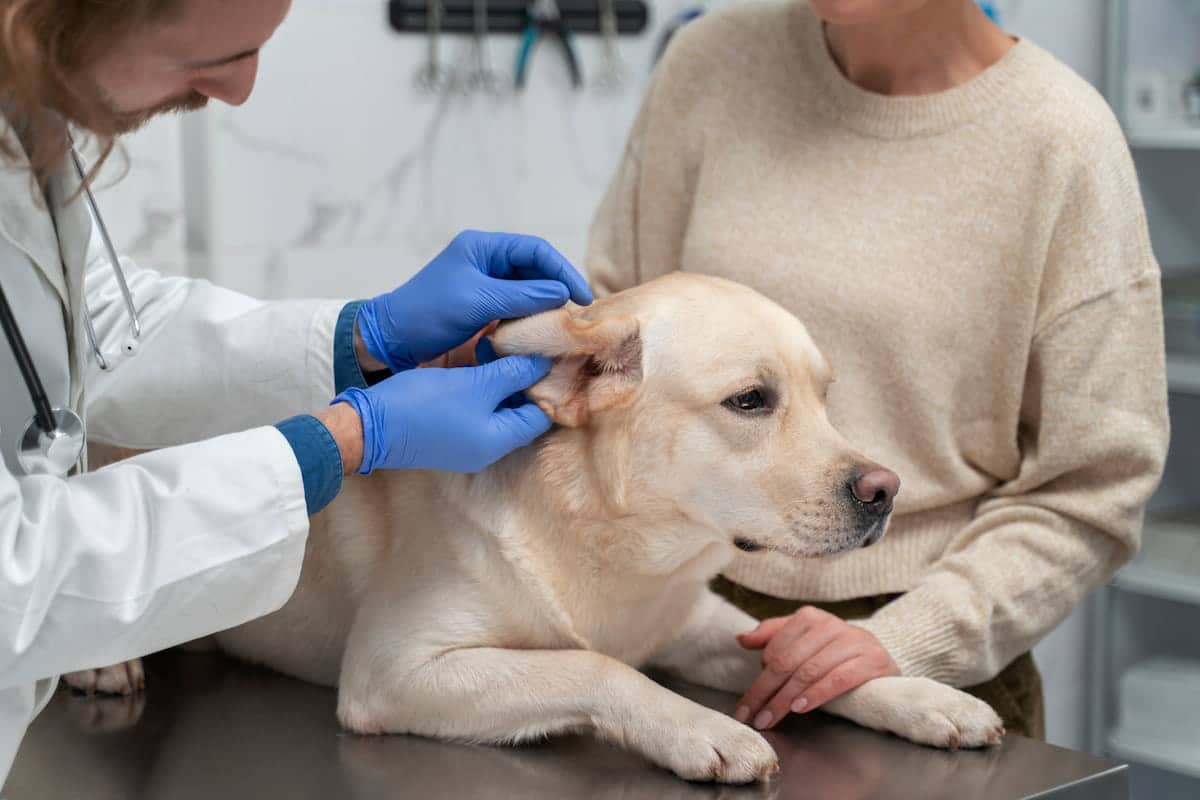
1. Common Symptoms of Ear Infections in Dogs
Ear infections in dogs are often noticeable because of the discomfort and symptoms they cause. Here are some common signs to look out for:
-
Ear Scratching: If your dog is scratching their ears constantly, it could be a sign of itching or irritation from an infection.
-
Head Shaking: Dogs will often shake their heads in an attempt to relieve the discomfort caused by an ear infection.
-
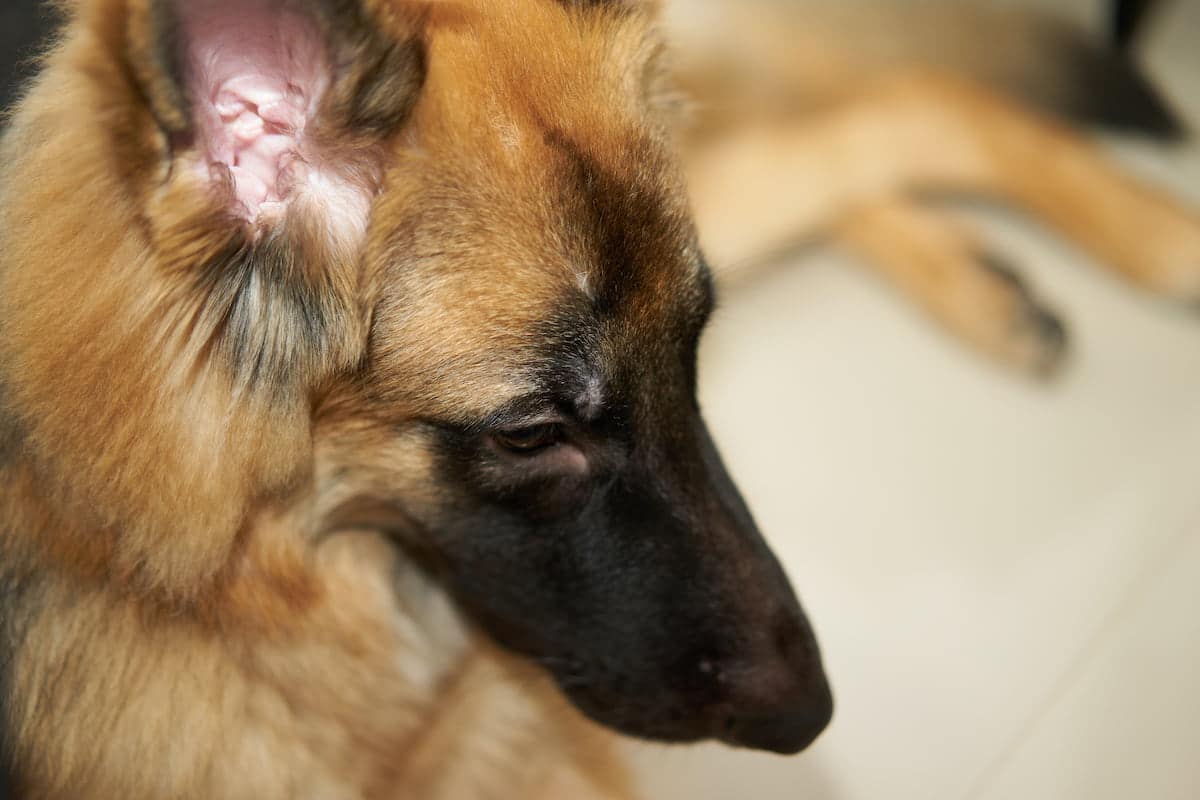
Ear Discharge: You may notice brown, yellow, or black discharge coming from your dog’s ear.
-
Foul Odor: A strong, unpleasant smell from your dog’s ear can indicate an infection.
-
Redness and Swelling: The ear canal or outer ear may become inflamed and red.
-
Pain: Your dog may show signs of pain when you touch their ears or may avoid having their ears touched altogether.
If your dog is displaying these symptoms, it’s important to take action promptly. Ignoring these signs can lead to further complications, including chronic ear issues and aural hematomas, which occur when excessive scratching or head shaking causes blood vessels to break in the ear.
2. The Role of Allergies in Dog Ear Infections
Allergies are one of the leading causes of ear infections in dogs. Pets with allergies are more prone to skin irritation and ear problems. Allergies may be caused by:
-
Food Allergies: Certain ingredients in your dog’s food can trigger an allergic reaction, leading to itching and ear infections.
-
Environmental Allergies: Pollen, dust mites, mold, and even certain cleaning products can cause allergic reactions, affecting your dog’s ears.
-
Flea Allergies: Flea bites can trigger severe itching and inflammation in the ears, leading to infections.
Dr. Omid Mavedati, an expert in pet allergies, offers specialized treatments for dogs suffering from allergies. By identifying the root cause of the allergic reaction, Dr. Mavedati can help reduce the frequency of ear infections and improve your dog’s quality of life.
3. Risk Factors That Make Your Dog More Susceptible to Ear Infections
While any dog can develop an ear infection, certain factors increase the risk:
-
Breed: Dogs with floppy ears, like Cocker Spaniels or Basset Hounds, are more prone to ear infections because their ears trap moisture and debris.
-
Moisture: Dogs that frequently swim or live in humid environments are more likely to develop ear infections.
-
Poor Ear Hygiene: Infrequent ear cleaning can cause wax buildup and lead to infections.
-
Allergies: As mentioned, allergic reactions can cause inflammation in the ears, making them more vulnerable to infections.
Regular visits to the vet can help catch early signs of ear infections before they escalate.
4. How to Prevent Ear Infections in Dogs
Prevention is key when it comes to ear infections. Here are some tips to keep your dog’s ears healthy:
-
Clean Your Dog’s Ears Regularly: Use a vet-approved ear cleaner to gently clean your dog’s ears. Make sure to dry their ears thoroughly after baths or swimming.
-
Keep Their Ears Dry: Moisture can lead to ear infections, so make sure your dog’s ears stay dry, especially if they love swimming.
-
Maintain a Healthy Diet: If your dog has food allergies, work with your vet to find a suitable diet. Dr. Mavedati can help guide you in selecting the right food for your dog.
-
Regular Vet Checkups: Routine veterinary visits allow the vet to examine your dog’s ears and catch any early signs of infection.
-
Allergy Management: If your dog suffers from allergies, regular allergy testing and management treatments can significantly reduce the likelihood of ear infections.
5. How to Treat Ear Infections in Dogs
If your dog develops an ear infection, it’s important to seek veterinary care for proper treatment. Here are the common treatments for dog ear infections:
-
Antibiotics: If the infection is bacterial, your vet will likely prescribe antibiotics.
-
Ear Drops: Medicated ear drops can help clear up infections and relieve discomfort.
-
Oral Medications: In severe cases, oral antibiotics or anti-inflammatory medications may be required.
-
Surgery: In rare cases, if the infection has caused significant damage, surgery may be necessary.
Dr. Omid Mavedati and the team at Beach Avenue Animal Hospital can help with effective treatment, including allergy management to prevent recurring infections.
6. When to See a Vet: Urgency in Treating Ear Infections
Ear infections that are left untreated can lead to serious complications, including:
-
Chronic Ear Problems: Repeated infections can damage the ear canal and make future infections more likely.
-
Aural Hematomas: Severe scratching or head shaking can cause blood vessels in the ear to burst, leading to swelling and blood accumulation.
-
Hearing Loss: Prolonged infections can affect your dog’s hearing if not treated properly.
If you notice any of the symptoms mentioned earlier, it’s important to visit a vet as soon as possible. Timely intervention can prevent these complications and ensure your dog’s ear health is restored.
Ear infections in dogs are common but can be prevented and treated with the right care. Recognizing the symptoms early and seeking expert help from a veterinarian can prevent long-term damage. If your dog is suffering from frequent ear infections or allergies, consider booking a consultation with Dr. Omid Mavedati at Beach Avenue Animal Hospital for a personalized treatment plan.
Are you concerned about your dog’s ear health? If you notice any signs of an ear infection or suspect your dog may have allergies affecting their ears, contact us today at Beach Avenue Animal Hospital. Dr. Omid Mavedati and our expert team are here to help your dog live a happy, healthy life.
Book a consultation now and give your pet the care they deserve!
FAQs
Q1: What are the signs of a dog ear infection?
Answer: Common signs of an ear infection in dogs include frequent ear scratching, head shaking, a foul odor coming from the ear, discharge, and redness or swelling in the ear canal.
Q2: How do allergies cause ear infections in dogs?
Answer: Allergies, both food and environmental, can lead to inflammation in a dog’s ear canal. This inflammation creates an environment conducive to bacterial or yeast infections.
Q3: How can I prevent ear infections in my dog?
Answer: To prevent ear infections, clean your dog’s ears regularly with a vet-approved ear cleaner, especially after swimming or bathing. Dry the ears thoroughly to prevent moisture buildup.
Q4: Can an ear infection in a dog cause hearing loss?
Answer: Yes, if left untreated, chronic ear infections can lead to hearing loss. The infection can damage the ear canal, leading to permanent hearing impairment.
Q5: How do I know when to see a vet for my dog’s ear infection?
Answer: If your dog is showing persistent signs of an ear infection like scratching, head shaking, or discharge, it’s important to consult with a vet. If symptoms worsen or you notice a bulging ear (aural hematoma), seek immediate care.
Q6: What treatments are available for dog ear infections?
Answer: Treatment for ear infections in dogs typically includes ear cleaning, antibiotics, or antifungal ear drops. In severe cases, oral medications may be required. If allergies are the underlying cause, your vet may also suggest allergy treatments to prevent recurrent infections.
Q7: How can Dr. Omid Mavedati help with my dog’s ear infection and allergies?
Answer: Dr. Omid Mavedati specializes in treating pets with allergies that lead to ear infections. Through allergy testing and personalized treatment plans, Dr. Mavedati can help reduce the frequency of ear infections and improve your dog’s overall health.