So, how much does a vet visit cost in Vancouver in 2026?
For a routine examination, a practical planning range is approximately $75–$150 CAD. However, the final amount depends on the clinic, appointment type, your pet’s health, and whether additional services are necessary.
Published Vancouver veterinary fees illustrate this variation, with some clinics charging approximately $104–$126 for a standard consultation and others advertising lower examination rates.
In this guide, we explain veterinary consultation fees, what’s included in a standard visit, cat-specific expenses, diagnostic costs, and practical ways to manage your pet’s healthcare budget.
How Much Does a Vet Visit Cost in Vancouver in 2026?
Veterinary costs vary because not every appointment requires the same amount of time, equipment, or medical attention.
A healthy adult dog attending a wellness examination usually requires fewer resources than a senior cat undergoing an investigation for unexplained weight loss.
Average Veterinary Visit Costs in Vancouver
| Veterinary service | Estimated cost (CAD) |
|---|---|
| Routine wellness consultation | $75–$150 |
| Urgent consultation | $150–$200+ |
| Individual vaccination | $40–$60 |
| Routine bloodwork | $190–$370+ |
| Fecal testing | $45–$150 |
| Urinalysis | $80–$175+ |
| Follow-up examination | $35–$85+ |
| Diagnostic X-rays | Quoted according to the study required |
These figures are approximate planning ranges informed by publicly listed Vancouver-area veterinary prices in 2025–2026. They are not Beach Avenue Animal Hospital’s confirmed fee schedule. Prices, taxes, medications, and additional services vary.
For example, two Vancouver clinics publishing 2026 fees list standard consultations at $103.75 and $125.89 respectively. This demonstrates why checking the actual examination fee before booking is useful.
Moreover, the consultation fee is not necessarily the total appointment cost.
Vaccinations, prescriptions, blood tests, imaging, and other procedures may be billed separately.
What Is Included in a Standard Veterinary Consultation?
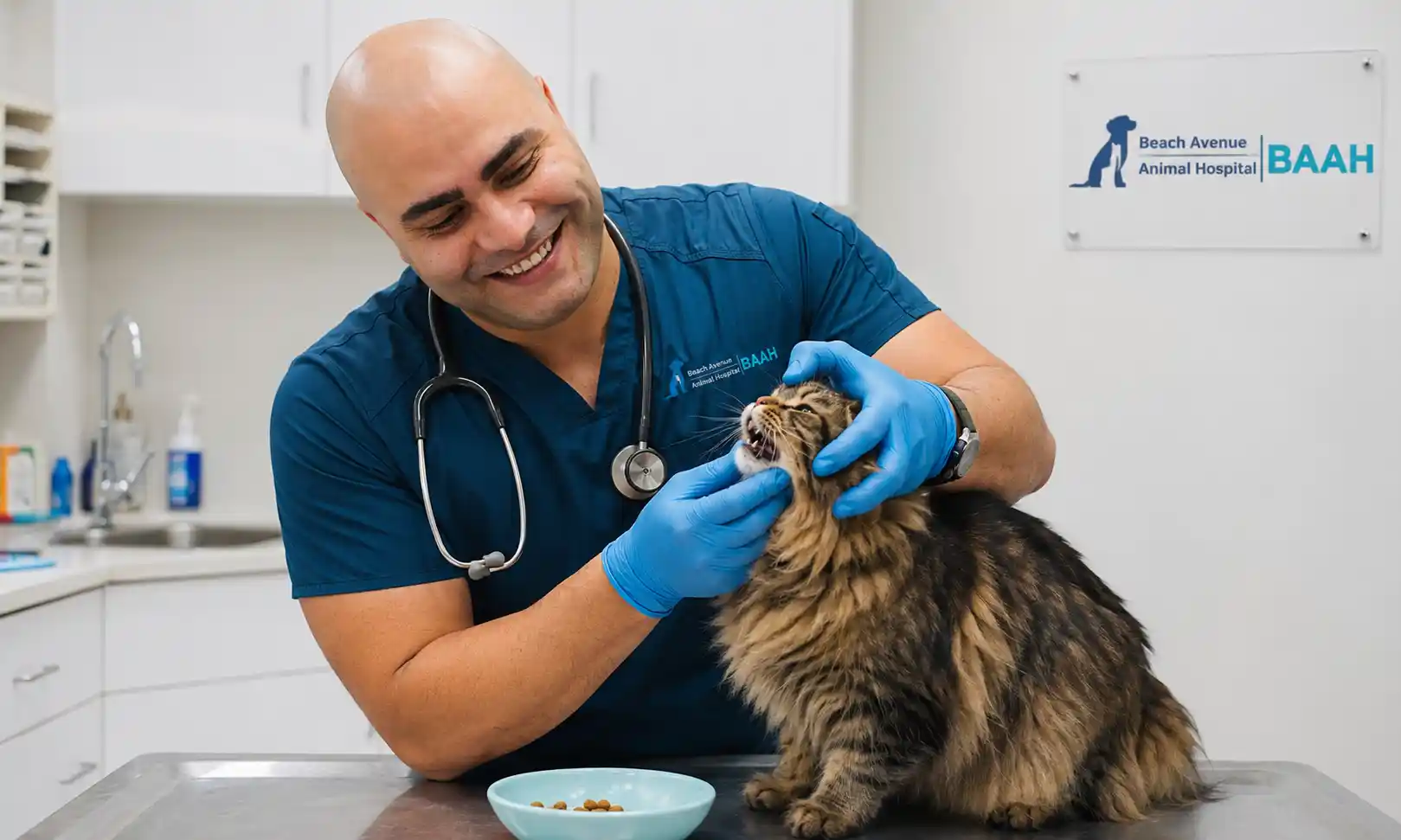
A standard veterinary consultation is much more than a quick examination.
It allows a veterinarian to evaluate your pet’s overall health, investigate your concerns, and identify potential problems that may not be immediately noticeable at home.
1. Medical History and Health Discussion
Your veterinarian will begin by reviewing your pet’s medical history and asking about recent changes.
Important questions may include:
- Has your pet’s appetite or water intake changed?
- Have you noticed unusual behavior or reduced energy?
- Is your pet experiencing vomiting, diarrhea, or coughing?
- What medications or supplements are currently being used?
- Are vaccinations and parasite treatments up to date?
This conversation helps determine which health concerns need further attention.
2. Weight and Body Condition Assessment
Your pet’s weight is measured and evaluated alongside body condition.
A body condition score helps veterinarians assess whether an animal is underweight, overweight, or maintaining an appropriate condition.
For example, gradual weight loss in an older cat may require further investigation even when its appetite appears normal.
3. Nose-to-Tail Physical Examination
A routine consultation typically includes several physical assessments.
| Examination area | What the veterinarian checks |
|---|---|
| Eyes and ears | Discharge, irritation, inflammation, and visible abnormalities |
| Teeth and gums | Dental disease, tartar, gum inflammation, and oral discomfort |
| Heart and lungs | Heart rhythm, respiratory sounds, and possible abnormalities |
| Skin and coat | Lumps, parasites, irritation, hair loss, and infections |
| Abdomen | Tenderness, unusual enlargement, or palpable abnormalities |
| Joints and muscles | Mobility, pain, stiffness, and muscle condition |
| General condition | Hydration, alertness, body temperature when indicated, and overall comfort |
The exact examination is adapted to your pet’s age, condition, temperament, and reason for visiting.
4. Preventive Healthcare Recommendations
After examining your pet, the veterinarian may discuss vaccinations, parasite control, nutrition, dental care, and lifestyle recommendations.
For instance, a dog regularly visiting parks throughout Metro Vancouver may have different preventive healthcare needs than an indoor-only cat.
5. Diagnosis, Treatment Planning, and Questions
The veterinarian will explain the examination findings and recommend appropriate next steps.
If additional testing is necessary, the reason for each test and its expected cost should be discussed.
A standard consultation generally includes medical assessment and professional advice, not every test or treatment recommended during the appointment.
Read more: How Much Does It Cost to Neuter a Cat in Vancouver? 2026 Guide
What Is Not Usually Included in the Consultation Fee?
One of the most important considerations when reviewing vet prices in Vancouver is understanding which services are billed separately.
Although policies differ between veterinary hospitals, the following are commonly additional expenses:
- Vaccines and their administration.
- Blood tests and laboratory analysis.
- Urine and stool testing.
- Prescription medications.
- Diagnostic imaging, including radiographs and ultrasound.
- Dental cleaning, surgery, and anesthesia.
- Parasite prevention products.
- Specialized diagnostic procedures.
For example, if a veterinarian detects a possible urinary problem during a routine examination, a urinalysis may be recommended.
That test generally involves an additional charge beyond the examination fee.
Before approving non-emergency diagnostics, request an itemized estimate so the expected total is clear.
How Much Are Vet Visits for Cats in Vancouver?
Many first-time cat owners ask, how much are vet visits for cats, particularly when planning vaccinations or bringing home a newly adopted kitten.
For a healthy adult cat, the initial consultation cost may be similar to a dog’s.
However, the total bill depends on the cat’s age, lifestyle, medical history, and required procedures.
Vet Cat Check Up Cost: Example Breakdown
Consider an illustrative wellness appointment using fees from a published June 2026 Vancouver veterinary price list.
| Service | Example price |
|---|---|
| Standard consultation | $103.75 |
| FVRCP vaccination | $45.00 |
| Example total | $148.75 |
This example shows how a simple vaccination appointment can cost more than the examination fee alone.
It is not a Beach Avenue Animal Hospital quotation, and any applicable taxes or additional services would need to be confirmed.
Kitten Veterinary Visits
Kittens commonly require several appointments during their early months.
These visits can include physical examinations, core vaccinations, parasite management, nutritional advice, and discussions about sterilization.
Because vaccinations are usually administered in a series, owners should budget for multiple appointments rather than assuming everything will be completed during one visit.
Adult Cat Wellness Visits
Healthy adult cats benefit from routine examinations even when they remain indoors.
Dental disease, obesity, urinary problems, and subtle behavior changes can develop without immediately obvious symptoms.
Senior Cat Veterinary Visits
Older cats may require more frequent evaluations, particularly when managing kidney disease, diabetes, thyroid disorders, or arthritis.
Bloodwork and urinalysis may be recommended depending on the examination findings and medical history.
Consequently, senior cat healthcare budgets often need additional flexibility.
How Much Does a Dog Vet Visit Cost?
A standard examination for a dog generally falls within a similar consultation fee range.
However, additional costs can vary considerably.
For example, a puppy may require several vaccination appointments, while an adult dog may need only an annual wellness assessment and selected preventive services.
Larger dogs may also require higher medication doses, increasing the price of certain treatments.
Common Reasons Dogs Visit the Veterinarian
Routine reasons include vaccinations, skin allergies, ear infections, digestive concerns, dental problems, and mobility issues.
A consultation for an uncomplicated concern may involve only an examination and medication.
More complicated conditions may require laboratory testing, imaging, or follow-up visits.
The medical needs of the individual dog, rather than its size alone, usually determine the overall expense.
Example Veterinary Bills: What Could You Actually Pay?
The easiest way to understand veterinary costs is to compare realistic appointment scenarios.
Scenario 1: Healthy Adult Cat
A healthy indoor cat visits the veterinarian for a routine physical examination.
No concerning findings are identified, and no additional tests or medications are necessary.
Estimated total: $75–$150.
Scenario 2: Dog Requiring a Vaccination
A healthy dog attends a wellness consultation and receives one recommended vaccine.
Using representative Vancouver fees, the examination may cost approximately $104, with the vaccination adding about $45.
Illustrative total: approximately $149, before any applicable additional charges.
Scenario 3: Senior Cat With Increased Thirst
An older cat develops increased thirst and frequent urination.
A veterinarian performs an examination and recommends bloodwork and urine testing to investigate possible underlying conditions.
The combined cost may reach several hundred dollars, depending on the laboratory panels selected.
Important: These are illustrative scenarios, not actual patient invoices. A veterinary examination is necessary to determine which services are appropriate.
Why Are Veterinary Visits More Expensive for Some Pets?
Appointment Type and Urgency
Routine consultations can be scheduled in advance, while urgent appointments may require immediate availability, additional staff resources, and rapid diagnostics.
Published Vancouver urgent consultation fees can exceed $150 before treatment begins.
Diagnostic Equipment and Laboratory Testing
Veterinary hospitals use specialized equipment to investigate diseases and injuries.
Digital radiography, ultrasound, laboratory analyzers, and other diagnostic tools involve equipment, staffing, maintenance, and interpretation costs.
Pet Age and Medical Complexity
Puppies and kittens need preventive care during development, while senior pets may need regular monitoring for chronic conditions.
Breed-related health risks, previous illnesses, and existing medications can also influence the services required.
Treatment and Medication Requirements
Some appointments conclude with preventive recommendations alone.
Others involve injections, prescriptions, fluid therapy, or ongoing treatment plans.
Each service can affect the final bill.
Routine Vet Visit vs. Emergency Visit: Cost Differences
Understanding when to schedule a routine appointment and when urgent medical attention is required can help owners make appropriate decisions.
| Routine veterinary care | Urgent or emergency care |
|---|---|
| Annual wellness examinations | Difficulty breathing |
| Preventive vaccinations | Collapse or severe weakness |
| Nutritional consultations | Suspected poisoning |
| Stable, ongoing conditions | Major trauma or uncontrolled bleeding |
| Non-urgent skin concerns | Urinary obstruction or severe pain |
Emergency treatment may involve consultation charges, immediate diagnostics, stabilization, hospitalization, and medication.
These expenses can be substantially higher than a routine examination.
Never delay emergency veterinary care solely to avoid an urgent appointment fee. Contact a veterinary hospital immediately when serious symptoms develop.
How Often Should Cats and Dogs Visit a Veterinarian?
For many healthy adult cats and dogs, at least one routine veterinary examination per year is a reasonable starting point.
However, appointment frequency should be individualized.
Puppies and kittens often need multiple visits for vaccinations and development monitoring.
Senior pets or animals with chronic medical conditions may benefit from examinations every six months or more frequently when medically necessary.
The American Animal Hospital Association emphasizes the importance of preventive wellness visits, including body condition assessments, nutrition discussions, and behavior monitoring.
Regular consultations help establish a baseline, making future changes easier to identify.
How to Reduce Veterinary Expenses Without Compromising Care
Maintaining an appropriate healthcare budget does not mean avoiding necessary appointments.
Instead, focus on planning and understanding the services recommended.
Practical Ways to Manage Vet Costs
- Schedule routine wellness visits. Preventive examinations provide opportunities to identify health concerns before they become more complicated.
- Ask for an itemized estimate. Understand which services are included and which are optional or additional.
- Discuss a staged diagnostic plan. When medically appropriate, ask whether testing can be prioritized according to urgency.
- Maintain preventive care. Vaccinations, parasite control, dental care, and weight management can reduce certain avoidable risks.
- Consider pet insurance. Compare accident, illness, deductible, and preventive-care coverage before purchasing a policy.
- Keep medical records organized. Previous test results and vaccination records can help the veterinarian make informed decisions.
Pet insurance policies vary considerably. Some cover eligible illness-related examination charges, while routine wellness visits are excluded unless optional preventive coverage is purchased.
Choosing a Veterinary Clinic in Vancouver
Although consultation pricing matters, veterinary care should also be evaluated based on communication, experience, diagnostic capabilities, and follow-up support.
A reliable clinic should explain examination findings clearly and provide an estimate before proceeding with additional non-emergency services.
For pet owners looking for an animal hospital in Vancouver, Beach Avenue Animal Hospital provides veterinary care for cats and dogs, including preventive wellness examinations, vaccinations, diagnostic services, dental care, and surgery.
Located near the Burrard Bridge in Vancouver’s West End, the clinic serves local pet owners as well as families travelling from North Vancouver and West Vancouver.
Its veterinary team includes Dr. Omid Mavedati, whose clinical interests include surgery, ophthalmology, and dermatology.
Owners seeking experienced veterinarians in Vancouver BC can review the clinic’s team and services before booking.
What to Ask Before Booking Your Consultation
To avoid confusion, consider asking the following questions:
- What is the current standard consultation fee?
- Is the fee different for urgent appointments?
- Does the examination include a written treatment recommendation?
- Are vaccinations, bloodwork, and medications billed separately?
- Will an estimate be provided before additional testing?
- Is a follow-up examination charged separately?
These questions help establish clear expectations before your pet’s appointment.
Book Your Veterinary Consultation at Beach Avenue Animal Hospital
Every pet deserves individualized medical care, whether the appointment is for an annual examination or a newly noticed health concern.
At Beach Avenue Animal Hospital, our team focuses on comprehensive veterinary assessments, preventive healthcare, and helping owners understand their pet’s medical needs.
We believe informed decisions begin with clear communication about examinations, recommended treatments, and expected expenses.
For the clinic’s current consultation fees or a service-specific estimate, contact our team directly.
Location: 111–1000 Beach Avenue, Vancouver, BC V6E 4M2
Phone: (604) 909-0636
Conclusion: How Much Should You Budget for a Vet Visit?
Understanding how much does a vet visit cost is an important part of responsible pet ownership.
In Vancouver, budgeting approximately $75–$150 for a routine consultation provides a starting point, although actual clinic fees can be lower or higher.
Vaccinations, laboratory testing, diagnostic imaging, and medications may increase the final expense.
Knowing what a standard examination includes and requesting an estimate for additional services makes veterinary expenses easier to anticipate.
Most importantly, regular veterinary care supports early detection, preventive medicine, and better-informed decisions about your pet’s long-term health.
Frequently Asked Questions
1. How much does a basic vet visit cost in Vancouver?
A reasonable planning range for a routine examination is approximately $75–$150 CAD. Actual fees vary by clinic, with vaccinations and diagnostic tests generally charged separately.
2. How much is a first vet visit for a kitten?
A kitten’s first appointment may include an examination, vaccinations, and parasite-related recommendations. The total depends on the clinic and which services are provided.
3. What is included in a standard vet consultation?
A standard consultation generally includes medical history, a physical examination, weight and body condition assessment, and veterinary recommendations. Bloodwork, vaccines, and medications are usually additional.
4. Are cat vet visits cheaper than dog vet visits?
The basic consultation fee is often similar for cats and dogs. Differences in testing, medication, preventive treatments, and medical conditions determine the final cost.
5. Does pet insurance cover veterinary consultation fees?
Some policies cover eligible illness or accident examination fees. Routine wellness visits are often excluded unless a preventive-care benefit is included.
6. Why does a vet visit cost more than the examination fee?
The consultation covers clinical evaluation and advice. Vaccinations, medications, diagnostic testing, imaging, and additional procedures can increase the total bill.
7. How can I find out the exact cost before booking?
Contact the veterinary clinic and ask for its current consultation fee and common additional charges. Request a written estimate when your pet requires a planned procedure or diagnostic testing.