If your dog is scooting across the floor, licking excessively, or suddenly acting uncomfortable, blocked anal glands may be the cause. While mild impaction is common, untreated anal gland problems can lead to painful infections or abscesses. Understanding the symptoms, causes, and when to seek veterinary care is essential for protecting your dog’s comfort and health.
What Are Blocked Anal Glands in Dogs?
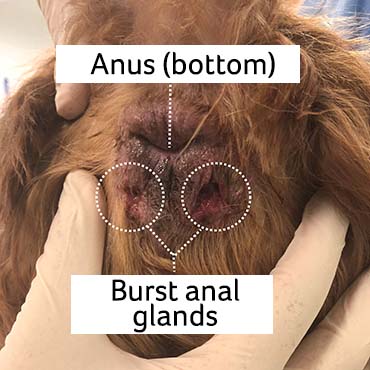
Anal glands are small sacs located on either side of your dog’s anus. These glands produce a strong-smelling liquid that helps your dog mark their territory. Most dogs naturally express this liquid when they poop, which prevents it from building up. However, in some cases, these glands can become blocked or impacted, causing discomfort and other issues.
Why Do Anal Glands Become Blocked?
Anal glands can get blocked for several reasons. One of the main causes is a lack of fiber in your dog’s diet. Without enough fiber, your dog’s stools may not be firm enough to naturally express the anal glands. Other reasons for blockage include obesity, infection, or even an anatomical issue that makes it harder for the glands to empty. Certain breeds are also more prone to problems with their anal glands.
Can You Express Anal Glands at Home Safely?
Some pet owners consider expressing their dog’s anal glands at home, especially if scooting becomes frequent. While external expression may seem simple, improper technique can cause pain, tissue damage, or worsen an underlying infection. Internal expression should only be performed by a trained veterinary professional. If your dog is licking excessively, crying when sitting, or showing signs of swelling near the tail, it is safest to have a veterinarian evaluate the problem. What appears to be a minor issue can quickly develop into an abscess if not handled properly.
What Are the Symptoms of Blocked Anal Glands?

If your dog’s anal glands are blocked, you’ll likely notice some of these signs:
- Scooting: If your dog is dragging their rear end along the ground, it could be a sign their glands are full and uncomfortable.
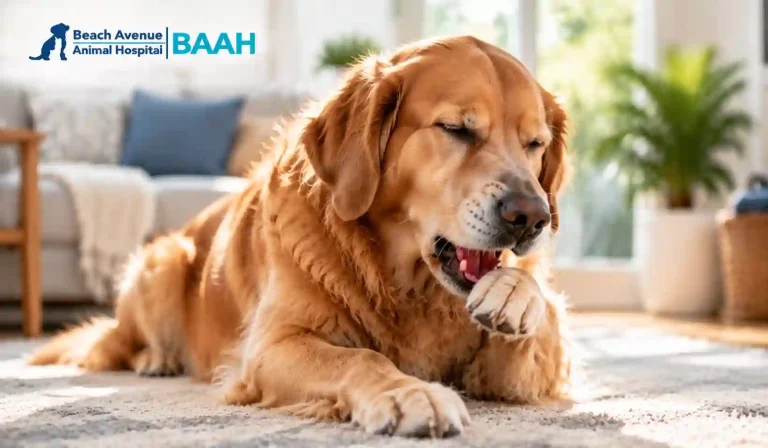
- Excessive licking or biting: Dogs may lick or bite at their rear end in an attempt to relieve the discomfort caused by the blockage.
- Foul odor: Blocked anal glands can cause a noticeable, unpleasant smell. If you notice your dog has a strong, fishy odor, it could be due to a blockage.
- Redness or swelling around the anus: If you see any inflammation or swelling in the area, it’s a sign that your dog’s glands may be impacted or infected.
- Discomfort or pain: Dogs with blocked anal glands may show signs of discomfort, like whining or difficulty sitting.
Blocked vs. Infected vs. Abscessed Anal Glands in Dogs
Not all anal gland problems in dogs are the same. A simple blockage can cause mild discomfort, while an infection or abscess may lead to significant pain and require more urgent veterinary treatment. Understanding the differences can help you recognize when your dog needs professional care.
| Condition | Common Signs | Veterinary Treatment |
|---|---|---|
| Blocked (Impacted) Anal Glands | Scooting, licking the rear end, fishy odor, and discomfort when sitting | A veterinarian may manually express the impacted glands and recommend preventive care |
| Infected Anal Glands | Redness, swelling, tenderness, persistent licking, and possible bloody discharge | Veterinary examination, gland flushing, and medication when necessary |
| Abscessed Anal Glands | Painful swelling beside the anus, marked redness, and possible rupture with blood or pus | Prompt veterinary care, pain relief, antibiotics when indicated, and sometimes surgical drainage |
When Should You Be Concerned?
If your dog occasionally scoots but otherwise behaves normally, arrange a veterinary examination if the behavior persists or returns. However, visible swelling, severe pain, bleeding, or pus near the anus requires prompt veterinary attention.
Avoid squeezing swollen or painful anal glands at home, as this may worsen the condition.
If you notice signs of anal gland problems, contact Beach Avenue Animal Hospital in Vancouver for an examination. Early diagnosis can help prevent complications and keep your dog comfortable.
When Anal Gland Problems Become an Emergency
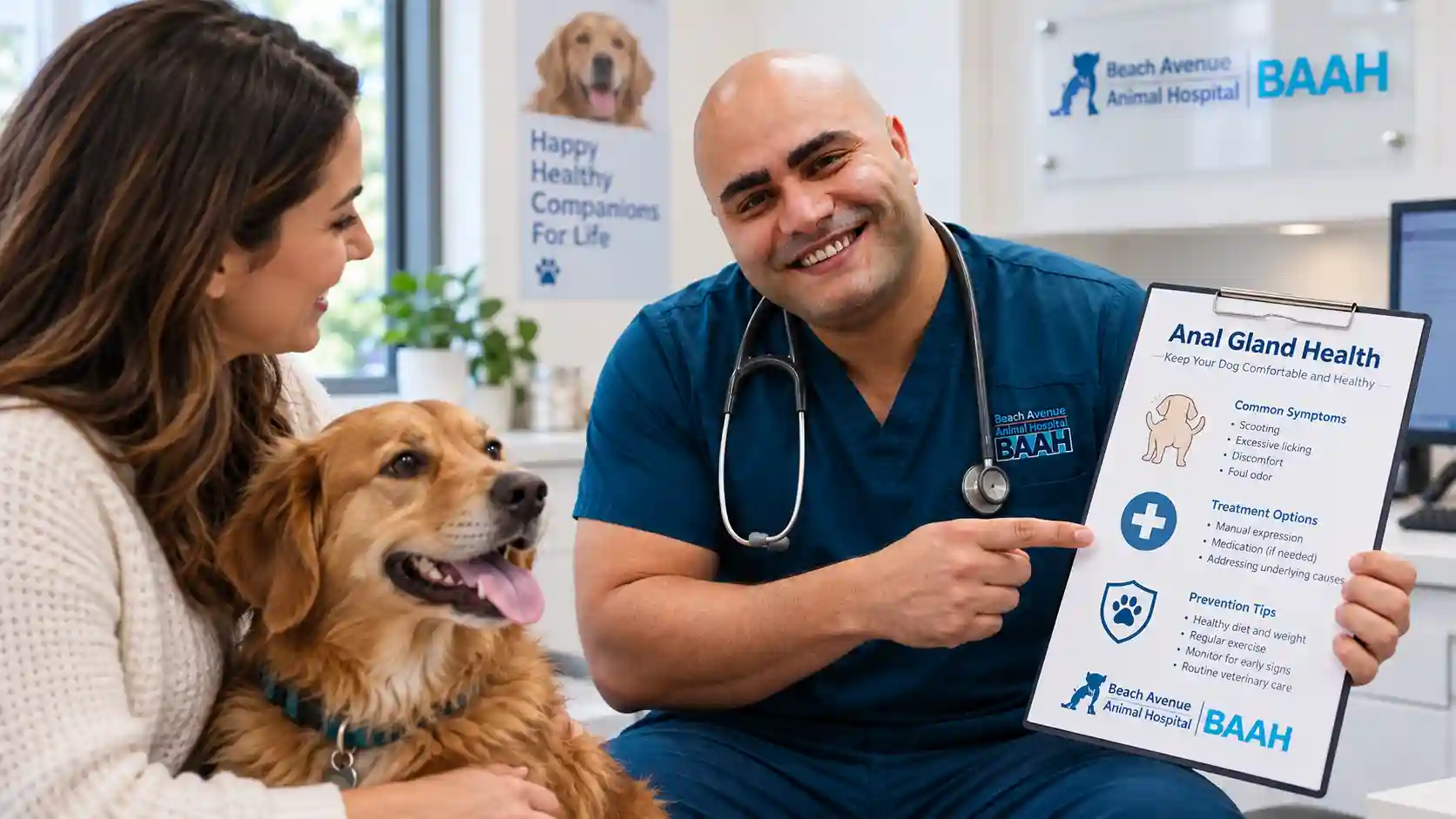
If you notice any of the symptoms above, it’s time to consult your vet. While scooting or licking might not always indicate a blockage, persistent symptoms or signs of pain should be checked out. If the glands are left untreated, they can become infected or abscessed, causing your dog significant pain and requiring more extensive treatment.
How Are Blocked Anal Glands Treated?
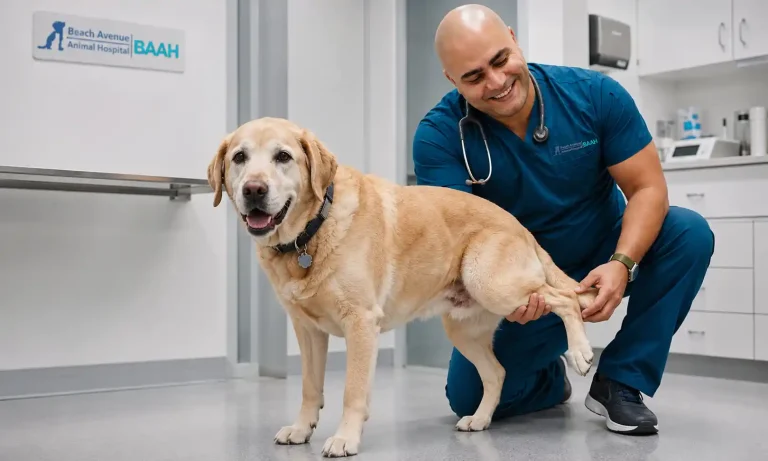
If your dog’s anal glands are blocked, a vet can manually express them. This is a quick and straightforward procedure where the vet squeezes the glands to release the built-up liquid. If there’s an infection, your vet may prescribe antibiotics or other medications to clear it up.
For recurring issues, your vet may suggest dietary changes to ensure your dog’s stools are firm enough to naturally express the glands. In some cases, surgery may be necessary if the glands are chronically problematic, but this is rare.
How Can You Prevent Blocked Anal Glands?
Preventing blocked anal glands can be as simple as making sure your dog has a healthy diet. Adding fiber to their meals can help firm up their stools and promote natural gland expression. Regular grooming can also help by giving you a chance to monitor your dog’s anal area for any changes. If your dog has had anal gland issues in the past, it may be worth scheduling regular visits to the vet to have the glands expressed.
Cost of Anal Gland Expression in Vancouver
The cost of anal gland expression for dogs in Vancouver can vary depending on your pet’s condition and whether infection or complications are present. A routine manual expression performed by a veterinarian is typically more affordable than treating an abscessed or infected anal gland, which may require medication, flushing, or additional procedures. If your dog is showing signs such as scooting, swelling, pain, or discharge, it is important to address the issue early. Prompt treatment not only relieves discomfort but also helps prevent more serious and costly complications.
Other Health Issues That May Cause Similar Symptoms
Persistent licking, unusual body movements, or changes in your dog’s behaviour aren’t always caused by anal gland problems. For example, frequent head shaking, ear scratching, or redness may indicate an ear condition rather than discomfort around the rear end. Learning about the Signs Your Dog May Be Suffering from an Ear Infection can help you recognize these differences. Similarly, straining to urinate, frequent urination, or blood in the urine may indicate a urinary tract problem, including bladder stones. Our guide, What Is Cystotomy in Dogs, explains a surgical procedure sometimes used to remove bladder stones and what pet owners should know about treatment.
Supporting Your Dog’s Overall Health and Preventive Care
Keeping your dog healthy involves more than managing anal gland discomfort. Regular veterinary checkups can help detect dental issues, skin conditions, and other health concerns before they become more serious. For example, learning about Dog Plaque and Tartar in Vancouver highlights the importance of preventive dental care. If your dog frequently scoots, excessively licks its rear end, or has a persistent fishy odor, our guide to dog anal gland expression explains the procedure, its potential risks, and why seeking professional veterinary assistance may be the safest choice.
Expert Veterinary Care for Your Pet’s Health
If you’re in Vancouver and looking for a trusted veterinary clinic, we’re here to help. Our experienced team is dedicated to providing top-quality care for your pets, ensuring they stay healthy and happy.
We offer a comprehensive Pet Wellness Examination, designed to monitor your pet’s overall health and catch any potential problems early. Whether you’re concerned about common issues like blocked anal glands or simply want a routine check-up, our veterinarians will give your pet the care and attention they deserve.
For residents of Vancouver, we invite you to contact us today to schedule a wellness exam and keep your furry friend in the best of health.
FAQ
How to Express Anal Glands in Dogs
Anal glands should be expressed by a veterinarian or trained professional. If you’re concerned, visit your vet to have them expressed safely. In some cases, your vet may teach you how to do it at home.
What Are Anal Glands in Dogs?
Anal glands are small sacs near your dog’s anus that release a strong-smelling fluid. This fluid helps dogs mark their territory, and it usually expresses naturally during bowel movements.
How Often Do Dogs’ Anal Glands Need to Be Expressed?
Not all dogs need their glands expressed regularly. Some express them naturally, while others may require manual expression if they show symptoms like scooting or licking. Your vet can guide you on the best routine.
What Causes Blocked Anal Glands in Dogs?
Blocked anal glands can be caused by a lack of fiber, obesity, infections, or anatomical issues. Some dogs are more prone to this problem due to breed or age. Regular vet visits can help prevent blockages.