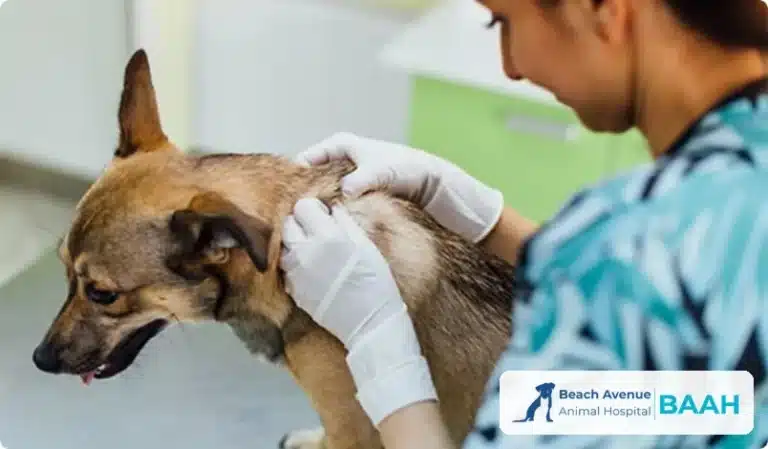
Why is my dog so itchy? If your dog is scratching, licking, chewing or rubbing against the furniture non-stop, you are not alone — itching is one of the most common reasons dog owners visit the vet. A little scratching now and then is normal. Constant itching is not. It is your dog’s way of telling you that something is irritating their skin, and the cause can range from a simple flea bite to an allergy or a skin infection that needs treatment.
In this guide, we explain the most common reasons dogs itch, how to tell allergies, parasites and infections apart, what you can safely do at home, and the warning signs that mean your dog should see a vet soon. If your dog’s itching is getting worse, spreading, or causing sores, do not wait it out — the sooner the cause is found, the easier it is to treat.
Quick Answer
Wondering why is my dog so itchy? The most common reasons dogs itch are allergies (food or environmental), fleas and other parasites, skin infections, and dry skin. Occasional scratching is normal, but daily itching, red or broken skin, hair loss, hot spots, ear scratching or licking paws are signs your dog needs a vet exam. Never use human creams, sprays or antihistamines without veterinary advice — some are unsafe for dogs, and the wrong product can make the problem worse. If the itching is sudden, severe, or comes with sores, swelling or a bad smell, book a vet visit promptly.
What Is Itchy Skin in Dogs?
Itching, known as pruritus, is an uncomfortable sensation on the skin that makes a dog scratch, lick, bite or rub the affected area. It is a symptom, not a diagnosis — it tells you something is wrong, but not what. Dogs may itch all over their body (generalized itching) or focus on one area, such as the ears, paws, belly, armpits or the base of the tail. Where a dog itches often gives the vet an important clue about the cause.
Some itching is seasonal, worse in spring and summer when pollen and fleas are more active. Some itching is year-round, which often points to a food allergy, a dust-mite allergy or a chronic skin condition. Puppies and young adult dogs may itch for different reasons than senior dogs, so age matters too. Keeping track of when the itching started, where it is worst and what seems to make it better or worse will help your vet find the cause faster.
What Causes Itching in Dogs?
There are many possible causes, but most cases fall into five groups. The table below gives a quick overview of each one.
| Cause | Common signs | Typical pattern |
|---|---|---|
| Allergies (environmental or food) | Itchy paws, ears, belly and armpits; red skin; ear infections that keep coming back | Often starts in young adult dogs; seasonal for pollen, year-round for food or dust mites |
| Parasites (fleas, mites, lice) | Intense scratching, flea dirt, bites, hair loss, scabs — especially around the tail base | Can start suddenly; often worse in warm months; can affect other pets in the home |
| Skin infection (bacterial or yeast) | Red, smelly or greasy skin, sores, crusts, hot spots, brown ear discharge | Often follows an allergy or scratching that broke the skin |
| Dry or irritated skin | Flaking, dull coat, mild itching; worse in winter or after frequent baths | Generalized and mild; improves with the right bathing routine |
| Pain or discomfort | Licking or biting one spot, limping, guarding an area, changes in behaviour | Focused on one area; may look like itching but is actually pain |
Allergies vs Infection vs Parasites: How to Tell the Difference
Allergies, infections and parasites can look very similar — red, itchy skin and a miserable dog. Telling them apart matters, because each one needs different treatment. Here is how they usually compare.
| Feature | Allergies | Infection | Parasites |
|---|---|---|---|
| Onset | Gradual, often recurring | Often follows scratching or an existing skin problem | Can be sudden and intense |
| Where it itches | Paws, ears, belly, armpits, face | Anywhere the skin is damaged; often skin folds and ears | Tail base, back, neck, ears (mites) |
| Key clues | Seasonal pattern, repeat ear infections, paw licking | Smell, pus, crusts, greasy skin, hot spots | Visible fleas or flea dirt, scabs, other pets scratching |
| Spreads to people? | No | Usually no | Some mites can cause a temporary rash in people |
| Needs a vet? | Yes — to identify the trigger and control the itch | Yes — usually needs prescription treatment | Yes — to confirm the parasite and treat all pets |
It is also common for more than one cause to be present at once. For example, a dog with an allergy may scratch, break the skin, and develop a bacterial infection on top of the allergy. That is one reason home guesses often fail — treating only one part of the problem does not fix the rest. A vet exam sorts out which causes are involved and in what order to treat them.
What Happens If Itching Goes Untreated?
Itching rarely goes away on its own when the underlying cause is still there, and it tends to get worse over time. Constant scratching, licking and chewing break down the skin’s protective barrier. Once the skin is broken, bacteria and yeast move in, turning a simple itch into a painful infection. Hot spots — raw, moist, fast-spreading sores — can appear within a day. Ears that are scratched repeatedly can develop painful swelling or chronic infections.
Untreated itching also affects your dog’s quality of life. Dogs that itch all day and night sleep poorly, eat less, become anxious or withdrawn, and may develop behavioural changes. Chronic skin disease can also mean months of trial and error later, when early treatment would have been simpler. If your dog has been itching for more than a few days, has broken skin or sores, or the itching is spreading, it is time for a vet visit rather than a wait-and-see approach.
Home Care vs Professional Care
There are a few safe things you can do at home while you wait for a vet appointment — and several things you should never do. The table below makes the difference clear.
| Safe at home | Do NOT do at home |
|---|---|
| Keep your dog’s skin clean and dry; wipe paws after walks | Do not apply human creams, lotions, ointments or steroid creams |
| Use a gentle, dog-specific shampoo as your vet advises | Do not give human antihistamines or any medicine without a vet’s advice |
| Use an Elizabethan collar (cone) to stop chewing and licking | Do not use essential oils, vinegar, alcohol or home-made sprays on raw skin |
| Keep flea prevention up to date on all pets in the home | Do not shave or cut out a hot spot — it can spread the infection |
| Note when the itching started, what changed, and take photos of the skin | Do not switch foods or start an elimination diet without a vet plan |
Home care can soothe the skin and stop your dog from doing more damage, but it does not replace a diagnosis. Human medicines are a particular risk: some antihistamines and creams are unsafe for dogs, and the dose and the product matter. If you think your dog has an infection — redness, smell, discharge, sores or hair loss — home remedies will not fix it, and delaying vet care lets it spread. If your dog keeps licking a paw, read our guide on why a dog keeps licking paw — and if a hot spot has already formed, see our guide on how to treat hot spots on dogs at home for safe first aid while you book a vet visit.
What a Vet Checks During an Itchy-Skin Exam
A vet visit for itching starts with a detailed history: when the itching began, where it is worst, whether it is seasonal, what your dog eats, what flea prevention you use, and whether other pets or people in the home are affected. Then the vet examines the skin, coat, ears and paws closely. If your dog’s ears are hot and red, that may be part of the same allergy picture — see our post on why dogs ears hot and red for more on ear signs.
Depending on what the vet finds, further tests may be needed. These commonly include:
- Skin scraping — a small sample of skin examined under a microscope to check for mites.
- Cytology — a swab or tape sample of the skin or ear to check for bacteria or yeast.
- Flea combing — to look for fleas or flea dirt in the coat.
- A food trial — a strict, vet-supervised diet for several weeks to test for a food allergy.
- Allergy testing — blood or skin testing may be discussed to identify environmental triggers; it is not a quick fix and is part of a long-term allergy plan.
Our pet dermatology Vancouver service covers skin and ear problems like these. The goal of the first visit is to stop the itch, treat any infection, and build a plan that keeps the skin healthy long term.
When Itching Is Urgent: Red Flags
Most itching can wait a day or two for a regular appointment, but some signs mean your dog should be seen urgently:
- Face, lips or eyelids swelling, hives, or sudden severe itching — this can be an allergic reaction
- Open sores, bleeding, pus, or a hot spot that is spreading fast
- A bad smell from the skin or ears, or discharge that was not there before
- Difficulty breathing, vomiting or collapse — seek emergency care immediately
- A dog that cannot sleep, eat or settle because of the itch
- Itching that started suddenly after a new food, treat, medicine, shampoo or walk in a new area
If you are unsure whether it is urgent, call the clinic and describe what you see. It is always better to ask than to wait with a painful or spreading skin problem.
How Much Does It Cost to Treat an Itchy Dog?
The cost depends on the cause, how advanced the problem is, and which tests are needed — a simple skin check is very different from allergy testing or treating a deep infection. That is why we do not publish a fixed price for itchy-skin visits: the exact cost depends on the exam and what your dog needs. After an exam, your vet will explain the options and the cost before anything is done. Call (778) 760-0000 to confirm current pricing and to ask what an itchy-skin visit involves.
How to Prevent Itching in Dogs
Prevention will not stop every allergy, but it can cut down flare-ups and keep your dog’s skin in better shape:
- Keep flea prevention up to date all year round, on every pet in the home.
- Bathe with a gentle, dog-specific shampoo and avoid over-bathing, which dries the skin out.
- Wipe paws and belly after walks during pollen season to remove allergens.
- Feed a complete, balanced diet and do not change foods suddenly.
- Wash bedding regularly and vacuum to reduce dust mites.
- Book regular wellness exams as part of preventive veterinary care, so small skin changes are caught early.
- Watch for early signs — a little more paw licking or ear scratching than usual is worth mentioning at the next visit, before it becomes a full flare-up.
Itchy Dog? Visit Beach Avenue Animal Hospital in Vancouver
If your dog is scratching, licking or chewing more than usual, we can help find the cause and stop the itch. Beach Avenue Animal Hospital is located in downtown Vancouver, and our team can examine your dog’s skin and ears, run the tests needed, and build a treatment and prevention plan that fits your dog. Call (778) 760-0000 to book an appointment, or visit us in person. The sooner we see your dog, the sooner the scratching stops.
Conclusion
So, why is your dog so itchy? The most likely answers are allergies, parasites, infection or dry skin — and often more than one of these at the same time. Occasional scratching is normal, but daily itching, red or broken skin, hair loss or ear problems are signs that your dog needs a vet exam. Safe home care can help in the short term, but human medicines and home remedies are not a substitute for a diagnosis. If the itching is sudden, severe or getting worse, book a vet visit — your dog will thank you for it.
Frequently Asked Questions
1. Why is my dog so itchy all of a sudden?
Sudden itching often has a sudden trigger: fleas, a new food or treat, a new shampoo or cleaning product, a walk through tall grass or pollen, or a skin infection that has just taken hold. Check for fleas, think about what changed in the last few days, and book a vet visit if the itching continues for more than a day or two or the skin looks red or broken.
2. Why is my dog always itchy, even after baths?
Constant itching usually points to an ongoing cause such as an environmental or food allergy, or a chronic skin infection. Bathing can help in the short term, but it does not fix the underlying trigger — and over-bathing can dry the skin out and make itching worse. A vet exam with skin tests can identify the cause and set up a long-term plan.
3. What can I put on my itchy dog at home?
The safest home steps are keeping the skin clean and dry, wiping paws after walks, using a gentle dog-specific shampoo as your vet advises, and using a cone to stop chewing. Do not use human creams, sprays or antihistamines without veterinary advice, and do not use oils, vinegar or alcohol on broken skin. If the skin is red, smelly or sore, your dog needs a vet exam.
4. Can I give my dog an antihistamine for itching?
Do not give your dog any human medicine, including antihistamines, without talking to a vet first. Some products and doses are unsafe for dogs, and antihistamines often do not help canine allergies much on their own. Your vet can advise whether an antihistamine is appropriate for your dog and at what dose.
5. Why does my dog lick his paws and itch his ears at the same time?
Paw licking and ear scratching together often point to allergies. Dogs with allergies commonly itch at the paws, ears, belly and armpits, and repeat ear infections are a classic sign. A vet can check the ears and skin, look for infection, and work out whether allergy testing or a food trial is the next step.
6. Does food cause itching in dogs?
Yes — food allergies are a real cause of itchy skin in dogs, often with year-round itching, ear problems and sometimes tummy upset. The only reliable way to confirm a food allergy is a strict, vet-supervised food trial over several weeks. Do not start an elimination diet on your own, because treats and table scraps can spoil the result.
7. When should I take my itchy dog to the vet?
Book a vet visit if the itching lasts more than a few days, keeps coming back, or is getting worse; if there are sores, hair loss, a bad smell or discharge; or if your dog cannot sleep or eat because of it. Seek urgent care for face or lip swelling, hives, difficulty breathing or a hot spot spreading fast.
8. How can I stop my dog from itching at night?
Stop the scratching, not just the itch: use a cone if your dog is chewing or licking, keep the bedding clean, and follow your vet’s treatment plan. Night-time itching that stops your dog sleeping is a sign the underlying cause still needs treatment — a vet exam is the fastest way to lasting relief.