You put down breakfast, call your cat, and wait for the usual enthusiastic response. Instead, your cat sniffs the bowl and walks away. If you are thinking, why is my cat not eating, you are right to pay attention.
A single skipped meal does not always mean an emergency. However, cats are different from people and even from many dogs when it comes to prolonged food refusal. Sustained appetite loss can quickly become a medical concern, particularly in overweight cats. Cornell University’s Feline Health Center notes that anorexia can seriously affect an adult cat if it persists for as little as 24 hours.
This guide explains why you may find your cat not eating, how to judge the urgency, what veterinarians look for, and when home observation is no longer enough.
Cat Not Eating? First Understand What Has Changed
Veterinarians may describe complete appetite loss as anorexia and reduced food intake as hyporexia. The distinction matters because a cat eating half its normal portion for several days can still develop nutritional problems even though it has not completely stopped eating.
Start by comparing today’s behavior with your cat’s normal routine.
Ask yourself:
- Did your cat eat anything in the last 24 hours?
- Is your cat drinking?
- Is there vomiting or diarrhea?
- Is your cat hiding or unusually quiet?
- Is chewing uncomfortable?
- Has body weight changed recently?
- Is urination normal?
- Has anything changed at home?
- Is your cat taking medication?
- Was there a recent veterinary procedure?
The answers can help your veterinarian separate a minor feeding preference from a potentially significant health problem.
How Long Can a Cat Safely Go Without Eating?
For a healthy adult cat, 24 hours without eating should be taken seriously rather than treated as a normal fasting period. Cornell reports that sustained anorexia can significantly affect a mature cat’s health within this timeframe. Very young kittens are even more vulnerable.
The concern becomes greater when an overweight cat stops eating. During food deprivation, the body begins mobilizing stored fat for energy. In susceptible cats, excessive fat can accumulate in the liver and contribute to feline hepatic lipidosis, a potentially life-threatening liver disorder.
Quick Appetite Risk Chart
| Situation | Suggested Response |
| Skipped one meal but otherwise normal | Observe closely and offer the regular diet again |
| Eating noticeably less than normal | Track intake and contact your veterinarian if it continues |
| No food for about 24 hours | Arrange veterinary advice or examination |
| Not eating plus repeated vomiting | Seek prompt veterinary assessment |
| Not eating or drinking with weakness | Treat as urgent |
| Overweight cat refusing food | Contact a veterinarian promptly because hepatic lipidosis is a concern |
| Young kitten refusing meals | Seek veterinary guidance much sooner |
This chart is a general guide, not a diagnosis. Age, existing medical conditions, medications, and other symptoms can change the level of urgency.
7 Common Reasons a Cat Stops Eating
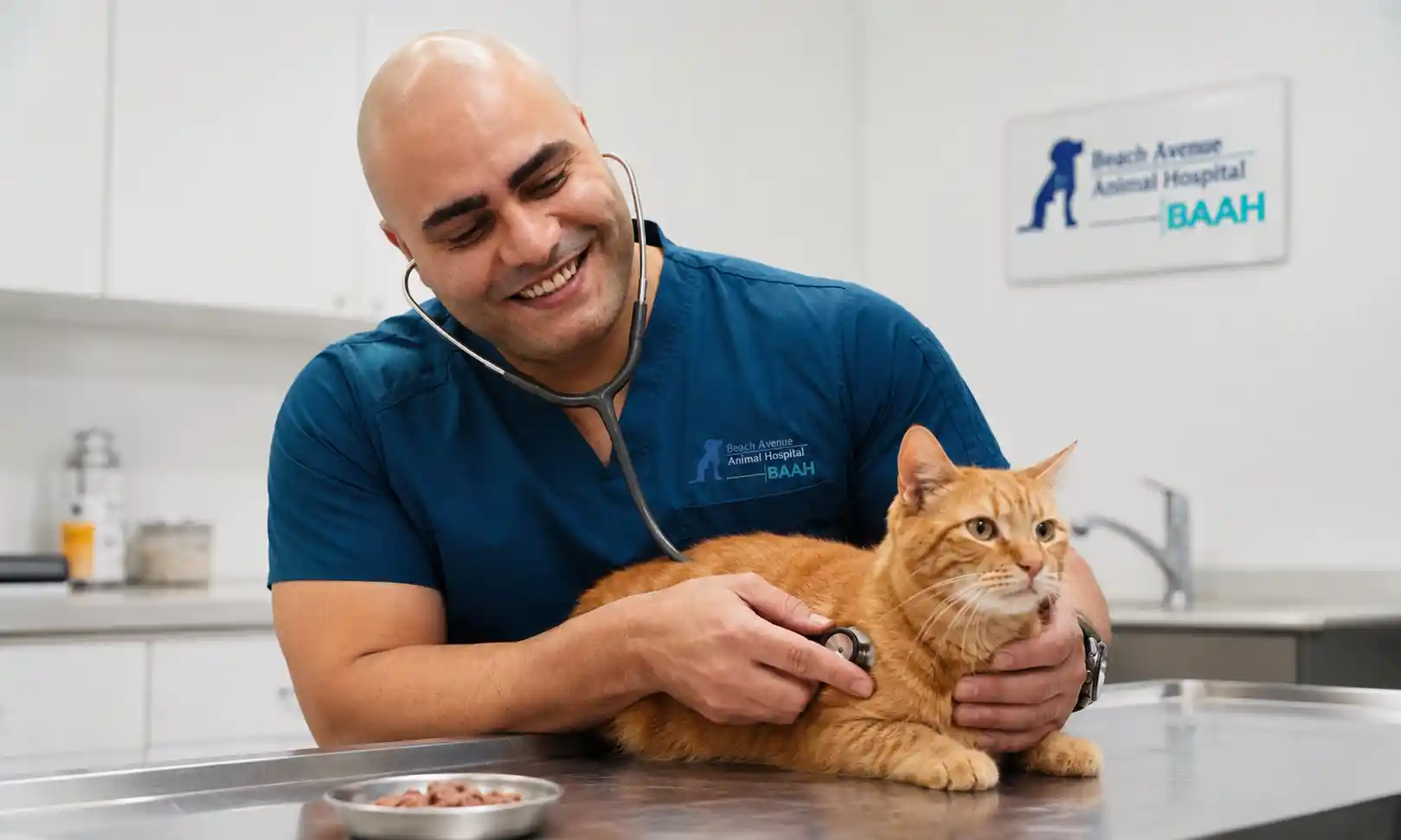
There is no single explanation for a cat not eating. Appetite is influenced by pain, nausea, smell, stress, metabolism, and many other factors.
1. Dental Pain and Oral Disease
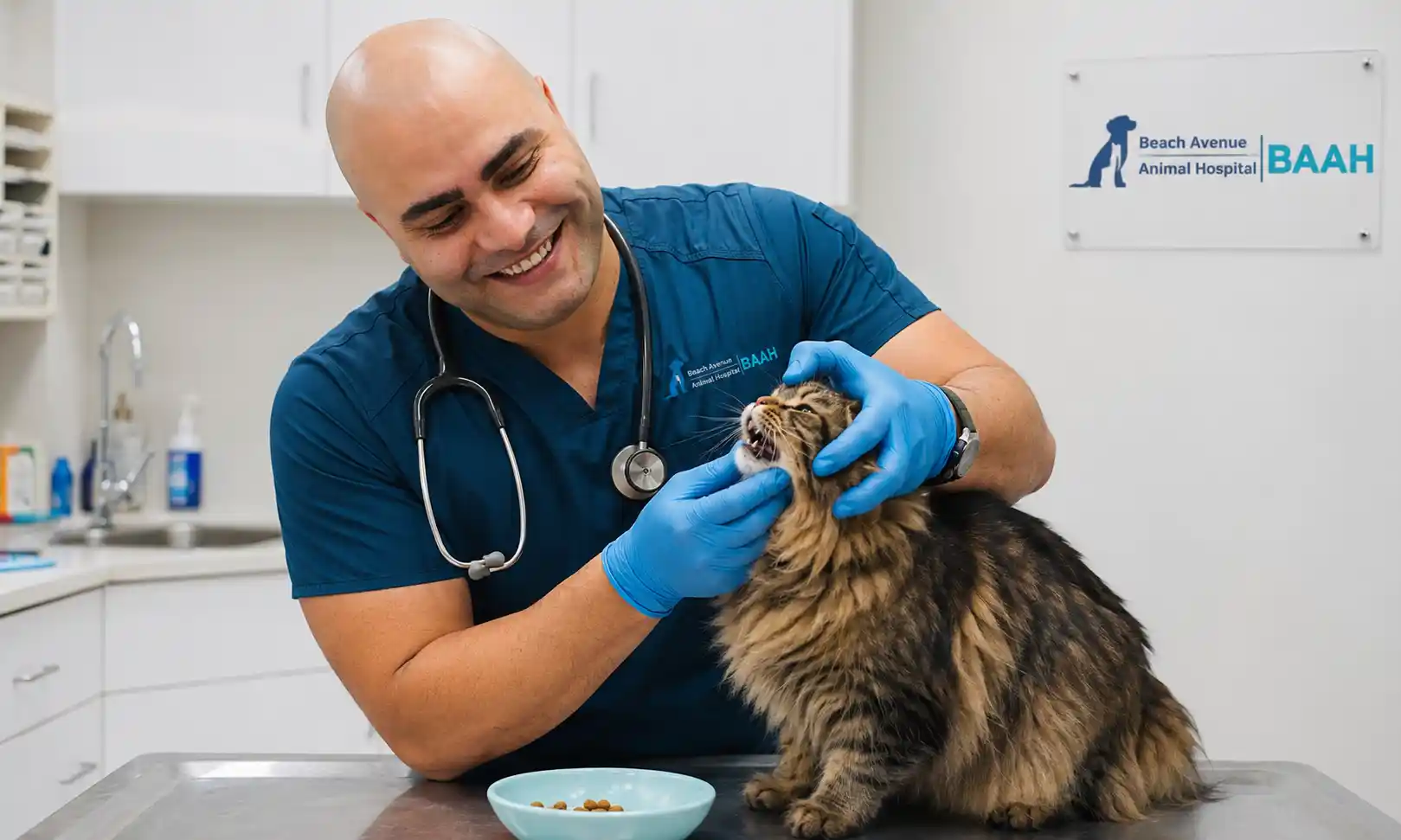
Cats with painful mouths may walk toward food because they are hungry, then hesitate once they try to chew. Gingivitis, periodontal disease, tooth resorption, fractured teeth, and oral inflammation can all make eating uncomfortable.
FelineVMA identifies periodontal disease and tooth resorption as important causes of chronic oral pain, and reduced food intake can be one of the resulting signs.
Watch for:
- Dropping kibble
- Chewing on one side
- Bad breath
- Drooling
- Pawing at the mouth
- Preferring soft food
- Approaching food but backing away
If these signs sound familiar, a veterinary oral examination is more useful than repeatedly changing foods. Vancouver owners researching cat dental care near me in Vancouver should look for a veterinary dental assessment that can evaluate problems above and below the gumline.
2. Nausea or Gastrointestinal Disease
A nauseated cat does not always vomit. Some cats simply sniff their meal, lick their lips, swallow repeatedly, or turn away.
Pancreatitis, gastrointestinal inflammation, intestinal obstruction, liver disorders, and other internal conditions may reduce appetite. Cornell notes that pancreatitis commonly involves reduced appetite, and nutritional support is an important part of preventing complications from prolonged anorexia.
If you are dealing with a cat not eating and vomiting, especially when vomiting is repeated, veterinary evaluation should not be delayed.
3. Kidney Disease or Other Internal Illness
Appetite loss is a clinical sign rather than a disease itself. Kidney disease, diabetes, liver disease, pancreatitis, hyperthyroidism, fever, and many other conditions can cause cats to stop eating.
This is one reason guessing at home can be difficult. Two cats showing exactly the same symptom may have completely different underlying problems.
Senior cats deserve particular attention. Cornell notes that kidney disease becomes more common with age and that dental disease can also interfere with eating in older cats.
4. Stress and Environmental Change
Cats depend heavily on familiar routines. Moving homes, construction noise, a new baby, another pet, visitors, boarding, or even relocating a food bowl can influence eating behavior.
Feline behavioral guidance recognizes appetite changes as one potential manifestation of stress. However, a medical cause should still be considered before assuming that appetite loss is purely behavioral.
Try to identify what changed just before the appetite problem appeared.
For example, a healthy cat that stops eating immediately after another cat joins the household might be stressed. But if appetite remains poor, a veterinary examination is still appropriate rather than assuming the new pet explains everything.
5. Upper Respiratory Problems
Smell plays an important role in a cat’s interest in food. Nasal congestion and respiratory illness can therefore affect appetite, particularly when a cat cannot smell its normal meal well.
Cornell reports that feline respiratory infections can be associated with anorexia and weight loss.
Sneezing, nasal discharge, eye discharge, noisy breathing, fever, and appetite loss together deserve veterinary attention.
Preventive health also matters. Owners reviewing their cat’s cat vaccination schedule can discuss appropriate protection with their veterinarian, and our Ultimate Guide to Cat Vaccinations in Vancouver can provide additional local information.
6. Pain Somewhere Else in the Body
The painful area does not have to be the mouth.
Arthritis, abdominal discomfort, injuries, urinary problems, and post-operative discomfort may change normal feeding behavior. An older arthritic cat might even eat less because reaching a bowl upstairs has become difficult. Cornell specifically notes that joint disease may make it harder for senior cats to access food and water.
A behavioral change can therefore provide an important clue.
The same principle applies to other unusual habits. If appetite changes occur alongside urinary changes, resources such as Why Is My Cat Peeing Outside The Litter Box? may help you recognize patterns worth discussing with your veterinarian.
7. Food Preference or a Feeding Change
Sometimes the explanation really is the food.
A manufacturer may have changed a formula, canned food may have been refrigerated too long for your cat’s preference, or a sudden switch from one diet to another may be rejected.
Cornell notes that some cats develop strong food preferences and may refuse unfamiliar diets. Still, persistent food refusal should not automatically be labelled “pickiness,” because medical conditions can look similar.
If my cat is not eating becomes a repeated concern rather than a one-meal event, speak with a veterinarian before continuously buying different foods.
Why Is My Cat Not Eating but Acting Normal?
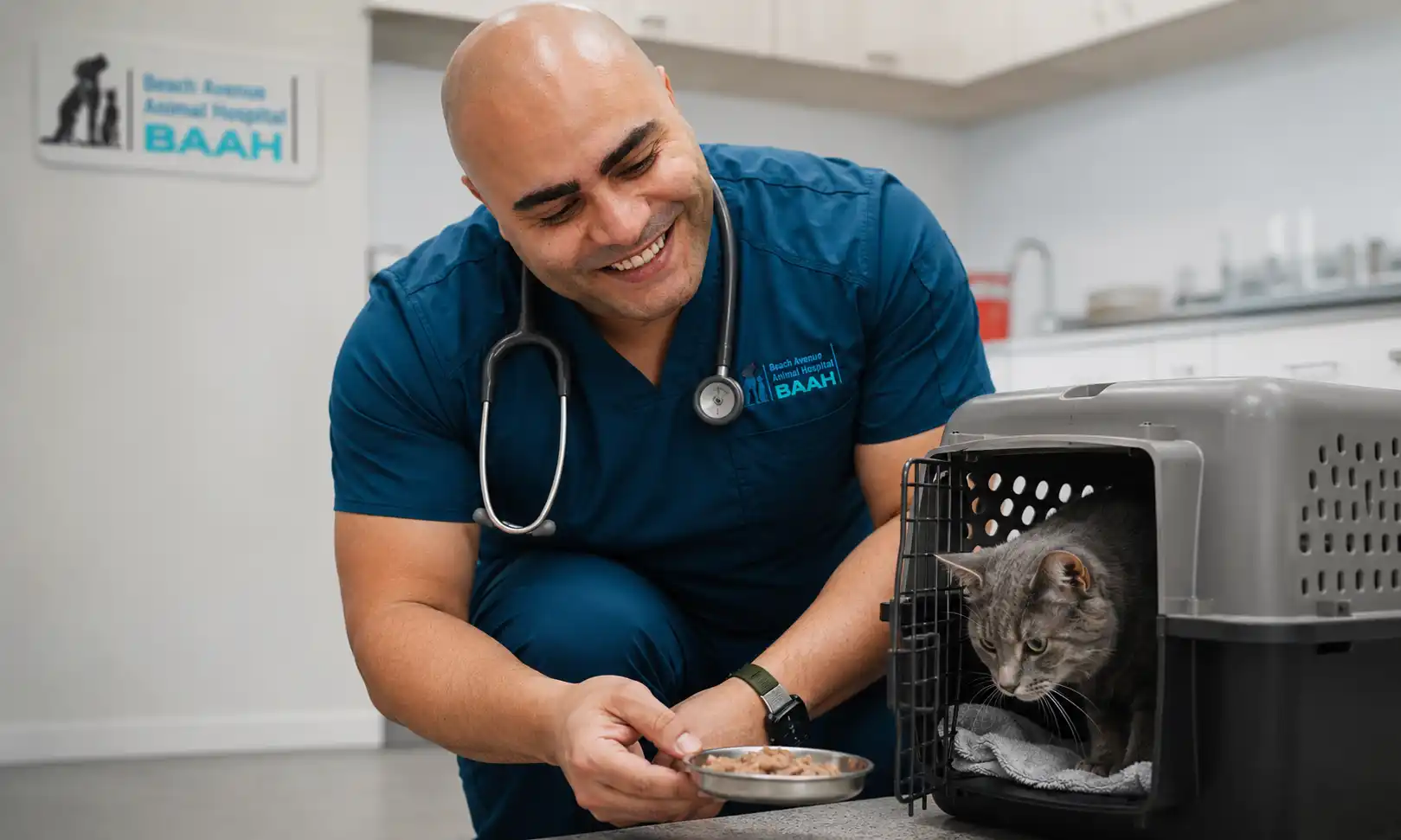
This is one of the most confusing situations for owners.
A cat not eating but acting normal may still walk around, play, groom, and interact with family members. Cats often hide illness remarkably well, so outwardly normal behavior does not rule out dental pain, nausea, early kidney problems, or other disease.
If you are asking why is my cat not eating but acting normal, pay attention to quantity as well as behavior. Did your cat truly eat nothing, or is it quietly consuming small amounts when nobody is watching?
Measure food for 24 hours rather than estimating. In multi-cat homes, consider feeding separately so you know exactly who is eating.
If appetite remains absent for approximately 24 hours, contact your veterinarian even if your cat still appears relatively comfortable.
What If My Cat Is Eating Less Than Usual?
A cat not eating as much can be easier to overlook than complete food refusal.
You might notice food remaining in the bowl every morning, slower eating, less interest in treats, or gradual weight loss. These subtle changes can matter, particularly in senior cats.
Keeping a simple seven-day food diary can be surprisingly useful:
- Record how much food is offered.
- Measure what remains.
- Note treats separately.
- Record vomiting or diarrhea.
- Watch water consumption.
- Weigh your cat if possible.
This provides your veterinarian with much better information than “I think she’s eating a little less.”
Cat Not Eating or Drinking: When It Becomes Urgent
A cat not eating or drinking requires closer attention because dehydration can compound the effects of poor calorie intake.
Signs that may accompany dehydration or illness include dry or tacky gums, weakness, sunken-looking eyes, reduced urination, hiding, and lethargy. If your cat refuses both food and water, call your veterinary clinic rather than waiting several days.
The statement my cat is not eating or drinking and very weak describes a situation that deserves urgent veterinary assessment. Severe weakness combined with poor intake can occur with dehydration, metabolic illness, infection, gastrointestinal disease, toxin exposure, and other serious conditions.
If your regular veterinarian is unavailable and your cat appears collapsed, severely weak, has difficulty breathing, repeatedly vomits, or seems rapidly worse, seek emergency veterinary care.
How Veterinarians Diagnose Appetite Loss
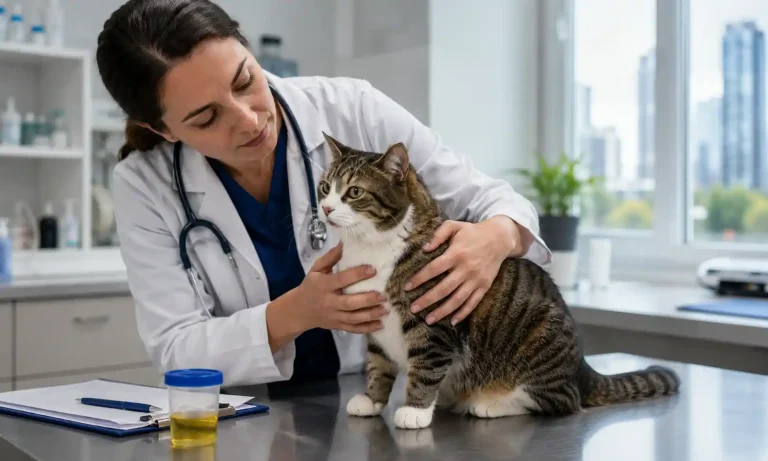
Because appetite loss has so many possible causes, diagnosis usually begins with history and a complete physical examination.
Your veterinarian may ask about:
- Recent diet changes
- How long appetite has been reduced
- Water consumption
- Vomiting or diarrhea
- Urination
- Weight loss
- Medications
- Possible toxin exposure
- Household changes
- Previous illnesses
Depending on the examination, further testing may include bloodwork, urinalysis, dental evaluation, X-rays, or ultrasound. Cornell emphasizes that the central challenge is identifying and treating the underlying cause rather than treating appetite loss as a disease by itself.
A Practical Vancouver Example
Consider a hypothetical 10-year-old indoor cat in Vancouver that normally eats breakfast immediately.
On Monday, she eats about half. By Tuesday morning, she only licks the gravy. She still walks around normally, but her owner notices that she approaches kibble and then backs away.
That pattern is more informative than simply saying “she is picky.”
A veterinary examination might reveal oral pain, while another cat with similar behavior might have nausea or kidney changes. The correct treatment therefore depends on diagnosis rather than trial-and-error appetite tricks.
For people looking for local support, Beach Avenue Animal Hospital aims to provide the attentive, evidence-informed feline care owners expect from the best vet clinic in Vancouver, with examination and diagnostic recommendations based on the individual cat.
Canadian Cat Health in Numbers
Cats remain Canada’s most numerous major household companion animal. The Canadian Animal Health Institute estimated 8.2 million pet cats in Canada in 2024, compared with approximately 7.2 million dogs. Cats averaged roughly one veterinary visit annually, compared with two for dogs.
Closer to home, cats and kittens represented 64.4% of animals admitted to BC SPCA community animal centers in 2025.
These numbers do not tell us how many cats develop appetite problems, but they highlight the importance of practical feline-specific health information for Canadian households.
What Can You Safely Do at Home?
If your cat skipped one meal but remains bright, comfortable, and otherwise normal, a short period of careful observation may be reasonable.
You can:
- Offer the familiar diet rather than constantly changing foods.
- Serve wet food slightly warmed to enhance aroma.
- Provide a quiet feeding area.
- Use clean bowls away from the litter box.
- Separate cats at mealtime in multi-cat homes.
- Record exactly how much is eaten.
- Keep fresh water easily accessible.
However, do not force-feed a sick cat without veterinary direction. Force-feeding can increase stress and may be unsafe in certain situations.
Also avoid giving human medications or appetite stimulants unless your veterinarian specifically prescribed them for that cat.
What About Recent Surgery or Preventive Care?
Tell your veterinarian about anything that happened shortly before appetite changed.
For example, if poor appetite appears around a recent cat neuter, medication change, dental procedure, or other treatment, that timeline can help the veterinary team assess the problem more efficiently.
Routine preventive visits also provide opportunities to document body weight and baseline health. Changes are easier to identify when there is something reliable to compare them with.
The Bottom Line: Don’t Ignore Persistent Appetite Loss
Seeing a cat not eating does not automatically mean something catastrophic is happening. Stress, food preferences, and temporary changes can affect appetite.
However, prolonged appetite loss should never simply be dismissed as a cat being stubborn.
The most useful rule is simple: know what is normal for your cat, measure changes, and act early when appetite does not return. If food refusal approaches 24 hours, or occurs alongside vomiting, weakness, dehydration, pain, weight loss, or other abnormal signs, seek veterinary advice promptly.
Early evaluation gives your veterinarian the best opportunity to identify dental disease, gastrointestinal problems, kidney or liver disease, stress-related changes, or another underlying condition before the situation becomes harder to manage.
Frequently Asked Questions
Is it normal for a cat to skip one meal?
Occasionally, a healthy cat may skip a meal. However, if appetite does not return or your cat reaches approximately 24 hours without eating, veterinary advice is recommended.
Can stress alone make a cat stop eating?
Yes, stress can alter feline appetite, especially after household or environmental changes. However, medical causes should be considered before assuming stress is the only explanation.
What if my cat is drinking water but not eating?
Drinking does not remove the concern about inadequate calorie intake. Monitor carefully and contact your veterinarian if your cat continues refusing food, particularly as the 24-hour mark approaches.
Why is my cat not eating and hiding?
Hiding combined with appetite loss can indicate stress, pain, nausea, fever, or other illness. Because cats naturally conceal discomfort, a persistent change in both eating and behavior deserves veterinary assessment.
When is a cat not eating an emergency?
Seek urgent care when appetite loss occurs with severe weakness, repeated vomiting, breathing difficulty, collapse, significant dehydration, suspected poisoning, or rapid deterioration. Young kittens and cats with existing diseases may need attention sooner.
Conclusion
When a cat suddenly loses interest in food, the goal is not simply to tempt them with something tastier. The real question is why the appetite changed.
Dental pain, nausea, kidney disease, pancreatitis, stress, respiratory illness, and other problems can all look similar at the food bowl. Watching closely, measuring intake, and contacting your veterinarian when appetite fails to return can make a meaningful difference.
For Vancouver cat owners, the safest approach is early, informed action rather than waiting for dramatic symptoms. Cats may be experts at hiding discomfort, but a change in eating habits is one signal worth listening to.