
Why Cat Vaccines Are Important
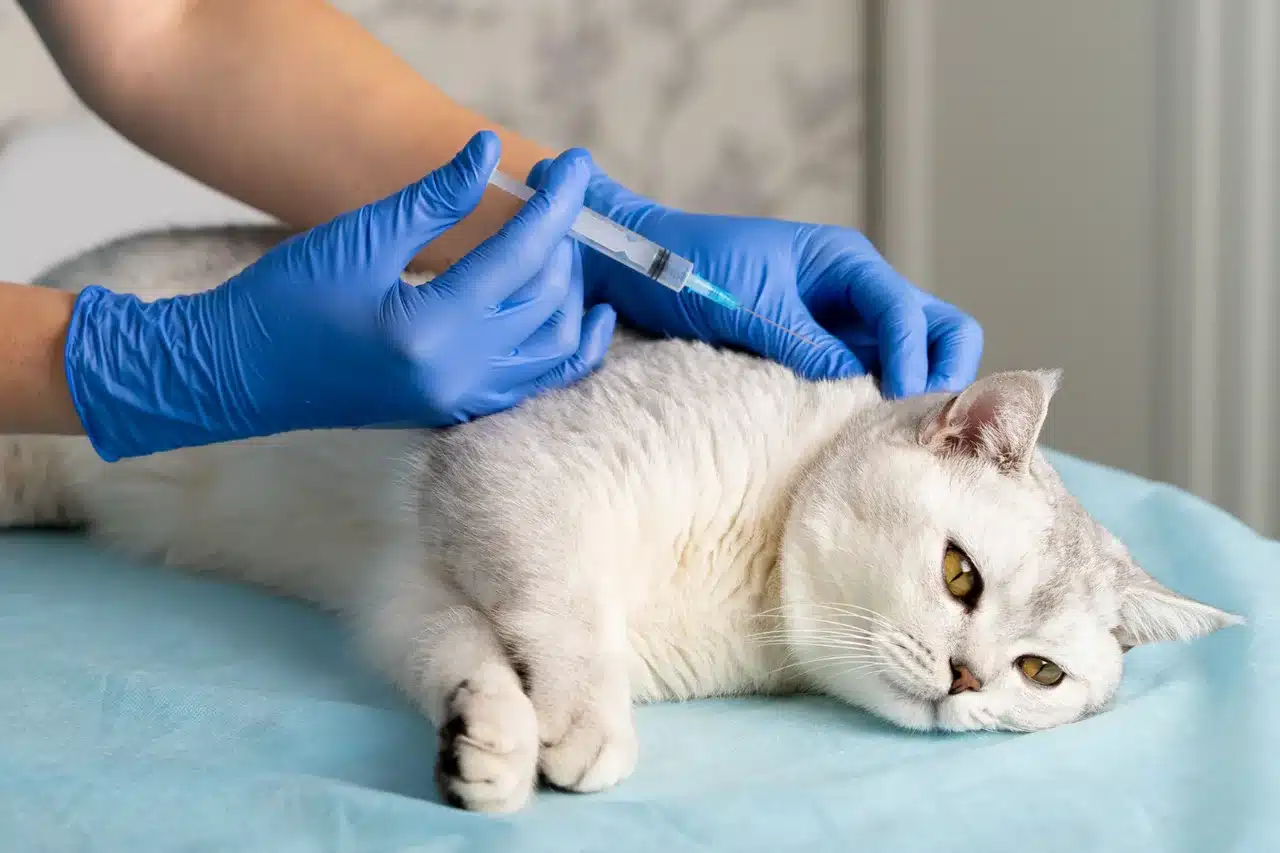
Vaccination helps protect cats from serious infectious diseases that may spread through other animals, shared environments, outdoor exposure, or unexpected contact. Keeping cat vaccines up to date gives your cat protection against preventable illnesses while supporting their long-term health. Even cats that spend most of their time indoors may benefit from vaccination based on their individual risk.
Cat Vaccination Services in Vancouver
Every cat is different, so we do not believe in giving every patient the exact same vaccine plan. At our cat vaccination clinic in Vancouver, our veterinarian considers your cat’s age, previous vaccine history, indoor or outdoor lifestyle, travel plans, health conditions, and contact with other animals before making recommendations.
If you have been searching for cat vaccines near me, Beach Avenue Animal Hospital provides personalized care in Vancouver with vaccination plans designed around your cat rather than a one-size-fits-all approach.
Here is a general look at vaccines your veterinarian may discuss with you:
Core Vaccines for Cats
- Feline panleukopenia virus
- Feline herpesvirus-1
- Feline calicivirus
- Rabies, based on individual risk, travel, and applicable requirements
Lifestyle-Based Vaccines for Cats
- Feline leukemia virus (FeLV)
- Other vaccines when specific lifestyle or exposure risks make them appropriate
Your veterinarian will explain which cat vaccines are recommended for your kitten or adult cat and which ones may not be necessary based on their lifestyle.
Cat Vaccination Schedule
A cat vaccination schedule usually begins during kittenhood, with several doses given over the first few months as immunity develops. The exact timing can vary depending on your kitten’s age, previous vaccination history, vaccine type, health, and individual risk factors.
After the initial kitten series, your veterinarian will determine the appropriate booster timing. Rather than following the same cat vaccines schedule for every patient, we review your cat’s records and lifestyle at each visit so vaccination stays appropriate throughout their life.
What to Expect at Your Cat’s Vaccination Appointment
A vaccination visit is more than a quick injection. Before giving cat vaccines, our veterinarian checks your cat’s general health and makes sure vaccination is appropriate that day.
During the appointment, our veterinary team will:
- Perform a physical examination.
- Review your cat’s previous vaccination records.
- Ask about indoor and outdoor exposure.
- Discuss travel, boarding, and contact with other animals.
- Recommend appropriate vaccines and boosters.
- Answer questions about benefits and possible reactions.
- Administer the vaccines carefully and efficiently.
- Explain what to watch for after your visit.
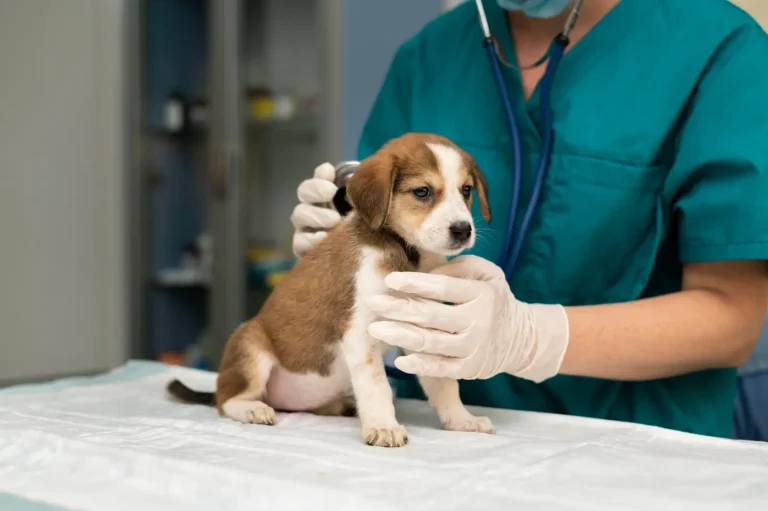
Combining vaccination with a pet wellness exam also gives our veterinarian an opportunity to notice changes in weight, skin, teeth, coat, heart, lungs, or general condition that may otherwise be easy to miss.
Schedule Your Cat’s Vaccination Appointment
Keeping cat vaccines current is an important part of protecting your cat at every stage of life. A thoughtful vaccine plan can reduce the risk of serious infectious disease without giving vaccines your cat does not need.
Contact Beach Avenue Animal Hospital in Vancouver to arrange a cat vaccination appointment. Bring any previous vaccine records you have, and our team can review them with you before recommending the next steps.
Complete Preventive Care for Your Cat
Vaccination works best as part of a broader health plan. Along with pet vaccination, our veterinary team can help with parasite prevention, nutrition, dental health, routine examinations, and other aspects of your cat’s ongoing care.
Cats visiting our vet clinic in Vancouver can also receive a pet wellness exam and preventive veterinary care, allowing us to look at the bigger picture rather than focusing only on vaccines.
For households with both cats and dogs, our team can also discuss dog vaccines and help you keep vaccination records organized for every pet in your family.
Why Choose Us for Cat Vaccines in Vancouver?
Our veterinary team takes time to understand your cat before recommending vaccination. We consider medical history, lifestyle, age, previous reactions, and exposure risks so your cat receives care that makes sense for their individual situation.
If you are searching for a vet veterinarian near me in Vancouver, our Beach Avenue clinic provides veterinary care for cats from Downtown Vancouver and surrounding neighborhoods, with a focus on clear communication and compassionate handling.
Remember
- Your cat’s vaccination needs can change as they get older.
- Bring previous vaccine records whenever possible.
- Tell your veterinarian if your cat has experienced a previous vaccine reaction.
- Ask about travel or boarding requirements before an upcoming trip.
- Contact the clinic if you notice anything unusual following vaccination.
Mild tiredness or tenderness can occur after vaccination, while more serious reactions are uncommon. Our team will explain what is expected after your appointment and when you should contact a veterinarian.
Cat Wellness
Good feline wellness care is about more than treating illness after symptoms appear. Routine examinations, appropriate cat vaccines, nutrition, parasite prevention, dental care, and early screening all play a role in helping cats stay comfortable and healthy.
At Beach Avenue Animal Hospital, we tailor wellness recommendations to your cat’s age and individual needs. During an examination, our veterinarian may check the eyes, ears, mouth, teeth, skin, coat, heart, lungs, abdomen, joints, body condition, and other areas that can provide important clues about overall health.
Depending on your cat’s age and lifestyle, we may also discuss parasite prevention, appropriate bloodwork, nutrition, dental health, behavior, and whether any changes are needed to their current cat vaccination schedule.
Adult Cat Wellness
Healthy-looking adult cats can still develop medical problems without obvious early symptoms. Regular examinations allow your veterinarian to establish a health baseline and investigate subtle changes before they become easier to notice at home.
Your adult cat’s lifestyle also matters. A cat living entirely indoors may have different exposure risks from one that spends time outdoors, lives with other cats, travels, or stays in boarding facilities.
During a wellness visit, our veterinarian can review your cat’s current cat vaccines, preventive treatments, nutrition, weight, dental health, and any physical or behavioral changes you have noticed.
If your adult cat’s vaccination records are incomplete or overdue, do not guess about restarting them. Bring whatever records you have to our cat vaccination clinic, and we can determine an appropriate plan based on your cat’s history.
Kitten Wellness
Congratulations on your new kitten!
The first few months are an important time for building healthy habits. Along with nutrition, parasite prevention, socialization, and routine examinations, cat vaccines help protect kittens while their immune system is still developing.
Schedule your kitten’s first veterinary examination soon after bringing them home. Our veterinarian can assess their health, review any vaccines given by the breeder, rescue, or previous owner, and build a plan for the months ahead.
Vaccines commonly discussed for kittens include protection against:
- Feline panleukopenia
- Feline herpesvirus-1
- Feline calicivirus
- Feline leukemia virus
- Rabies when appropriate
Because kittens require a series rather than a single visit, following the recommended cat vaccines schedule is important. The timing of each dose depends on your kitten’s age, previous vaccines, the vaccine being used, and your veterinarian’s assessment.
We can also discuss flea, tick, and parasite prevention during your kitten’s visits. Prevention recommendations may vary depending on whether your kitten lives completely indoors, goes outdoors, travels, or shares a home with other animals.
Kittens can also carry intestinal parasites without obvious symptoms. Your veterinarian may recommend testing or treatment based on your kitten’s history, age, origin, and individual risk.
By combining vaccination, parasite control, nutrition advice, and regular exams, you can give your kitten a strong start. We look forward to meeting your newest family member.
Senior Cat Wellness
As cats get older, preventive care becomes increasingly important. Senior cats may develop health changes gradually, and some problems can be difficult to recognize during their early stages.
Regular veterinary visits provide an opportunity to monitor changes in weight, mobility, appetite, behavior, dental health, kidney function, and other areas that become more important with age.
Common health concerns in older cats can include:
- Arthritis and reduced mobility
- Kidney disease
- Diabetes
- Thyroid disease
- Dental disease
- Heart disease
- Cancer
Vaccination does not automatically stop when a cat becomes senior. Instead, your veterinarian reviews health status, lifestyle, exposure risk, and vaccination history before deciding which cat vaccines should continue and how frequently they should be given.
If you have noticed changes in your senior cat’s appetite, activity, grooming, sleep, behavior, or litter-box habits, tell our veterinary team during the visit. Small changes can provide valuable information about your cat’s health.
A Personalized Vaccination Protocol for Every Cat
The idea that every cat should receive exactly the same vaccines on exactly the same timeline does not reflect individualized veterinary care. Vaccine decisions should consider the patient in front of us.
At Beach Avenue Animal Hospital, we develop a personalized vaccination protocol beginning in kittenhood and adjust it as your cat grows. Your veterinarian reviews age, lifestyle, medical history, previous vaccination, travel, and exposure to other animals before deciding what is appropriate.
If you have been comparing cat vaccines near me because your cat is newly adopted, overdue, or has an uncertain vaccination history, bring any available records to your appointment. We can review them and build a practical plan instead of making assumptions.