Introduction
Spaying your dog is a vital procedure that helps improve your pet’s long-term health and behavior. As a responsible pet owner, it’s crucial to understand how to prepare your dog for the surgery, what to expect on the big day, and how to care for your dog during the recovery process. In this guide, we’ll walk you through every step to ensure your pet’s experience is as smooth and stress-free as possible.
Why Spaying Your Dog Is Important
Spaying your dog offers numerous health benefits. It significantly reduces the risk of uterine infections, eliminates the possibility of unwanted pregnancies, and lowers the risk of breast cancer. Behavioral benefits include fewer hormone-driven behaviors like roaming or aggression. Overall, spaying your dog leads to a happier, healthier life for both you and your pet.
When to Schedule Your Dog’s Spay Surgery in Vancouver
Typically, spaying is performed on female dogs between 6 and 12 months of age. However, some factors like breed, size, and health may influence the timing. It’s best to consult with your veterinarian at Beach Avenue Animal Hospital, Vancouver, to determine the optimal time for your dog.
What to Do Before Spay Surgery for Your Dog
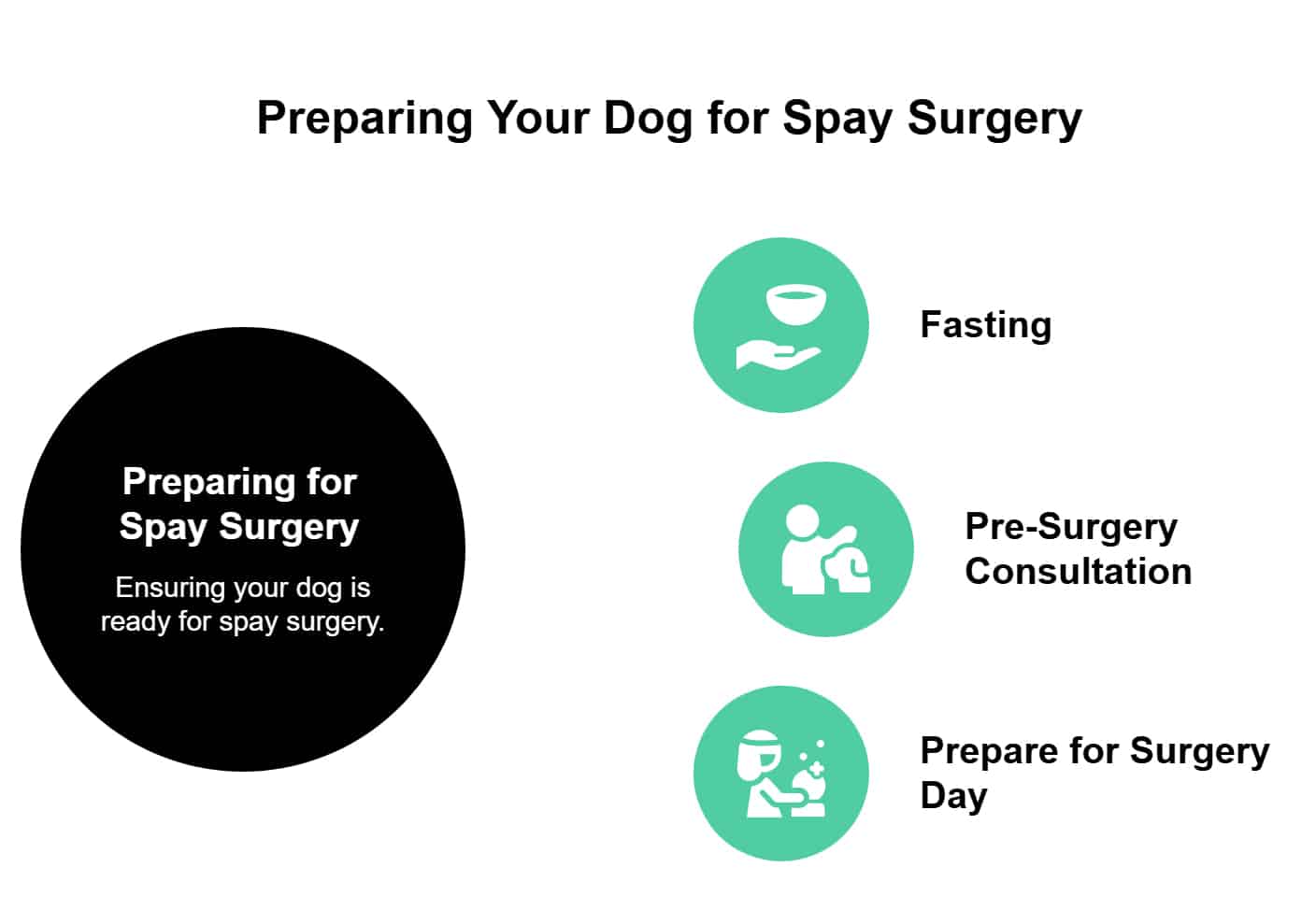
Preparing for spay surgery starts with ensuring your dog is in good health. Here are some key steps:
-
Fasting: Dogs need to fast for 12 hours before surgery. This means no food or water to avoid complications from anesthesia.
-
Pre-Surgery Consultation: Your vet will conduct a physical exam to ensure your dog is healthy enough for surgery. This is the time to discuss any concerns you may have.
-
Prepare for Surgery Day: Arrange transportation to and from the vet. Bring your dog in the morning, and don’t forget their favorite blanket or toy for comfort.
What to Expect on Surgery Day
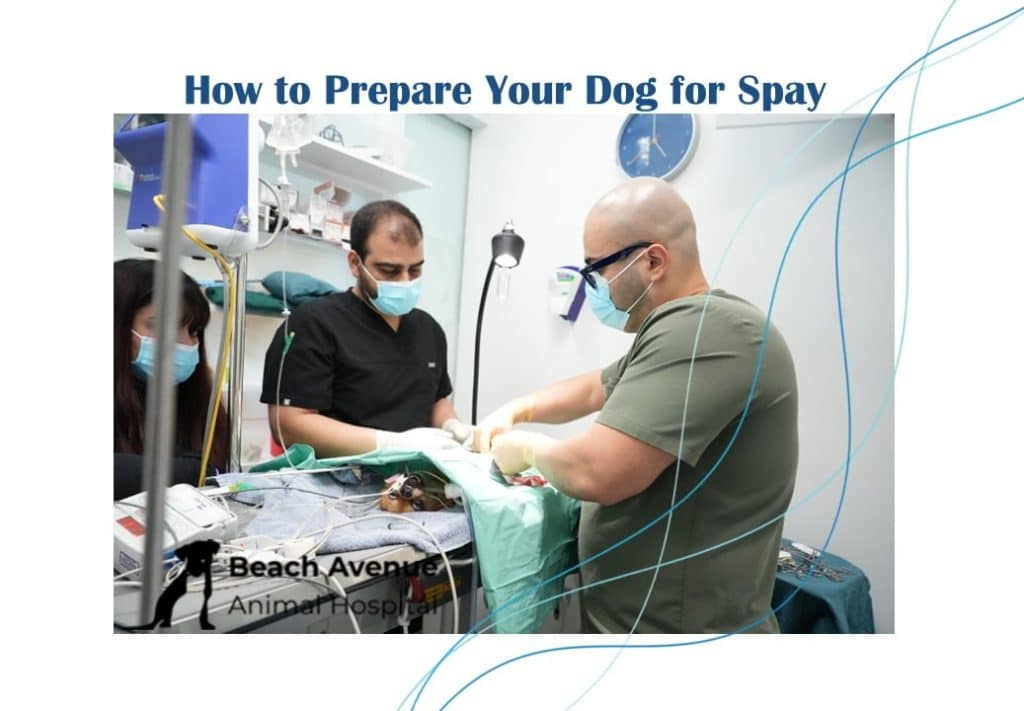
Spay surgery is generally straightforward and involves a quick procedure. Your dog will be placed under general anesthesia, so she won’t feel any pain. The surgery typically takes about 30-60 minutes, depending on your dog’s size and health. Afterward, your dog will be monitored closely until she’s awake and stable.

Post-Surgery Recovery Tips
Recovery from spay surgery usually takes around 10-14 days. Here’s how to support your pet during this time:
-
Rest: Limit your dog’s physical activity to help her heal. No running, jumping, or playing with other dogs for about two weeks.
-
Incision Care: Keep the surgical site clean and dry. Avoid letting your dog lick the incision, and consider using an Elizabethan collar to prevent licking.
-
Medications: Your veterinarian may prescribe pain relief and antibiotics to manage discomfort and prevent infection.
-
Follow-Up Visits: Ensure your dog attends a follow-up visit to monitor her recovery progress.

Signs Your Dog Is Recovering Well After Spay Surgery
A healthy recovery will include:
-
Gradual return of appetite and energy.
-
Healing incision site with no signs of infection (redness, swelling, or discharge).
-
A calm and comfortable demeanor.
-
Normal bathroom habits.
If you notice unusual behavior or symptoms like excessive bleeding, vomiting, or refusal to eat, contact your vet immediately.
When to Call the Vet After Spay Surgery
There are a few signs that may indicate complications, such as:
-
Increased swelling, redness, or discharge from the incision site.
-
Vomiting, diarrhea, or lethargy lasting more than 24 hours.
-
Difficulty urinating or defecating.
-
Signs of pain that are not controlled with prescribed medication.
If your dog exhibits any of these symptoms, contact your vet at Beach Avenue Animal Hospital for further evaluation.
Alternative Treatments and Follow-up Care
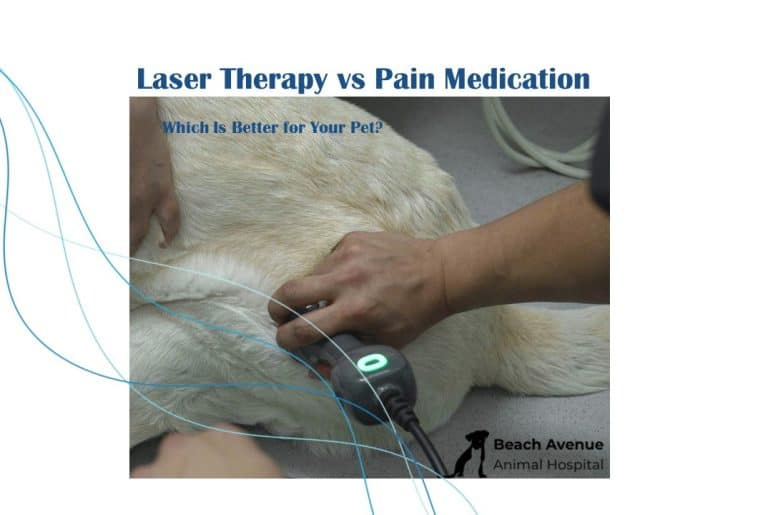
In addition to standard aftercare, some dogs benefit from laser therapy to reduce pain and speed up healing. Laser therapy is a non-invasive treatment that accelerates tissue repair, reduces inflammation, and relieves pain. Talk to your vet about whether laser therapy might be right for your dog.
Conclusion
Spaying your dog is an important part of responsible pet ownership that helps improve your dog’s overall health. By following the proper preparation guidelines, attending follow-up appointments, and ensuring a comfortable recovery process, your pet will have a smooth recovery and continue living a happy, healthy life.
If you have more questions or are ready to schedule an appointment, contact us at Beach Avenue Animal Hospital in Vancouver. Click here for directions to our clinic on Google Maps.
FAQs:
What is the best age to spay my dog?
- The ideal age for spaying is between 6-12 months, but it depends on your dog’s breed and health.
How long does recovery from spay surgery take?
- Recovery typically takes 10-14 days, with limited physical activity required.
Can my dog eat before the surgery?
- No, dogs must fast for 12 hours before surgery to prevent anesthesia complications.
What signs should I look for after spay surgery?
- Keep an eye on the incision site for infection, and ensure your dog resumes normal activity and appetite.
What are the benefits of spaying?
- Spaying prevents uterine infections, reduces cancer risk, and minimizes certain behavioral issues. (American Veterinary Medical Association)
Can my dog play after spay surgery?
- No, limit playtime for 2 weeks to allow for proper healing.
What if my dog licks her incision?
- Use an Elizabethan collar to prevent licking and infection.
How do I manage my dog’s pain after surgery?
- Follow the vet’s instructions for pain medications and keep your dog comfortable.
When should I call the vet after surgery?
- Contact your vet if your dog experiences unusual symptoms, such as vomiting or excessive bleeding.
Is laser therapy useful after spay surgery?
- Yes, laser therapy helps reduce pain, inflammation, and speeds up healing.
This article is written under the guidance of Dr. Omid Mavedati, a veterinarian in Vancouver, and you can learn more about his professional background on his LinkedIn profile.