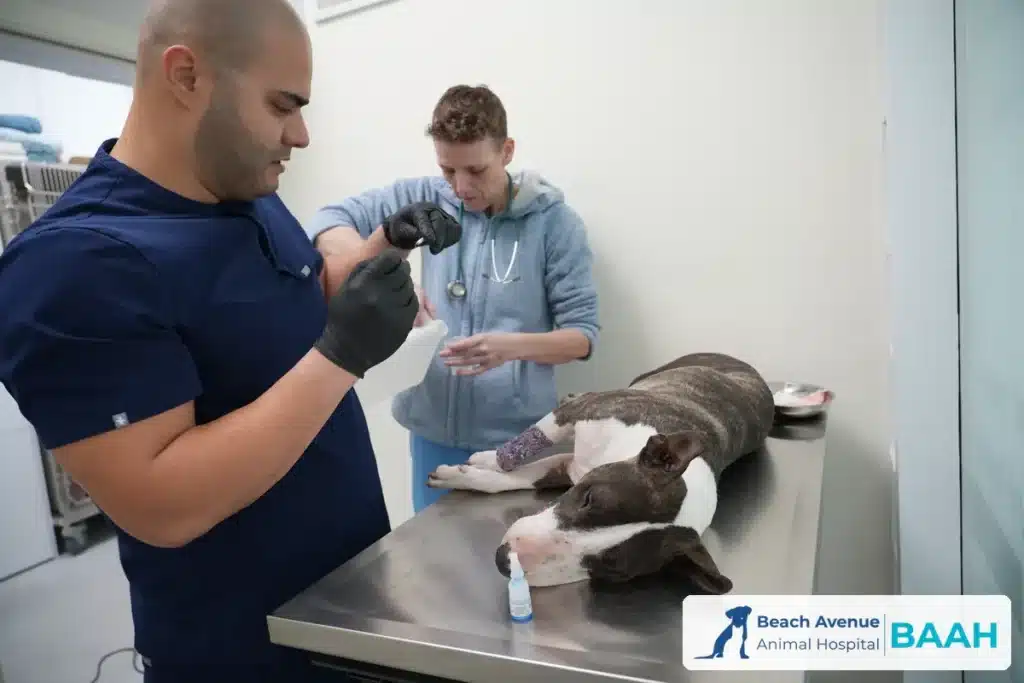
Bringing home a kitten is exciting, and one of the first decisions you will face is when to spay or neuter a cat. Timing matters: female cats can become sexually mature earlier than many owners expect, and an unplanned pregnancy can happen quickly. At Beach Avenue Animal Hospital, we help Vancouver cat owners choose the right moment based on their kitten’s age, health and development — not just the calendar.
When Should You Spay or Neuter a Kitten?
The Canadian Veterinary Medical Association generally recommends that cats not intended for breeding undergo sterilization by five months of age. This is particularly relevant because female cats can become sexually mature earlier than many owners expect.
However, the veterinarian should assess the kitten’s health, development, vaccination history, and readiness for anesthesia. Timing may be adjusted if the animal is ill, underweight, or requires treatment for an existing condition. A kitten checkup in Vancouver is the natural moment to have this conversation, so you can avoid an unplanned pregnancy while ensuring the procedure is appropriately scheduled.
Signs Your Cat Is Reaching Maturity
As kittens approach sexual maturity, behaviour often changes first. Female cats in heat may become unusually vocal, restless and affectionate, and may try to get outdoors. Male cats may start roaming, fighting with other cats, or urine marking around the home. If you are seeing these signs, your cat is telling you the time is close — book a consult so surgery can be planned before the behaviour becomes a habit or a litter arrives.
Male and Female Cats: How the Procedures Differ
Although both procedures prevent reproduction, the surgical techniques and recovery requirements are different.

A standard cat neuter involves surgically removing both testicles under general anesthesia. For cats with normally descended testicles, the procedure typically requires small incisions in the scrotal area, and these incisions often heal without external stitches. Complexity may rise if a testicle has not descended normally — a condition called cryptorchidism, which can require additional surgery to locate and remove the retained testicle.
Spaying involves removing the ovaries, sometimes together with the uterus. This typically requires an incision into the abdominal cavity, more extensive tissue handling, and surgical closure of several layers, so it generally involves greater surgical complexity and longer operating time. Heat cycles increase blood supply to reproductive tissues and can make surgery more complicated, and operating on a pregnant cat requires individual medical assessment — two more reasons to plan the timing with your vet rather than waiting.
Health Benefits of Spaying and Neutering
The health benefits of spaying and neutering extend beyond preventing pregnancy. For female cats, spaying prevents uterine infections when the uterus is removed and reduces the risk of mammary tumours, particularly when performed early. For males, neutering eliminates the risk of testicular cancer and can reduce hormone-related behaviours such as roaming, fighting, and urine marking. Sterilization also helps reduce unwanted litters and pressure on animal shelters — according to the BC SPCA’s 2025 Annual Report, the organization performed or facilitated 12,954 spay/neuter surgeries for homeless and community animals across British Columbia. The Canadian Veterinary Medical Association supports sterilization of cats not intended for breeding while recommending individualized veterinary decisions.

What Does It Cost?
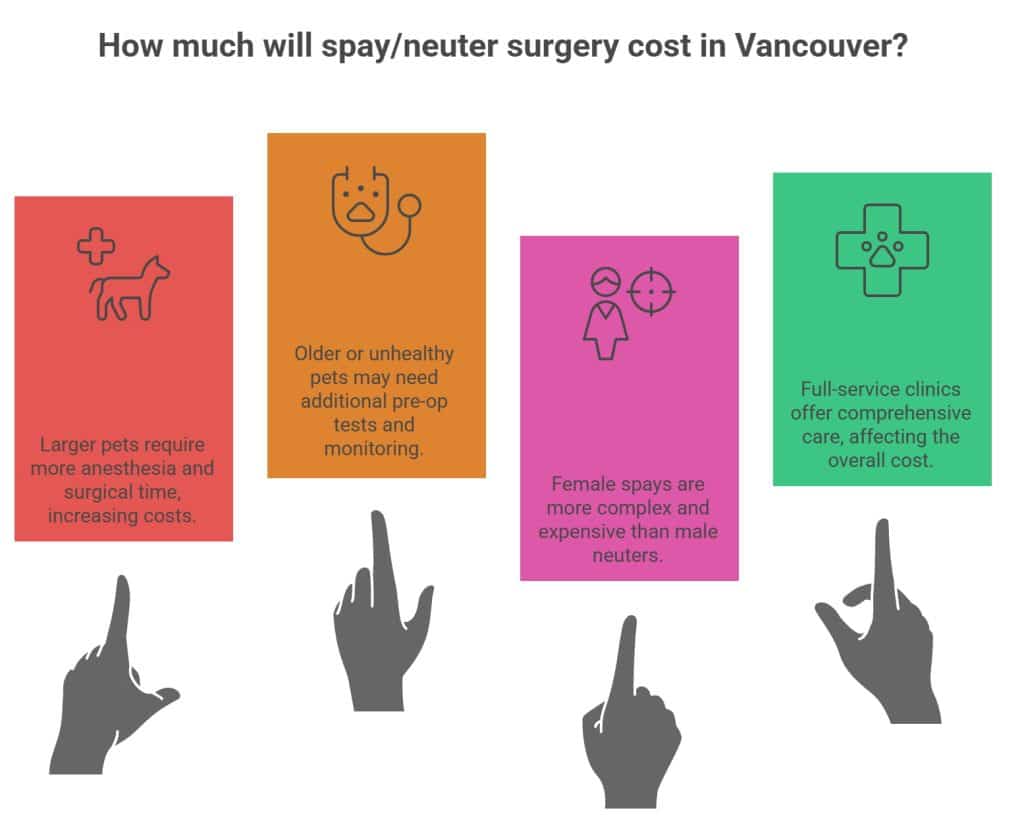
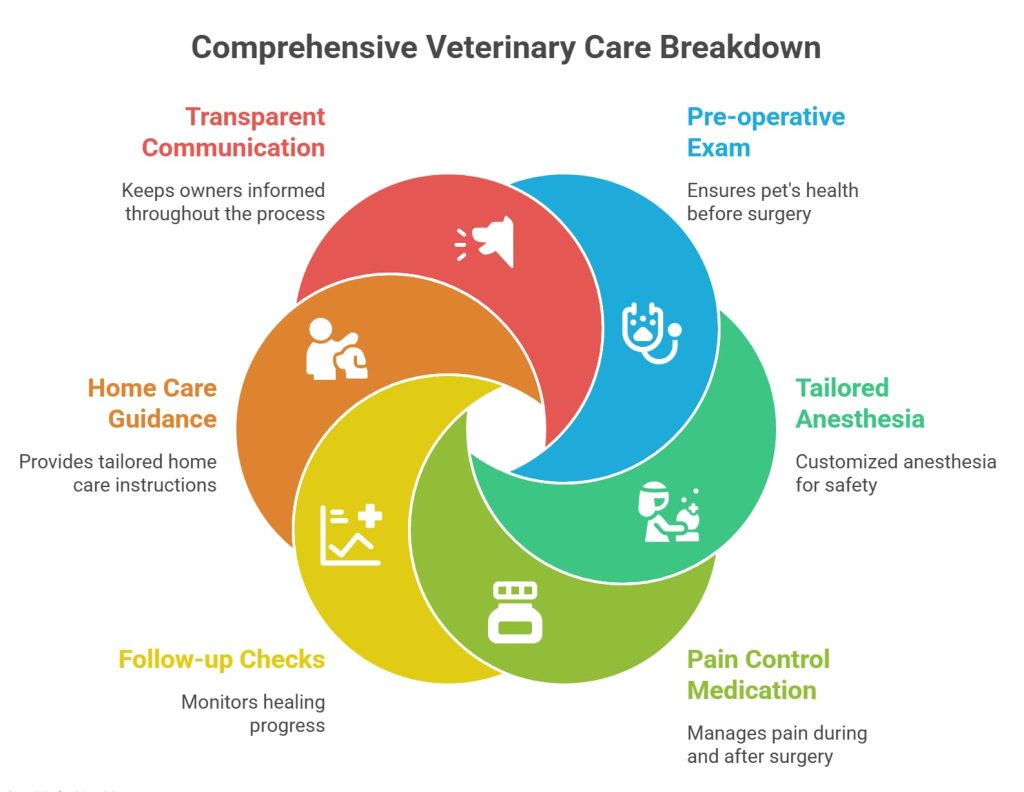
How much surgery costs depends on your cat’s sex, size, age and health, and on what the estimate includes, such as the pre-surgical exam, anesthesia monitoring and post-op care. Our spay and neuter cost in Vancouver page sets out the current figures and what is included, and we confirm your cat’s exact total after an exam — call (778) 784-7959 for an estimate for your pet.
Cat Neuter and Spay Recovery: What Happens After Surgery?
Recovery depends on the procedure performed, the cat’s condition, and the veterinarian’s instructions. Many cats become more alert within the first day after anesthesia, but incision healing takes longer.
Following uncomplicated neutering, male cats often recover relatively quickly. However, excessive jumping, running, and licking the incision can still interfere with healing, and activity may need to be restricted for several days or longer.
Female cats typically require more careful management because of the abdominal incision. According to VCA Canada’s veterinary aftercare guidance, activity restrictions commonly last 7–14 days following surgical procedures. During recovery:
- Provide a quiet, comfortable indoor resting area.
- Administer prescribed medications exactly as directed.
- Prevent licking or chewing of the incision.
- Inspect the surgical site daily.
- Contact the veterinarian if concerning symptoms develop.
Persistent bleeding, increasing swelling, discharge, difficulty breathing, repeated vomiting, or unusual lethargy requires veterinary attention. Owners should never administer human painkillers without veterinary authorization.
Can Spaying or Neutering Change a Cat’s Personality?
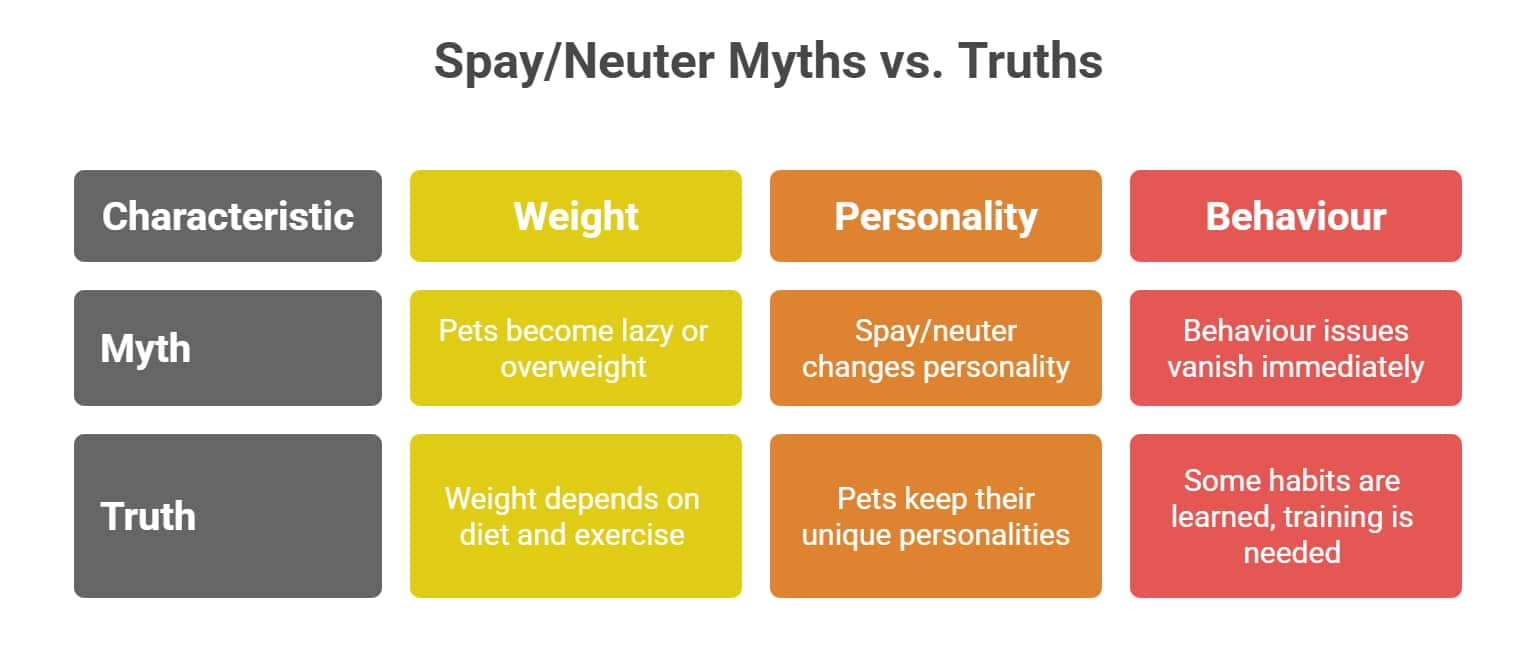
Concerns about personality change are common among first-time pet owners. Fortunately, sterilization does not usually change a cat’s fundamental temperament — affection, curiosity, and playfulness generally remain part of the animal’s personality. However, hormone-driven behaviours may decrease: female cats will no longer experience normal heat cycles after complete ovarian removal, while males may become less inclined to roam or urine-mark. These changes are not guaranteed to eliminate established behavioural problems. Nutrition should also be reviewed after surgery because energy requirements may change, increasing the risk of weight gain if feeding is not adjusted.
Book a Timing Consult
If you are unsure when to spay or neuter a cat, the safest step is an exam and a conversation. Our team can assess your cat’s individual needs, recommend the right timing, and provide a personalized surgical estimate. Call Beach Avenue Animal Hospital at (778) 784-7959 to book.
Frequently Asked Questions
1. When should I spay or neuter my kitten?
The Canadian Veterinary Medical Association generally recommends sterilization by five months of age for cats not intended for breeding. Your veterinarian will confirm the timing based on your kitten’s health, development and vaccination history.
2. Can a cat be spayed while she is in heat or pregnant?
It can be done, but heat increases blood supply to the reproductive tissues and pregnancy requires individual medical assessment, and either can make surgery more complicated. Talk to your vet about the safest timing for your cat.
3. How long does it take a cat to recover after neutering or spaying?
Many cats become alert within 24 hours, but healing takes longer. Depending on the surgery, activity restrictions may be recommended for approximately 7–14 days.
4. Will spaying or neutering change my cat’s personality?
Sterilization does not usually change a cat’s fundamental temperament. Hormone-driven behaviours such as roaming, urine marking and heat cycles usually decrease, while affection and playfulness remain.
5. How is the price for my cat’s spay or neuter confirmed?
At Beach Avenue Animal Hospital, cat neuters start from $250, and your cat’s exact price depends on her or his size, age and health — we confirm it before you book. See our spay and neuter page for what is included, or call (778) 784-7959 for an estimate.
Sources
- Canadian Veterinary Medical Association — Spaying and Neutering of Dogs and Cats
- BC SPCA — 2025 Annual Report
- VCA Canada — veterinary aftercare guidance (activity restrictions after surgery)