
Watching a dog struggle with stiffness, limping, or reduced mobility can be difficult for any pet owner. Arthritis and joint pain are among the most common health problems affecting dogs, especially as they age. These conditions can gradually reduce a dog’s comfort, energy, and ability to enjoy everyday activities like walking, playing, or climbing stairs.
Modern veterinary medicine now offers several treatment options that help manage pain and improve mobility. One treatment that has gained increasing attention in recent years is veterinary laser therapy. Many veterinarians use laser therapy as a gentle, non-invasive method to help dogs recover from injuries, reduce inflammation, and manage chronic conditions like arthritis.
In this guide, we will explain how laser therapy for dogs works, which conditions benefit most from it, and what pet owners in Vancouver should know when considering this treatment for their pets.
Understanding Arthritis in Dogs
Arthritis, also called degenerative joint disease, occurs when the protective cartilage inside a joint gradually breaks down. This leads to inflammation, stiffness, and pain during movement.
Dogs of all sizes and breeds can develop arthritis, but the condition is more common in:
-
Senior dogs
-
Large breeds such as Labradors, German Shepherds, and Golden Retrievers
-
Dogs with hip dysplasia or elbow dysplasia
-
Dogs recovering from orthopedic injuries
-
Pets that have undergone joint surgery
As arthritis progresses, many dogs begin to show noticeable changes in their behavior or mobility.
Common Signs of Arthritis in Dogs
Pet owners often notice subtle signs before the condition becomes severe. These may include:
-
Stiffness after resting
-
Difficulty standing up
-
Limping after exercise
-
Reluctance to jump or climb stairs
-
Reduced interest in walks or playtime
-
Sensitivity when joints are touched
If these symptoms appear, a veterinarian can evaluate your dog’s joints and recommend treatment options to manage pain and improve quality of life.
What Is Laser Therapy for Dogs?
Laser therapy, sometimes called cold laser therapy or low-level laser therapy, uses specific wavelengths of light to stimulate healing within tissues.
The light energy penetrates the skin and interacts with cells in muscles, joints, and connective tissue. This process is known as photobiomodulation, which essentially means using light to trigger biological healing responses.
Veterinary laser therapy can help:
-
Reduce inflammation
-
Improve blood circulation
-
Stimulate cellular repair
-
Decrease pain signals in nerves
Because the treatment is non-invasive and painless, it is commonly used in veterinary clinics for both acute injuries and chronic conditions.
Many veterinarians recommend laser therapy as part of a broader treatment plan that may also include medication, physical rehabilitation, weight management, or dietary adjustments. Learn more about laser therapy for dogs and cats.
How Laser Therapy Helps Dogs With Arthritis
When arthritis develops, inflammation inside the joint causes pain and limits mobility. Laser therapy works by targeting this inflammation and encouraging natural healing processes in the surrounding tissues.
Several beneficial effects occur during treatment.
Reduced Inflammation
Inflamed joints produce chemicals that increase swelling and pain. Laser therapy helps decrease inflammatory signals in the affected area, allowing tissues to recover more efficiently.
Improved Blood Circulation
Laser light stimulates microcirculation, which increases oxygen and nutrient delivery to damaged tissues. Improved circulation helps remove metabolic waste products that contribute to pain.
Pain Relief
Laser therapy can influence nerve activity in the treated area. This helps reduce pain signals sent to the brain and can make movement more comfortable for the dog.
Tissue Healing
By activating cellular metabolism, laser therapy supports the repair of muscles, tendons, ligaments, and connective tissue around the joint.
These combined effects can help many dogs move more comfortably and maintain a higher level of activity.
Conditions That May Benefit From Laser Therapy
Although arthritis is one of the most common reasons veterinarians recommend laser therapy, the treatment is also used for several other conditions.
These may include:
-
Hip dysplasia
-
Elbow dysplasia
-
Soft tissue injuries
-
Muscle strains
-
Ligament injuries
-
Post-surgical recovery
-
Intervertebral disc disease
-
Chronic inflammation
-
Wound healing
Because the therapy stimulates natural healing processes, it can support recovery across many types of musculoskeletal problems.
What Happens During a Laser Therapy Session?
One reason many pet owners appreciate laser therapy is that the treatment is quick and stress-free for most dogs.
-
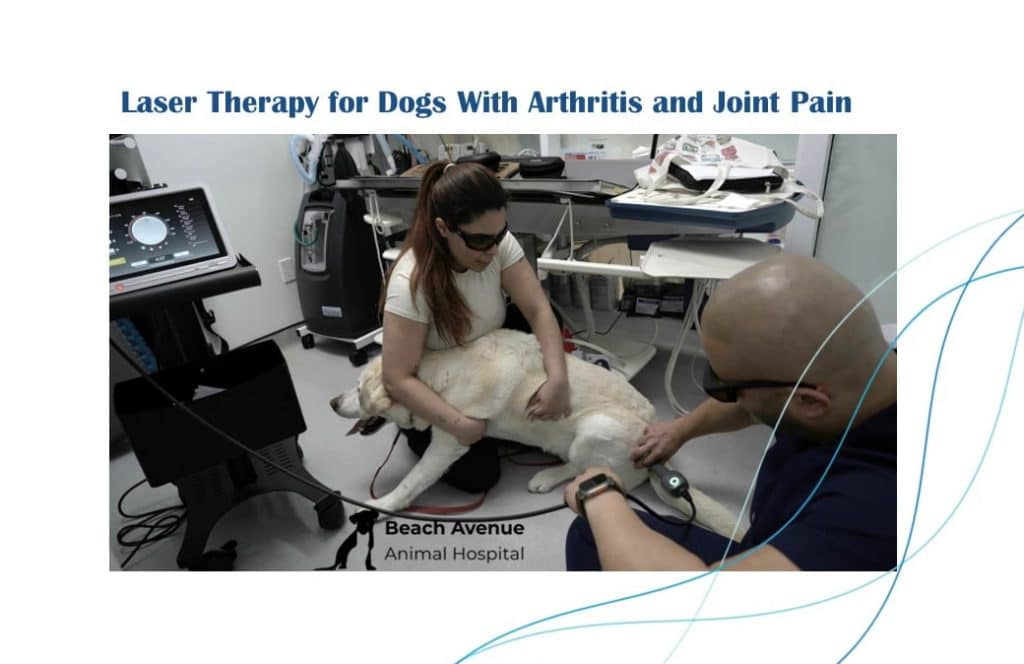
The veterinarian or veterinary technician positions a handheld laser device over the affected area.
-
The device delivers controlled light energy to the tissues.
-
Protective eyewear is worn by both staff and pets as a safety precaution.
-
The treatment usually lasts between 5 and 15 minutes, depending on the area being treated.
Most dogs remain relaxed during the session, and many appear comfortable enough to lie down or rest.
Some pets even seem to enjoy the warmth produced by the laser.
How Many Sessions Do Dogs Usually Need?
The number of laser therapy sessions varies depending on the condition being treated.
For chronic conditions like arthritis, veterinarians often recommend an initial series of treatments to reduce inflammation and stabilize the joint.
Typical treatment plans may involve:
-
Several sessions over the first few weeks
-
Follow-up treatments spaced further apart
-
Periodic maintenance sessions for chronic conditions
Each dog responds differently, so the veterinarian will monitor progress and adjust the treatment plan accordingly.
Is Laser Therapy Safe for Dogs?
Veterinary laser therapy is generally considered very safe when performed by trained professionals using medical-grade equipment.
The treatment is:
-
Non-invasive
-
Drug-free
-
Painless for most animals
-
Free of surgical risks
Because it does not involve medication, laser therapy is sometimes used alongside other treatments to reduce reliance on long-term pain medications.
However, there are certain situations where laser therapy may not be recommended. A veterinarian will always evaluate a pet’s health history before beginning treatment.
If you are interested in learning about these situations, you can read more in our guide explaining cases when laser therapy may not be recommended for pets.
When Should Pet Owners Consider Laser Therapy?
Laser therapy may be worth discussing with your veterinarian if your dog is experiencing:
-
Chronic arthritis pain
-
Joint stiffness or mobility issues
-
Slow recovery from injury
-
Inflammation after surgery
-
Reduced activity due to discomfort
Early treatment can often help manage pain before mobility declines further.
Veterinarians frequently combine laser therapy with other supportive treatments to provide the best possible outcome for pets dealing with joint problems.
Laser Therapy Services at Beach Avenue Animal Hospital
Veterinary laser therapy is one of the many advanced treatment options available at Beach Avenue Animal Hospital in Vancouver. Our team uses modern diagnostic tools and treatment techniques to help pets recover comfortably from injuries and chronic conditions.
Laser therapy is often recommended as part of a comprehensive care plan that may include diagnostic evaluation, pain management, rehabilitation strategies, and ongoing monitoring.
Pet owners interested in learning more about this treatment can explore our detailed overview of laser therapy for dogs and cats on our website.

Arthritis and joint pain can significantly affect a dog’s quality of life, but modern veterinary treatments are making it easier to manage these conditions than ever before.
Laser therapy offers a gentle, non-invasive way to reduce inflammation, relieve pain, and support healing. For many dogs, it becomes an important part of maintaining mobility and comfort as they age.
If your dog has begun showing signs of stiffness, limping, or reduced activity, a veterinarian can help determine whether laser therapy may be a beneficial option as part of a personalized treatment plan.
Frequently Asked Questions
Does laser therapy really work for dogs with arthritis?
Many veterinarians use laser therapy to help manage arthritis because it reduces inflammation and supports tissue healing. While results vary between pets, many dogs experience improved mobility and reduced pain.
Is laser therapy painful for dogs?
No. Laser therapy is typically painless. Most dogs remain calm during treatment and may even relax during the session.
How quickly can laser therapy help a dog?
Some dogs show improvement after the first few sessions, while others require a longer treatment plan. Chronic conditions like arthritis usually benefit from multiple treatments.
Can laser therapy replace arthritis medication?
Laser therapy does not always replace medication, but it can sometimes reduce the amount of medication needed by improving pain control naturally.
Are there side effects from laser therapy?
When performed by trained veterinary professionals, laser therapy has very few risks and is generally considered a safe treatment for many dogs.
About the Author
Dr. Omid Mavedati is a veterinarian at Beach Avenue Animal Hospital in Vancouver with extensive experience in advanced veterinary treatments including laser therapy, allergy management, and surgical care. His focus is helping pets live healthier and more comfortable lives through modern veterinary medicine and compassionate care.
Learn more about Dr. Omid Mavedati on his LinkedIn profile.