As a responsible pet owner, you want to ensure your cat is healthy, happy, and protected from harmful diseases. Vaccinations play a crucial role in your cat’s overall health and well-being. At Beach Avenue Animal Hospital, we understand that navigating the world of cat vaccinations can be overwhelming, which is why we’ve created this comprehensive guide to help Vancouver, North Vancouver, and West Vancouver cat owners understand the shots their pets need and when to get them.
Core Vaccines for Cats
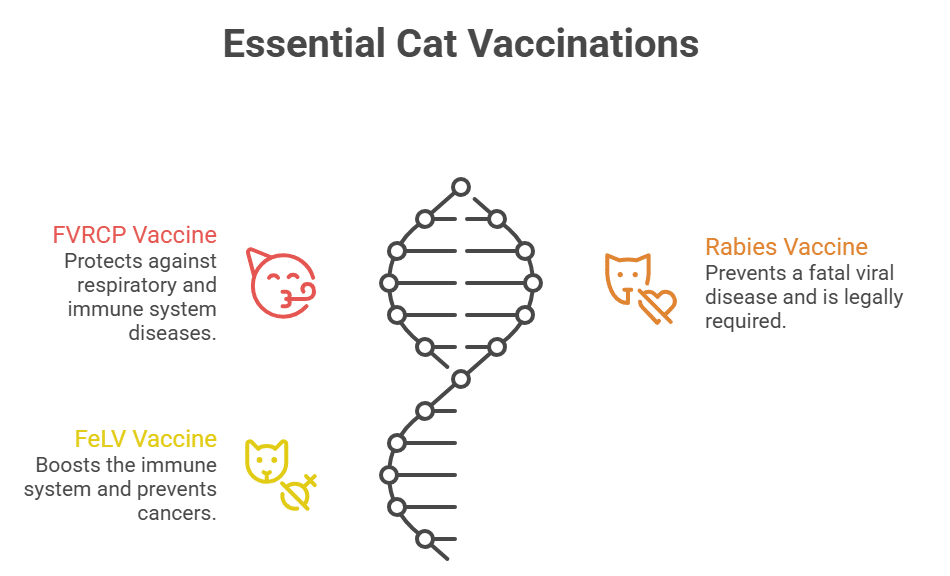
Vaccines are categorized as core and non-core depending on the risk of exposure to certain diseases. Core vaccines are essential for every cat, regardless of whether they are indoor or outdoor.
1. FVRCP (Feline Viral Rhinotracheitis, Calicivirus, and Panleukopenia)
The FVRCP vaccine is a combination vaccine that protects your cat from three serious viral infections:
-
Feline Viral Rhinotracheitis (FVR): Caused by feline herpesvirus 1, this disease affects your cat’s respiratory system and can cause symptoms like sneezing, nasal discharge, and conjunctivitis.
-
Feline Calicivirus (FCV): Another viral disease that causes respiratory infections, ulcers in the mouth, and sometimes arthritis in cats.
-
Feline Panleukopenia (Distemper): A deadly virus that attacks the immune system, leaving cats vulnerable to secondary infections, dehydration, and death.
When to vaccinate:
-
Kittens: The first dose is given at 8 weeks, followed by boosters at 12 and 16 weeks.
-
Adult Cats: A booster is administered after one year, then every 1–3 years thereafter depending on the vaccine used.
2. Rabies Vaccine
Rabies is a fatal viral disease that affects the brain and spinal cord. It is required by law in many areas, including Vancouver. Even if your cat is primarily indoor, rabies vaccination is a must to protect against potential exposure.
When to vaccinate:
-
Kittens: The rabies vaccine is usually administered at 12–16 weeks of age.
-
Adult Cats: After the initial vaccine, cats receive a booster shot at 1 year, then typically every 3 years, depending on local regulations.
3. Feline Leukemia Virus (FeLV)
FeLV is a viral disease that compromises the immune system and makes cats more susceptible to infections, cancers, and other diseases. This vaccine is strongly recommended for cats that go outdoors or have contact with other unknown cats.
When to vaccinate:
-
Kittens: The vaccine is given as part of the kitten series, starting at 8–9 weeks, with a booster at 12 weeks.
-
Adult Cats: If your adult cat has never been vaccinated, a two-dose series is given, followed by annual boosters if needed.
Lifestyle-Based Vaccines
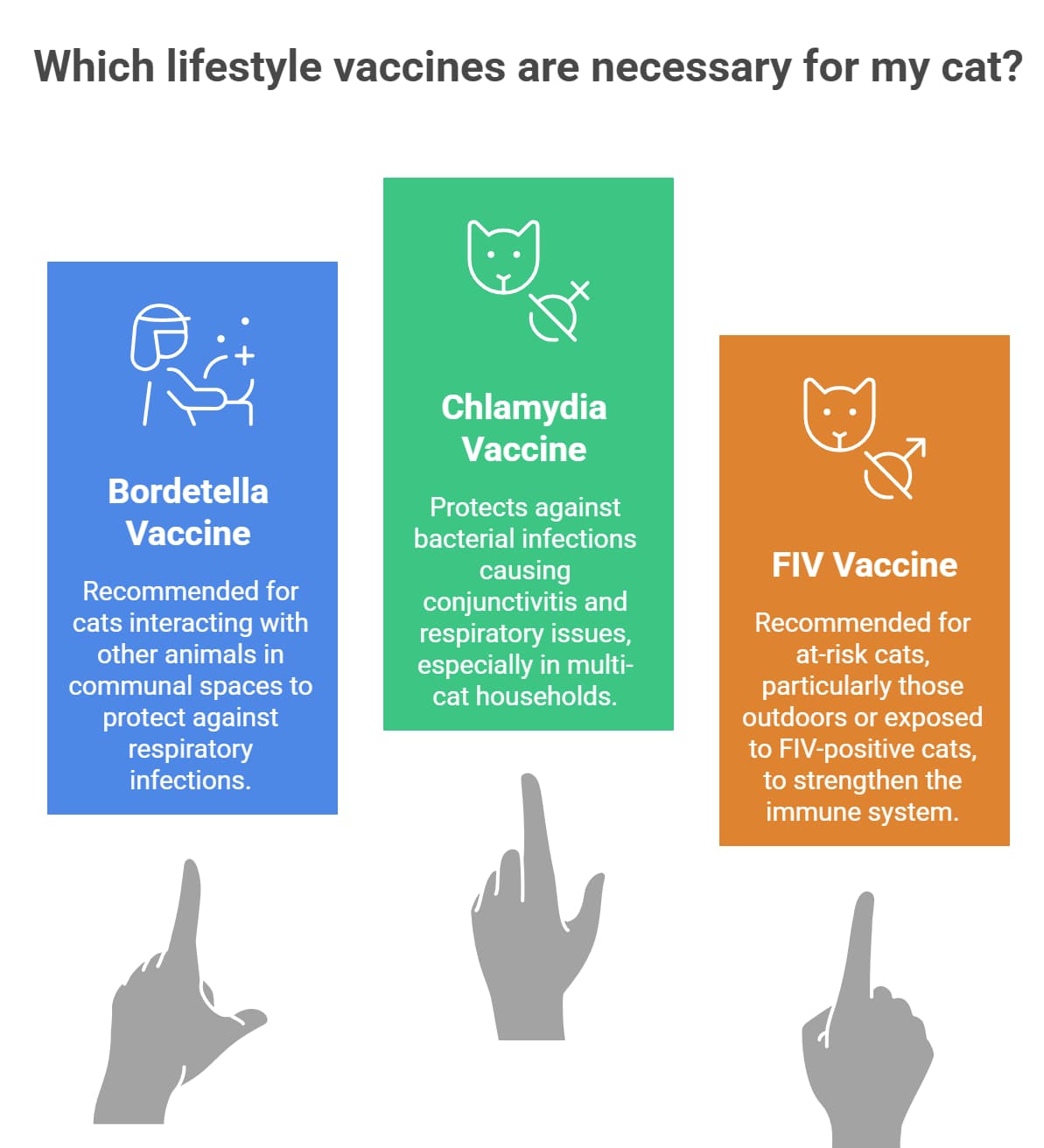
In addition to core vaccines, there are lifestyle vaccines that may be necessary depending on your cat’s environment, activities, and exposure risks.
4. Bordetella (Kennel Cough)
The Bordetella vaccine is recommended for cats who interact with other animals in places like boarding facilities, grooming salons, and shelters. It helps protect against respiratory infections caused by the Bordetella bronchiseptica bacteria.
When to vaccinate:
-
Typically administered every 6–12 months, especially for cats exposed to communal spaces.
5. Chlamydia Vaccine
The Chlamydia vaccine protects against bacterial infections that cause conjunctivitis (eye infections) and respiratory issues in cats.
When to vaccinate:
-
Recommended for cats that are at higher risk, particularly in multi-cat households or shelters.
6. Feline Immunodeficiency Virus (FIV)
FIV is a viral infection that weakens the immune system in cats, similar to HIV in humans. The FIV vaccine is recommended for at-risk cats, especially those that spend time outdoors or are exposed to FIV-positive cats.
When to vaccinate:
-
The vaccine is usually administered in a series of two doses, followed by annual boosters.
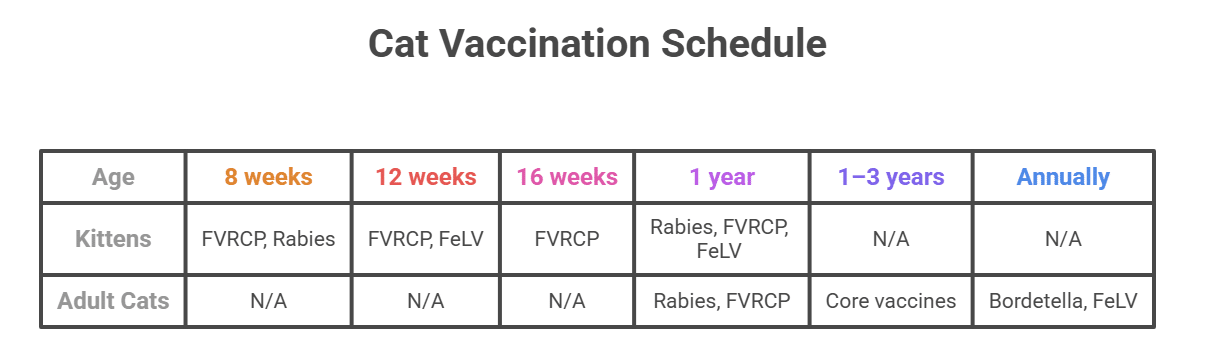
The Vaccination Schedule: What to Expect
For Kittens:
-
8 weeks: First round of vaccinations (FVRCP, Rabies)
-
12 weeks: Second round (FVRCP, FeLV)
-
16 weeks: Third round of vaccinations (FVRCP)
-
1 year: Booster for core vaccines (Rabies, FVRCP, FeLV)
For Adult Cats:
-
1 year: Booster shots for core vaccines (Rabies, FVRCP)
-
Every 1–3 years: Booster for core vaccines, depending on vaccine type and vet recommendations
-
Lifestyle vaccines: Annually for Bordetella and FeLV, based on risk factors
Why Regular Vaccinations Are Crucial for Your Cat’s Health
Regular vaccinations not only protect your cat from potentially deadly diseases but also prevent the spread of infections to other pets. By vaccinating your cat, you are:
-
Preventing serious diseases: Diseases like rabies, distemper, and leukemia are preventable with vaccinations.
-
Maintaining public health: Vaccinating against rabies is essential for the safety of both pets and humans.
-
Helping your cat live a longer, healthier life: Vaccines protect your cat from diseases that can lead to severe illness, pain, or early death.
Side Effects and What to Expect After Vaccination
Vaccines are generally safe, and side effects are rare. However, some cats may experience mild symptoms after vaccination, including:
-
Lethargy for 24–48 hours
-
Localized swelling or pain at the injection site
-
Loss of appetite for a short period
In rare cases, cats may experience allergic reactions. If you notice swelling, vomiting, or difficulty breathing, contact your vet immediately.
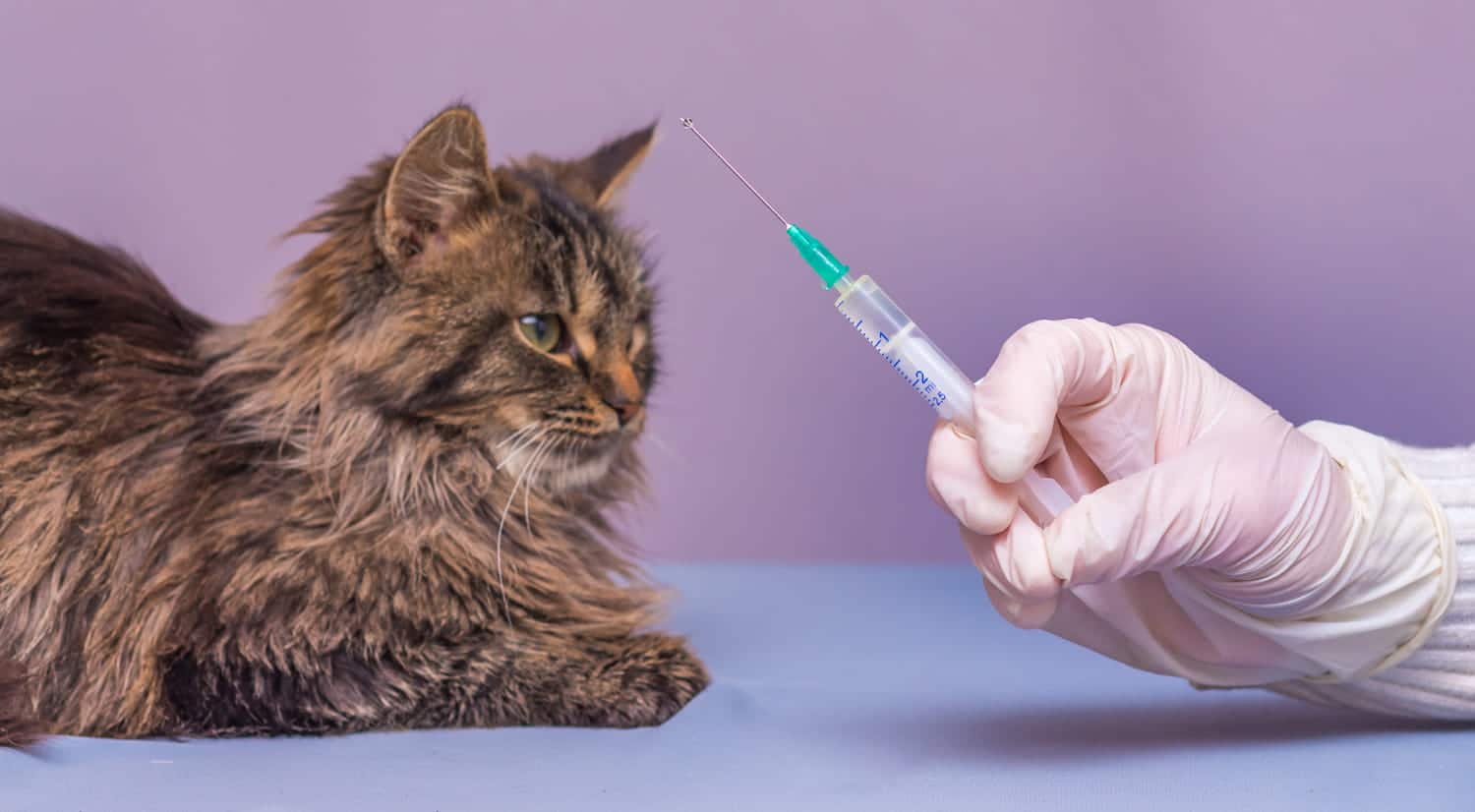
How to Prepare for Your Cat’s Vaccination Appointment
-
What to bring: Ensure you have a record of your cat’s previous vaccinations, any health concerns, and any medications they may be taking.
-
Comforting your cat: Make sure to bring your cat in a carrier, and provide a blanket or towel to keep them calm and secure during their visit.
-
Post-vaccination care: Follow your vet’s aftercare instructions closely to ensure your cat has a smooth recovery.
Vaccinating your cat is one of the most important things you can do to ensure their health and well-being. At Beach Avenue Animal Hospital, we offer a full range of vaccinations to keep your cat safe from preventable diseases. Whether you have a kitten or an adult cat, we will help create a tailored vaccination plan that suits your pet’s lifestyle.
Contact Beach Avenue Animal Hospital today to schedule your cat’s vaccination or to learn more about our vaccination services. We serve Vancouver, North Vancouver, and West Vancouver, and we’re here to ensure your cat lives a healthy and happy life.
FAQs
1) How often do indoor cats need vaccinations?
Indoor cats still need core vaccines like Rabies and FVRCP to protect against accidental exposure to disease.
2) Can my cat get sick from the vaccine?
Vaccines are generally safe, but some cats may experience mild side effects, such as lethargy or slight swelling.
3) What vaccines do kittens need?
Kittens need a series of vaccinations, starting with FVRCP, Rabies, and FeLV vaccines, given at 8, 12, and 16 weeks, followed by annual boosters.
4) Are vaccinations required by law for cats in Vancouver?
Yes, the Rabies vaccine is required by law for all cats in Vancouver.
5) Can I skip the Feline Leukemia vaccine for my indoor cat?
If your indoor cat has no exposure to other cats, you may not need the FeLV vaccine. However, it is still recommended for at-risk cats.