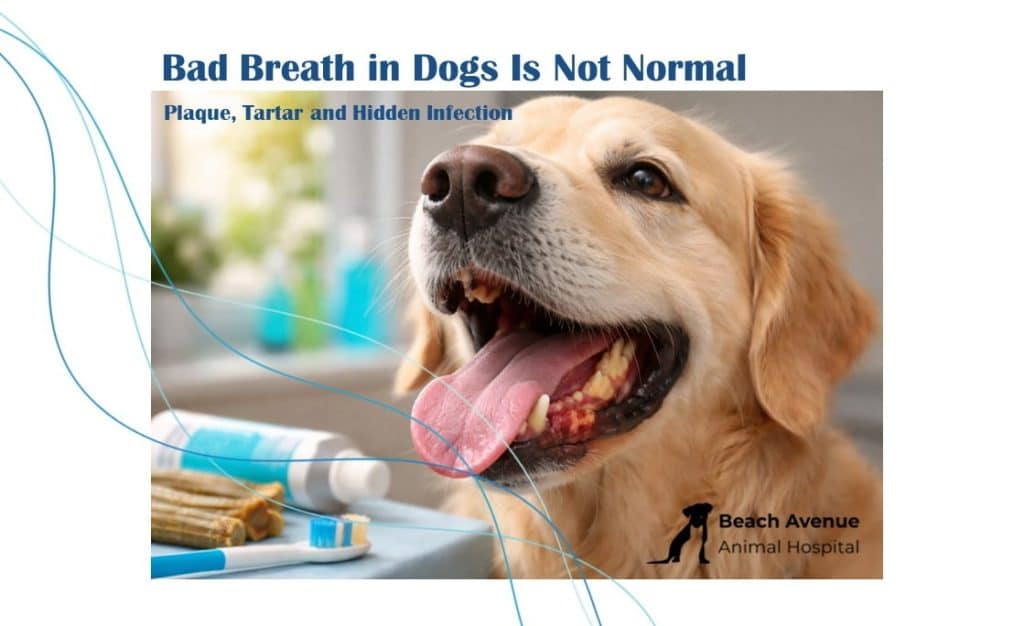
Many dog owners assume bad breath is just part of having a pet. It is not. Persistent bad breath in dogs is often one of the earliest warning signs of dental disease. What may seem like a minor odor can signal plaque buildup, tartar accumulation, gum inflammation or even deeper infection.
Understanding what causes bad breath and when it becomes a medical concern can help prevent pain, tooth loss and more serious health complications.
Why Do Dogs Get Bad Breath?
Occasional mild odor after eating is normal. However, persistent or worsening bad breath usually indicates bacterial buildup in the mouth.
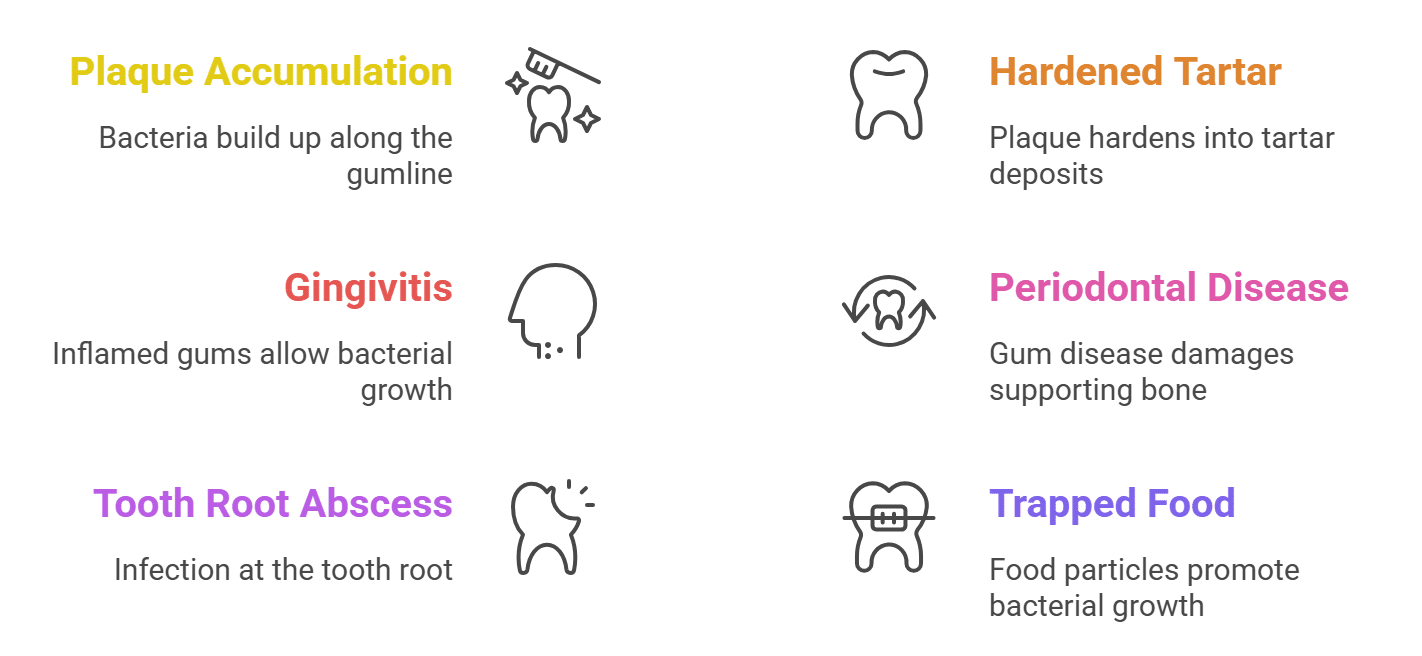
The most common causes include:
• Plaque accumulation along the gumline
• Hardened tartar deposits
• Gingivitis and inflamed gums
• Periodontal disease
• Tooth root abscess
• Food trapped between teeth
As bacteria multiply, they release compounds that produce strong odor. Over time, this bacterial activity can damage the gums and supporting bone structure.
For a detailed breakdown of how plaque hardens into tartar, see our guide on plaque and tartar in dogs.
Plaque and Tartar: The Root of the Problem
Plaque forms daily on your dog’s teeth. If not removed through brushing or chewing, it mineralizes and becomes tartar. Once tartar develops, it cannot be safely removed at home.
Tartar creates a rough surface that allows even more bacteria to attach. This cycle leads to gum inflammation, infection and eventual periodontal disease.
Bad breath is often the first sign that this process has begun.
When Bad Breath Signals Infection
If bad breath is accompanied by any of the following symptoms, dental disease may already be advanced:
• Red or bleeding gums
• Yellow or brown buildup on teeth
• Difficulty chewing
• Drooling
• Pawing at the mouth
• Facial swelling
• Loss of appetite
In severe cases, bacteria can enter the bloodstream and affect organs such as the heart, kidneys and liver. Early veterinary evaluation helps prevent these complications.
How Veterinarians Treat the Cause
A professional dental exam allows your veterinarian to assess the extent of plaque, tartar and gum disease. Dental cleaning under anesthesia includes:
• Scaling to remove hardened tartar
• Cleaning below the gumline
• Polishing to smooth tooth surfaces
• Evaluation for loose teeth or abscess
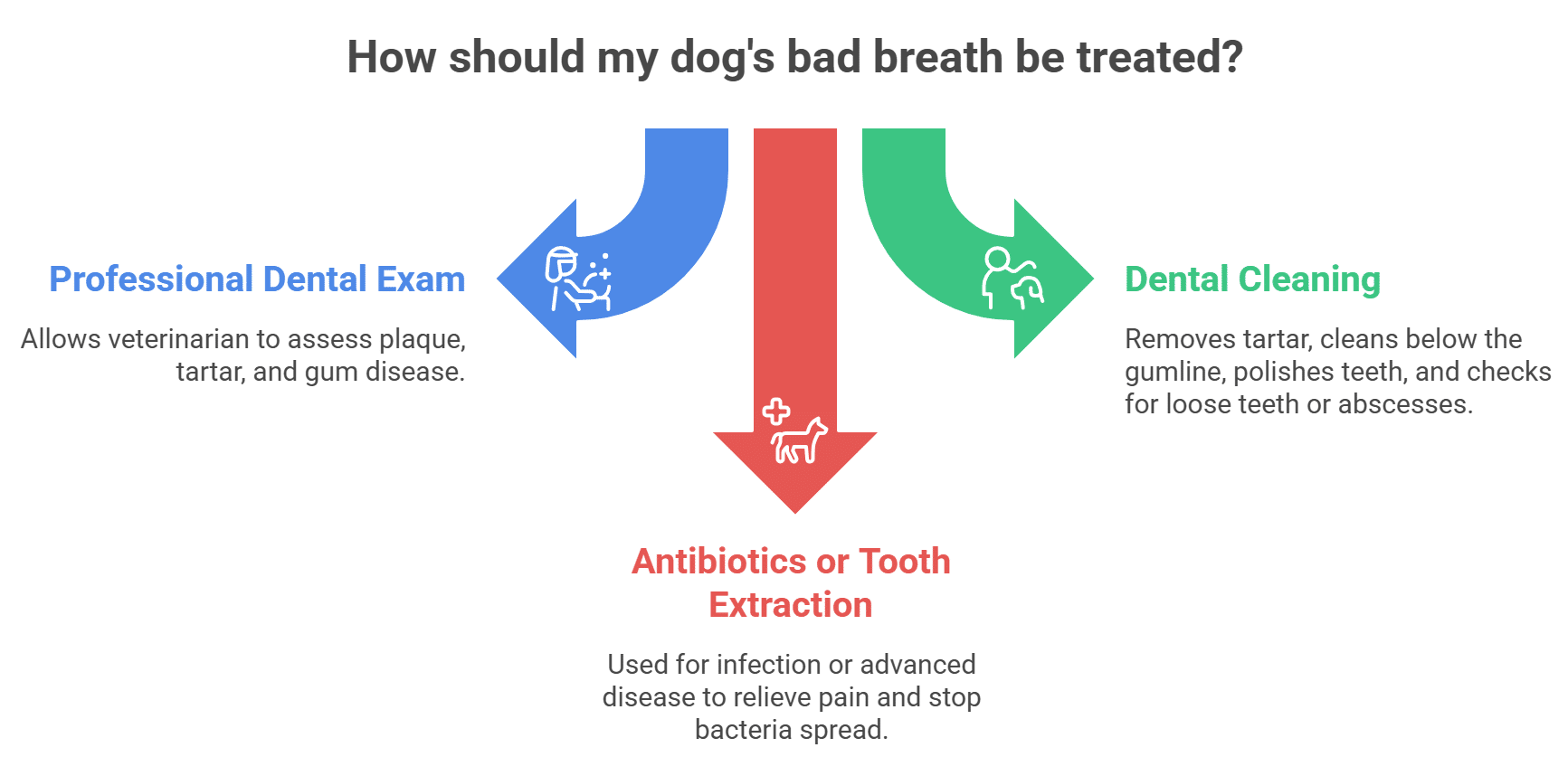
If infection or advanced disease is present, treatment may involve antibiotics or tooth extraction to relieve pain and stop the spread of bacteria.
Can You Fix Bad Breath at Home?
Daily brushing with dog-safe toothpaste can significantly reduce plaque buildup. However, once tartar has formed, brushing alone will not reverse it.
Dental chews and approved oral care products may slow plaque accumulation, but they do not replace professional dental cleaning. Attempting to scrape tartar yourself can damage enamel and injure the gums.
Preventive care works best when combined with regular veterinary dental exams.
How Often Should Dogs Have Dental Checkups?
Many dogs benefit from professional dental cleaning every one to two years. Small breeds and dogs with crowded teeth often require more frequent monitoring.
If you live in Vancouver and notice persistent bad breath in your dog, scheduling a dental exam can prevent more serious complications later.
When to Seek Immediate Veterinary Care
Seek prompt veterinary evaluation if bad breath is accompanied by:
• Sudden facial swelling
• Bleeding from the mouth
• Refusal to eat
• Severe lethargy
• Obvious pain when chewing
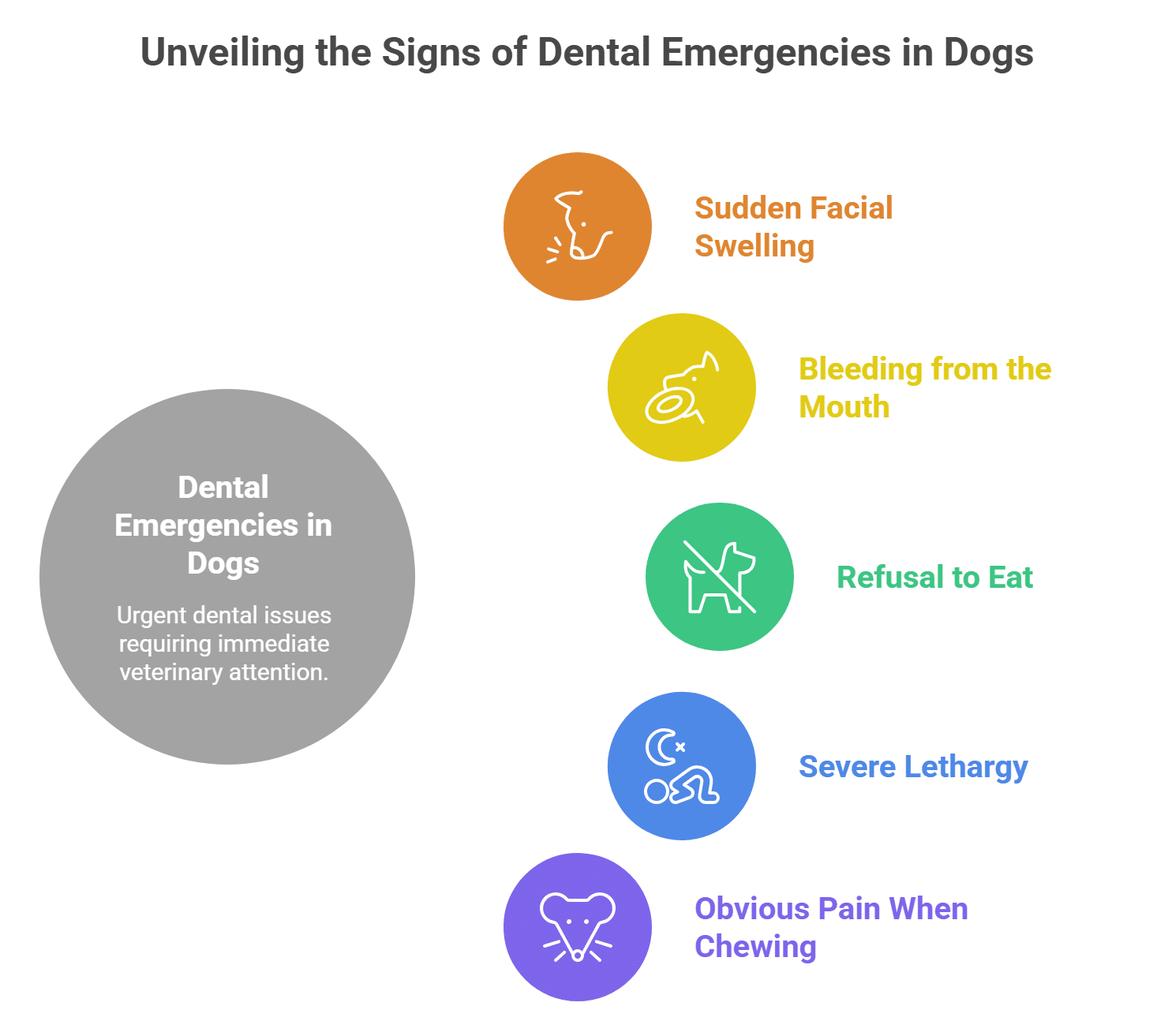
These signs may indicate infection or tooth root abscess that requires immediate treatment.
Prevention: The Best Long-Term Strategy
Consistent oral care reduces both odor and disease risk:
• Daily brushing
• Veterinary dental exams
• Professionally recommended dental diets
• Approved oral hygiene products
Early intervention is always safer and more affordable than treating advanced dental infection.
Frequently Asked Questions
Is bad breath in dogs always caused by dental disease?
Most persistent bad breath is related to plaque, tartar or gum infection. Less commonly, digestive or metabolic conditions may contribute, which is why veterinary evaluation is important.
Can bad breath mean my dog has an abscess?
Yes. A strong foul odor combined with swelling or pain can indicate a tooth root abscess that requires treatment.
At what age do dogs start developing dental problems?
Plaque can begin forming as early as two to three years of age, especially in small breeds.
Does dry kibble prevent bad breath?
Certain dental diets may help reduce plaque mechanically, but they do not eliminate the need for brushing or professional cleaning.
Can dental disease shorten a dog’s lifespan?
Untreated periodontal disease can affect major organs over time, which is why early treatment is important.