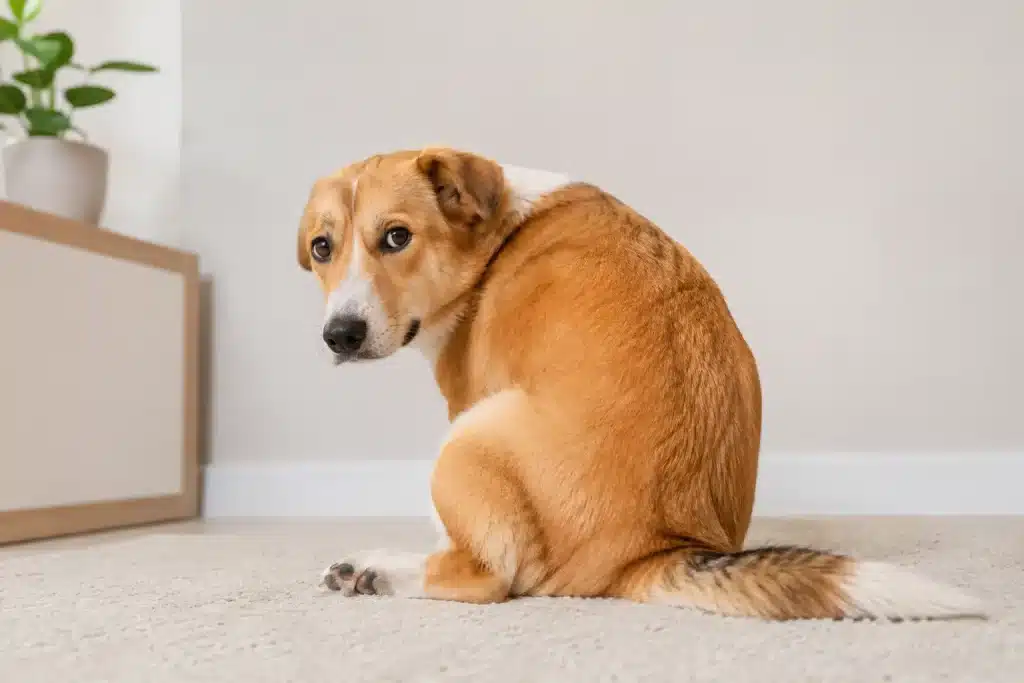
Scooting, or dragging the rear along the ground, is a behavior many dog owners notice at some point. While it may seem harmless or even humorous, it often indicates discomfort or irritation in your dog’s anal region. Understanding the causes of scooting and knowing when to seek veterinary care is crucial for maintaining your dog’s health and comfort.
Scooting can be a sign of a minor irritation, but it can also indicate more serious issues such as anal gland problems, infections, or underlying medical conditions that require attention.
Video Resource
What Is Scooting?
Scooting is when a dog drags its rear end along the ground. This behavior can be brief and occasional or persistent and frequent. Scooting is usually a response to discomfort in the anal area, but it is not a disease itself. Instead, it is a symptom that something may be causing irritation or pressure in the anal glands or surrounding tissues.
While occasional scooting might not be concerning, frequent or persistent scooting warrants evaluation. Dogs cannot verbally communicate discomfort, so behavioral signs like scooting become important indicators of potential health issues.
The Most Common Cause: Anal Gland Issues
Dogs have anal glands located on either side of the anus. These glands normally empty during bowel movements. If they do not empty properly, the glands can become:
- Impacted
- Inflamed
- Infected
When anal glands are full or infected, dogs experience pressure, irritation, and sometimes pain. Scooting is a common way for dogs to try to relieve this discomfort. In some cases, anal glands may need to be expressed manually by a veterinarian. Regular monitoring and veterinary check-ups can help prevent chronic anal gland problems.
Other Causes of Scooting
While anal gland issues are the most frequent cause of scooting, other factors can contribute to this behavior:
1. Skin Irritation Due to Allergies
Dogs with food or environmental allergies may experience itchy skin around the rear end. Allergic reactions can cause inflammation, redness, and discomfort that triggers scooting. Identifying and managing allergies is an important step to relieve irritation and prevent recurring scooting.
2. Parasites
Intestinal parasites, such as tapeworms or roundworms, can irritate the anal area. Scooting may be a response to this irritation. Routine deworming and preventive care can help reduce parasite-related scooting.
3. Hygiene Issues
Poor grooming, hair matting, or residue from stool can cause discomfort in the anal region. Regular grooming and cleaning can reduce irritation and prevent scooting behavior caused by hygiene issues.
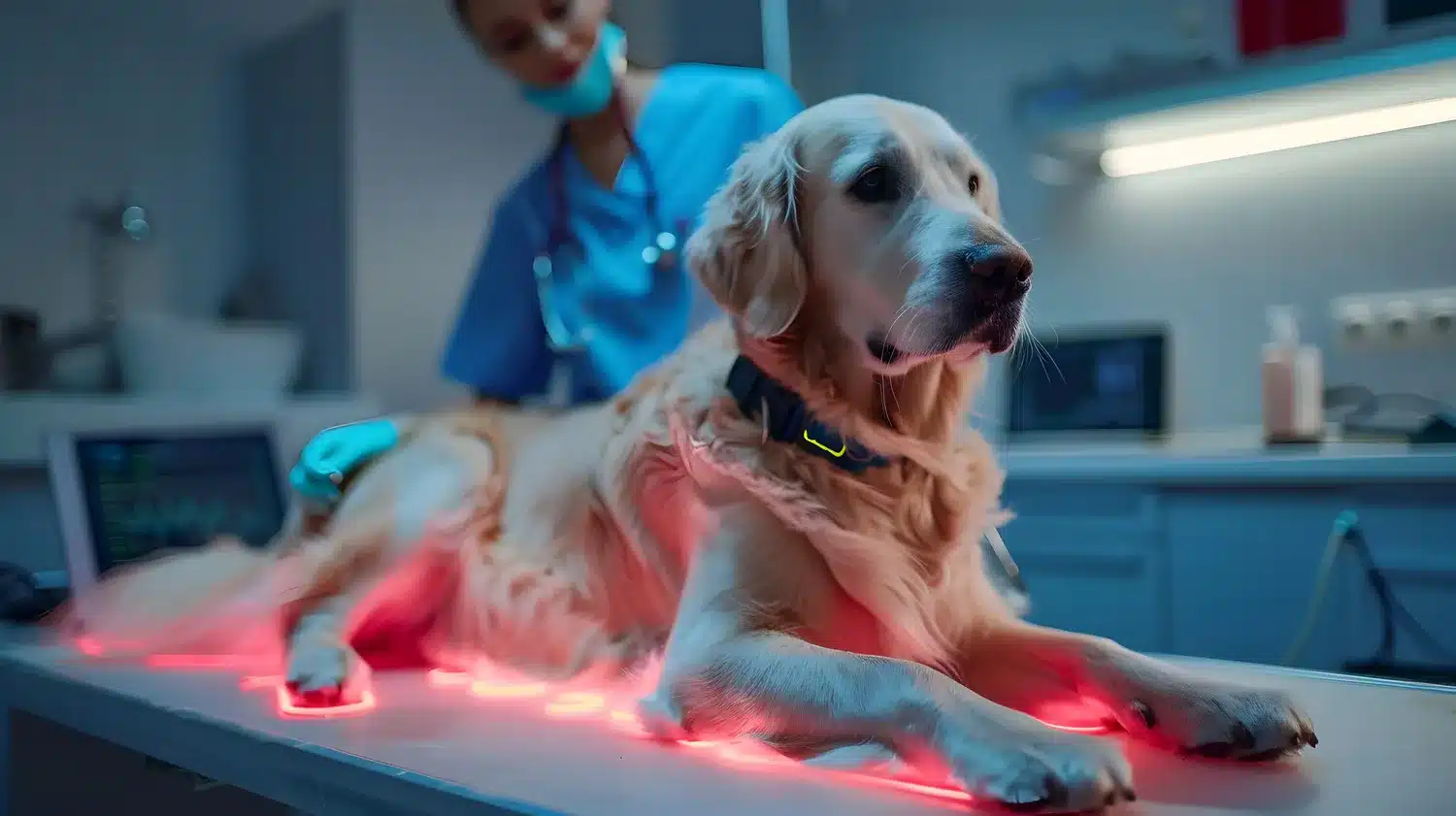
When Should You See a Veterinarian?
Seek veterinary care if:
- Scooting occurs frequently or becomes persistent
- Your dog licks the area excessively
- Redness, swelling, or inflammation is present
- There is a strong or unusual odor
Early evaluation by a veterinarian ensures that potential anal gland problems, infections, or other underlying causes are identified and treated promptly. Ignoring persistent scooting can lead to further complications, discomfort, or infections.
What Happens If It Is Not Treated?
Untreated anal gland problems can progress to more serious conditions:
- Infection: Bacterial growth in blocked glands can lead to significant discomfort.
- Abscess formation: Severe swelling or accumulation of pus may occur.
- Rupture: In extreme cases, the anal gland can rupture, requiring surgical intervention.
Early treatment prevents these complications and ensures your dog remains comfortable.
How Is Scooting Treated?
Treatment depends on the underlying cause:
- Anal gland expression: Manual or veterinary-assisted emptying of impacted glands
- Infection management: Antibiotics or anti-inflammatory medications if infection is present
- Allergy management: Dietary adjustments, medications, or environmental changes
- Parasite control: Deworming and preventive care for worms and other parasites
- Improved hygiene: Regular grooming and cleaning to prevent irritation
With appropriate treatment, most dogs experience relief quickly and return to normal behavior.
FAQ
Is scooting always caused by anal glands?
Most commonly, yes. However, other causes such as parasites, allergies, or hygiene issues should always be considered.
Can I express my dog’s anal glands at home?
It is not recommended without proper training. Improper expression can cause injury or infection. Always consult a veterinarian for guidance.
Is scooting painful?
Scooting can indicate discomfort or irritation. The degree of pain varies, but untreated anal gland problems can become painful over time.
How can I prevent my dog from scooting?
- Maintain regular veterinary check-ups
- Monitor for parasites and treat as needed
- Groom your dog regularly, especially around the rear
- Address allergies and dietary sensitivities with guidance from your veterinarian
If scooting is frequent or associated with swelling, odor, or excessive licking, your dog should be examined promptly. Early evaluation and treatment by the experienced team at Beach Avenue Animal Hospital ensures your dog’s comfort and prevents complications.