Signs Your Dog Needs Teeth Cleaning
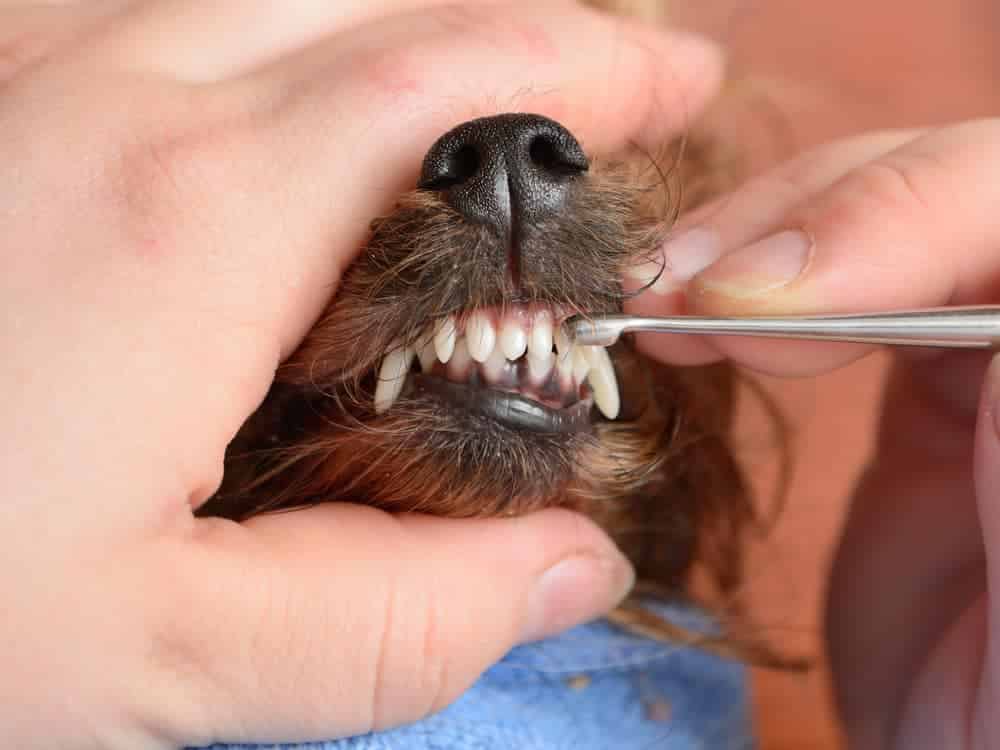
If you’re wondering whether your dog needs professional teeth cleaning, this guide will help you identify the warning signs and understand why timely dental care is essential.
Why Dog Dental Health Matters
Just like humans, dogs can develop plaque, tartar, gum disease, and infections. Without proper care, these issues can lead to pain, tooth loss, and even systemic health problems affecting the heart, liver, and kidneys.
Regular pet dental care is essential to prevent serious complications and ensure your dog stays healthy and comfortable.
1. Persistent Bad Breath (Halitosis)
While “dog breath” is common, extremely foul-smelling breath is not normal. Persistent bad breath is often one of the earliest signs of dental disease in dogs.
This odor is typically caused by bacteria buildup, plaque, and tartar accumulation. If your dog’s breath smells unusually strong, it may be time to schedule a professional dental cleaning.
2. Yellow or Brown Tartar Buildup
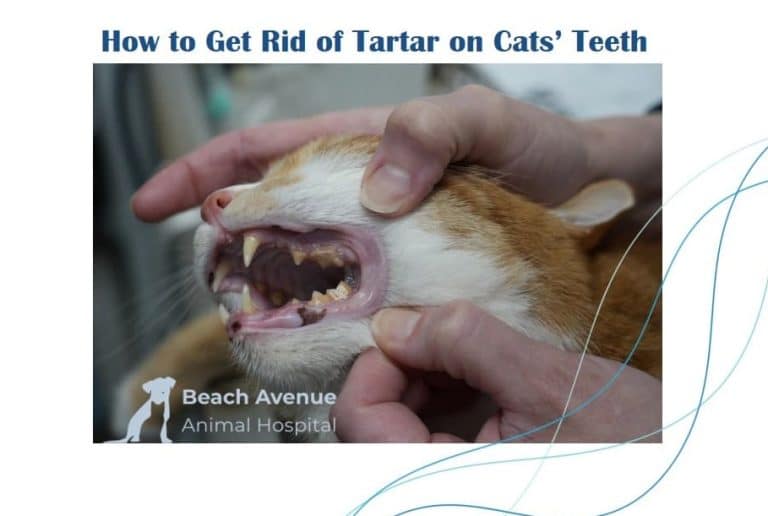
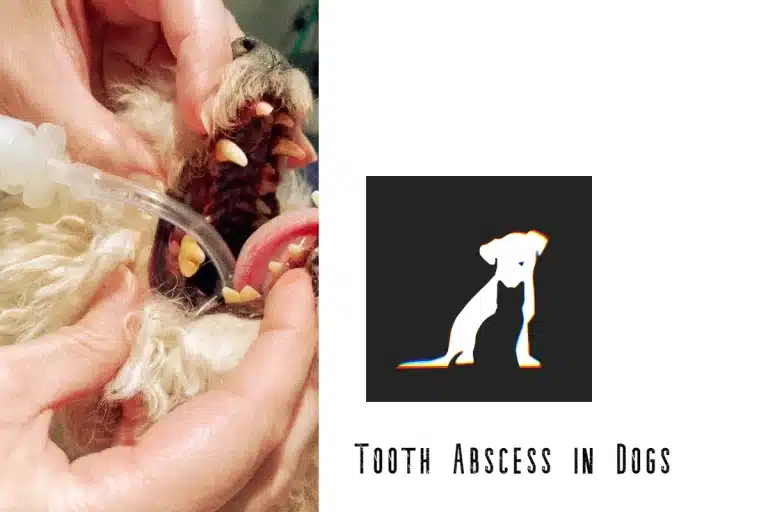
Visible tartar along the gumline is a clear indication that your dog needs dental attention. Tartar forms when plaque hardens on the teeth, creating a rough surface that traps bacteria.
Professional cleaning is the only way to safely remove hardened tartar and restore your dog’s oral health.
3. Red, Swollen, or Bleeding Gums
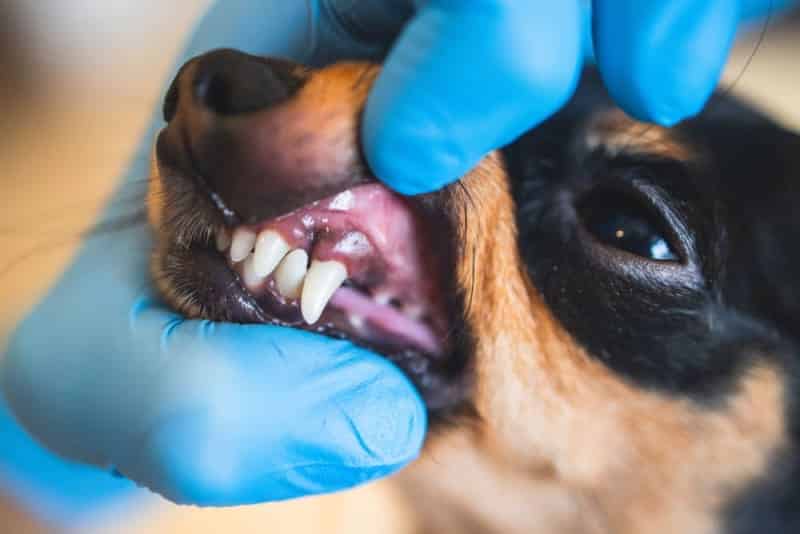
Healthy gums should be pink and firm. If you notice redness, swelling, or bleeding, your dog may be suffering from gingivitis or periodontal disease.
Left untreated, gum disease can progress quickly and lead to tooth loss and infections.
4. Difficulty Eating or Chewing
If your dog suddenly avoids hard food, chews on one side, or drops food while eating, it may be experiencing dental pain.
Dental discomfort often goes unnoticed because dogs instinctively hide pain. Behavioral changes around eating are a major red flag.
5. Excessive Drooling
While some breeds drool naturally, excessive or sudden drooling can indicate oral pain or infection.
This symptom is often associated with advanced dental disease and should be evaluated promptly.
6. Loose or Missing Teeth
Adult dogs should not have loose teeth. If you notice mobility or missing teeth, it’s a sign of severe periodontal disease.
Immediate veterinary care is necessary to prevent further complications.
7. Pawing at the Mouth or Face
Dogs experiencing oral discomfort may paw at their mouth or rub their face against furniture or the floor.
This behavior often indicates irritation, pain, or infection in the mouth.
8. Visible Signs of Infection
In advanced cases, you may notice pus, swelling around the jaw, or abscesses. These are serious conditions that require urgent veterinary treatment.
If you observe any of these symptoms, contact a trusted animal hospital in Vancouver immediately.
What Happens During a Professional Dog Teeth Cleaning?
At Beach Avenue Animal Hospital, professional dental cleaning includes:
- Comprehensive oral examination
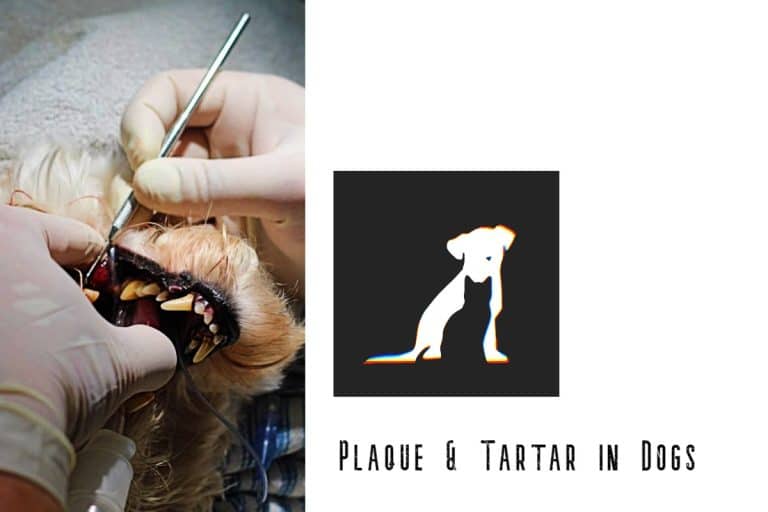
- Removal of plaque and tartar (scaling)
- Polishing to prevent future buildup
- Dental X-rays if needed
- Treatment of any underlying issues
Regular cleanings not only improve oral health but also prevent costly treatments down the road.
How Often Should Dogs Get Their Teeth Cleaned?
Most dogs benefit from professional dental cleaning once a year, but some may require more frequent care depending on breed, age, and oral health.
Routine preventive veterinary care plays a crucial role in maintaining your dog’s dental health.
How to Prevent Dental Problems in Dogs
Prevention is always better than treatment. Here are some effective ways to maintain your dog’s oral hygiene:
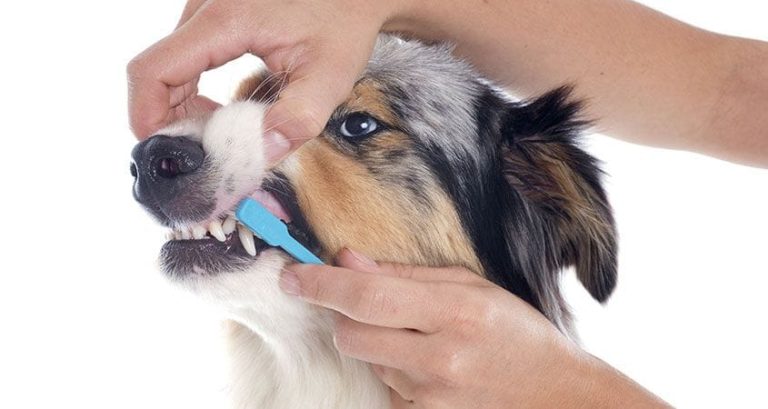
- Brush your dog’s teeth regularly
- Use dental chews and toys
- Provide a balanced diet
- Schedule regular veterinary checkups
- Monitor for early signs of dental issues
When to Visit a Vet for Dog Teeth Cleaning
If your dog shows any of the signs mentioned above, don’t wait. Early treatment can prevent pain, infections, and serious health complications.
At Beach Avenue Animal Hospital, our experienced team provides gentle and effective dental care to keep your pet healthy and happy.
Conclusion
Dental disease in dogs is common but preventable. Recognizing the warning signs early and scheduling timely cleanings can significantly improve your dog’s quality of life.
If you’re unsure about your dog’s dental health, book an appointment with a trusted veterinarian in Vancouver today.
FAQs
How do I know if my dog needs teeth cleaning?
Common signs include bad breath, tartar buildup, red gums, difficulty eating, and excessive drooling.
Is dog teeth cleaning safe?
Yes, professional dental cleaning performed by a veterinarian is safe and essential for maintaining oral health.
Can I clean my dog’s teeth at home?
Brushing helps, but it cannot replace professional cleaning, especially when tartar has already formed.
How much does dog teeth cleaning cost?
The cost varies depending on your dog’s condition and treatment needs. Contact your local veterinary clinic for an estimate.
What happens if I don’t clean my dog’s teeth?
Untreated dental disease can lead to pain, infections, tooth loss, and even organ damage.