Plaque and tartar buildup in dogs may start quietly, but untreated dental disease can lead to pain, infection and long term health complications. If you notice bad breath, yellow buildup on the teeth or red, swollen gums, these may be early warning signs that your dog’s oral health needs attention. Understanding how plaque turns into tartar and when professional dental care becomes necessary can protect your dog from avoidable discomfort.
What is Plaque & Tartar in Dogs?
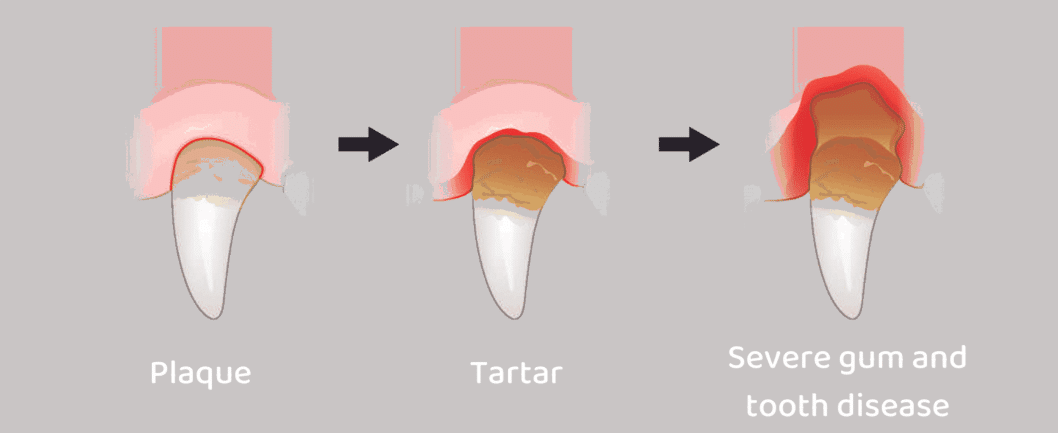
Plaque is a soft, sticky biofilm made of bacteria and food particles that forms on your dog’s teeth every day. If plaque is not removed through brushing or chewing, it hardens and becomes tartar. Tartar is a rough, yellow or brown mineralized deposit that clings tightly to the teeth and gumline. Unlike plaque, tartar cannot be safely removed at home and requires professional cleaning by a veterinarian.
Tartar vs. Plaque in Dogs (With Pictures)
Visual Comparison: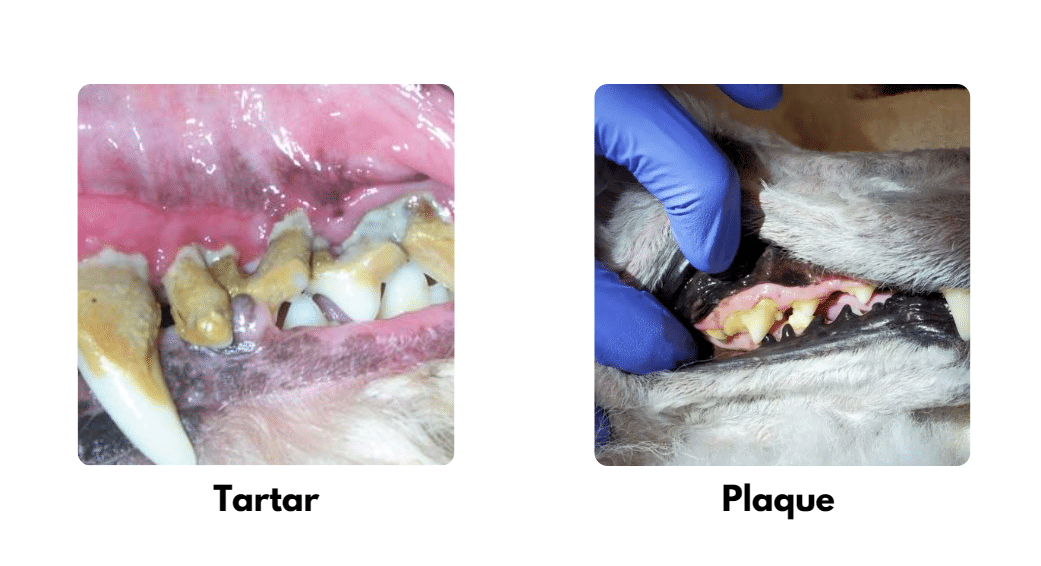
Plaque
-
Soft, thin film on the tooth surface
-
Often colorless or pale yellow
-
Can be removed with brushing
Tartar
-
Hardened, mineralized plaque
-
Yellow or brown discoloration
-
Requires professional scaling
If you gently run your finger across your dog’s teeth and feel a rough surface or notice visible discoloration, tartar may already be present.
The Stages of Dental Disease in Dogs
Dental disease progresses gradually, often without obvious pain at first.
Stage 1: Plaque Accumulation
Plaque forms daily along the gumline without visible inflammation.
Stage 2: Tartar and Gingivitis
Hardened tartar develops and the gums become red or mildly inflamed.
Stage 3: Early Periodontal Disease
Gum recession begins, bacteria spread below the gumline, and deeper tissue damage starts.
Stage 4: Advanced Periodontal Disease
Severe infection, loose teeth, bone loss and potential systemic health risks may occur.
Many Vancouver pet owners are surprised to learn that dental disease often advances for months before obvious symptoms appear.
Causes of Plaque and Tartar Build-up
- Diet: Dogs that eat wet food are more prone to plaque buildup because it sticks to their teeth. Dry kibble, particularly specially formulated dental diets, helps reduce plaque by mechanically scrubbing teeth. Providing raw bones or dental chews can also help keep teeth clean.
- Lack of Dental Care: Without regular brushing, plaque hardens into tartar, which leads to gum disease and tooth decay. Dental treats and enzymatic wipes can help but are not a substitute for brushing.
- Breed & Genetics: Small breeds and brachycephalic (flat-faced) dogs like Pugs and Bulldogs are more prone to dental issues due to crowded teeth that trap food particles and plaque.
- Age & Saliva Composition: Older dogs produce more plaque because their metabolism slows down, and changes in saliva composition make their mouths more prone to bacterial buildup.
Symptoms of Plaque and Tartar in Dogs
Early Signs
-
Yellow or brown buildup on teeth
-
Mild bad breath
Moderate Signs
-
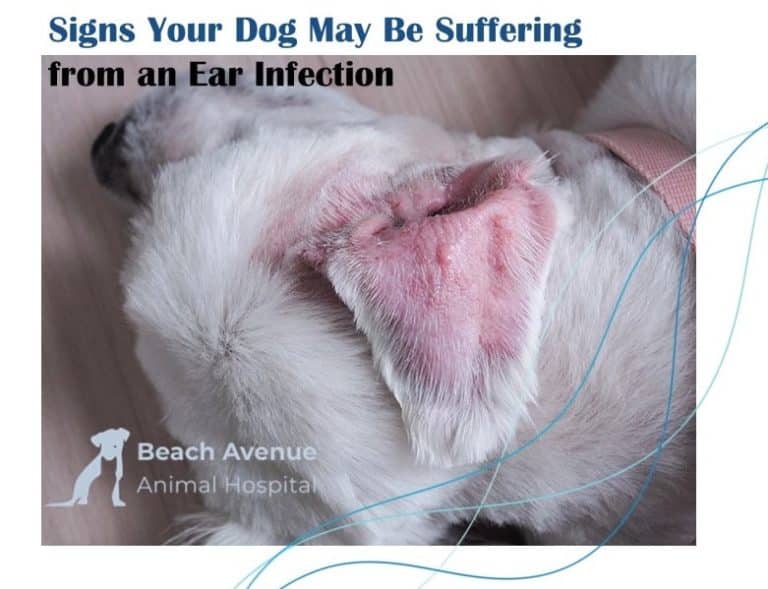
Red or swollen gums
-
Increased odor
-
Sensitivity when chewing
Advanced Signs
-
Bleeding gums
-
Loose teeth
-
Loss of appetite
-
Facial swelling
-
Excessive drooling
Health Risks of Untreated Plaque and Tartar
Ignoring dental care can lead to:
- Bad Breath (Halitosis): Caused by bacteria in plaque and tartar.
- Gingivitis & Periodontal Disease: Infection of the gums and surrounding structures.
- Tooth Loss & Pain: Severe tartar can loosen teeth and cause discomfort.
- Systemic Health Risks: Bacteria from infected gums can enter the bloodstream, affecting the heart, kidneys, and liver.
When Dental Disease Becomes Urgent
If your dog develops facial swelling, difficulty eating, pawing at the mouth, bleeding gums or severe persistent bad breath, infection may already be advanced. In some cases, bacteria can spread beyond the mouth. Prompt veterinary evaluation helps prevent complications and reduces long term risk.
Can You Remove Tartar From Your Dog’s Teeth at Home?
Daily brushing with a dog-safe toothbrush and enzymatic toothpaste can slow plaque accumulation. However, once plaque hardens into tartar, it cannot be safely removed at home. Attempting to scrape tartar yourself may injure the gums or damage enamel. Professional cleaning allows a veterinarian to examine the entire mouth, including areas below the gumline where hidden infection develops.
Dental chews and approved oral care products may help reduce plaque buildup, but they do not replace brushing or professional dental care.
Cost of Professional Dog Dental Cleaning
The cost of professional dog dental cleaning varies depending on your dog’s size, age and the severity of dental disease. Preventive cleaning under anesthesia is generally more affordable than treating advanced periodontal infection that requires extractions or medication. Early intervention reduces both health risks and long term treatment costs.
If your dog is showing signs of tartar buildup, schedule a professional dog dental cleaning at Beach Avenue Animal Hospital in Vancouver. Our veterinary team provides thorough dental evaluation and treatment to protect your pet’s long term oral health.
Prevention Strategies
-
Daily brushing with dog-safe toothpaste
-
Veterinary dental exams
-
Professionally recommended dental diets
-
Approved oral hygiene products
Consistent preventive care is the most effective way to stop plaque from progressing into painful dental disease.
How to Remove Plaque and Tartar from Your Dog’s Teeth
Professional Cleaning
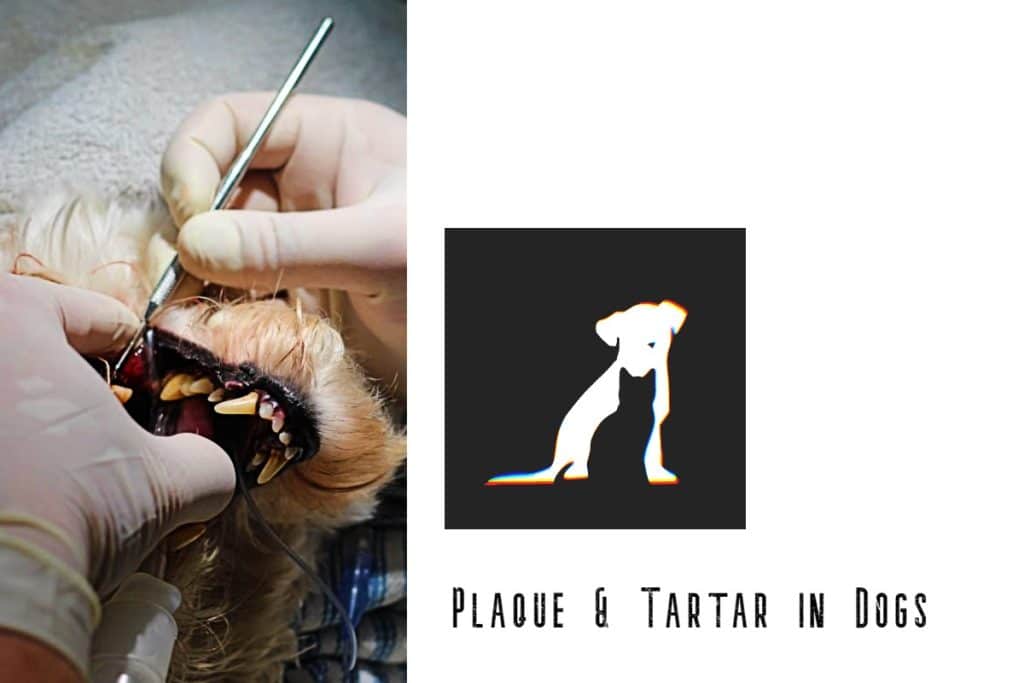
A licensed veterinarian (DVM) performs a thorough dental cleaning under anesthesia. This includes scaling to remove hardened tartar and deep-set plaque, followed by polishing to smooth the teeth and prevent further buildup. In severe cases, extractions may be necessary to prevent infection and pain.
If your dog is showing signs of tartar buildup, don’t wait for complications. Book a professional dog dental cleaning at BAAH Veterinary Clinic in Vancouver to ensure your pet’s oral health is in top shape. Our expert team is here to help.
At-Home Dental Care for Your Dog
Taking care of your dog’s teeth at home can prevent plaque buildup and reduce tartar formation. Here’s what you can do:
- Daily Brushing: Use a soft-bristled toothbrush and enzymatic dog toothpaste to remove plaque before it turns into tartar.
- Dental Wipes & Sprays: These can help reduce plaque buildup between brushings.
- Dental Chews & Toys: Specially designed chews and rubber toys help scrape plaque from teeth naturally.
- Water Additives & Oral Gels: These products contain enzymes or antiseptics that break down bacteria and reduce tartar formation.
If your dog has red, swollen gums, bad breath, visible tartar, or difficulty eating, it’s time to schedule a professional dental exam with your vet.
[Read More: How Often Should You Brush Your Dog’s Teeth? ]
Conclusion
Regular dental care is essential for your dog’s health. Brushing, using dental chews, and scheduling vet cleanings can prevent plaque from turning into tartar. Keep your dog’s teeth clean, and they’ll stay happy and healthy for years to come.
Frequently Asked Questions About Plaque and Tartar in Dogs
How often should dogs receive professional dental cleaning?
Many dogs benefit from professional cleaning every one to two years, though frequency varies by breed and individual risk factors.
Is bad breath normal in dogs?
Persistent bad breath is commonly an early sign of dental disease rather than a normal condition.
Can dental disease affect overall health?
Yes. Bacteria from chronic gum infection may impact major organs over time.
How long does professional dental cleaning take?
The procedure typically requires several hours, including anesthesia, scaling, polishing and recovery monitoring.
Is anesthesia safe for dental cleaning?
When performed under veterinary supervision with proper monitoring, anesthesia is considered safe and allows thorough cleaning below the gumline.
How do I know if my dog needs dental treatment?
Visible tartar, red gums, bleeding, difficulty eating or facial swelling are strong indicators that veterinary care is needed.